Savannah
46 historic pictures in the Savannah collection, part of Cities. Each one can be ordered as a print or licensed, and the collection is a starting point for telling stories about the past.
Open the interactive boardJames Oglethorpe laid out Savannah in 1733 on a plan of wards, each built around a public square. Twenty-four were made and twenty-two survive. It is the oldest planned city grid in the United States still functioning as designed, and it means that walking six blocks in Savannah involves passing through five parks.
Photographs of the squares from the 1880s and 1890s show them already mature — live oaks with Spanish moss, monuments, benches, and the houses facing inward. That the plan worked is obvious in the images long before anyone wrote it up as urban theory.
Cotton is the other subject. Factors Walk runs along the bluff above the river, and the cotton factors — brokers — worked from offices there with iron walkways bridging to the buildings behind. Below, on River Street, the warehouses opened directly onto the wharves. The Savannah Cotton Exchange set world prices for a period in the 1880s.
The photographs of the riverfront show bales stacked in numbers that are difficult to take in, and the ships that carried them. The boll weevil ended it in the 1920s.
Sherman reached Savannah in December 1864 at the end of the March to the Sea and did not burn it, which is the reason so much of the eighteenth and nineteenth-century fabric survives to be photographed. He telegraphed Lincoln offering the city as a Christmas gift.
Bonaventure Cemetery appears in the archive too — a burial ground on a former plantation east of the city, with avenues of oaks. It was photographed extensively long before it became famous through a book, and the earlier images are quieter and better.
Around twelve hundred and sixty images in the archive name Savannah, which places it well ahead of cities several times its size.
The College, the Green and the Carriage Trade
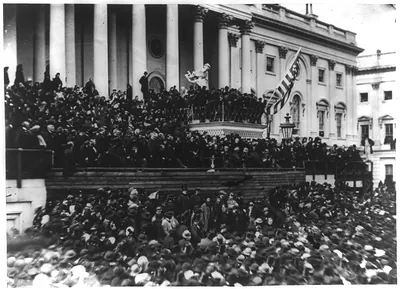 Gen's. R.E. Lee and J.E. Johnston / D.J. Ryan, Savannah, Ga. ([1870])
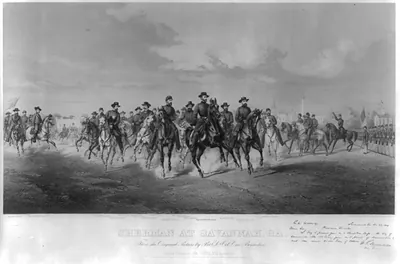 Sherman at Savannah, Ga. ([no date recorded on)
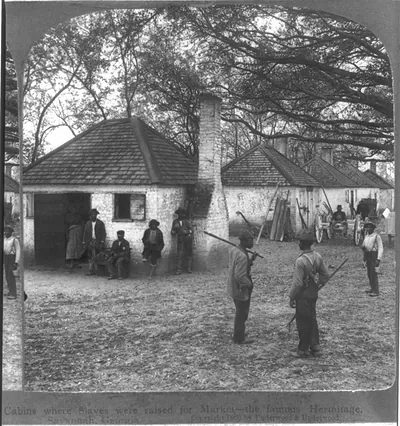 Cabins where slaves were raised for market--The famous Hermitage, Savannah, Georgia (New York : Underwood)
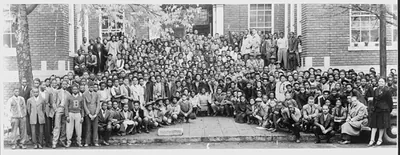 Newly organized Youth Council of Savannah, Ga. ([between 1940 and 19)
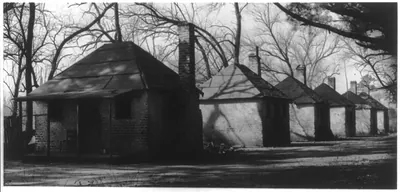 Slave houses on Hermitage" plantation Georgia"
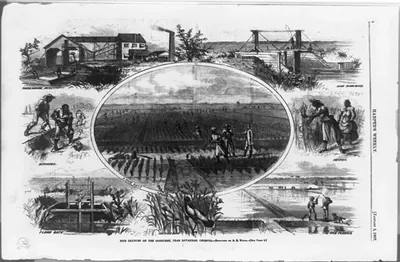 Rice culture on the Ogeechee, near Savannah, Georgia / sketched by A.R. Waud. (1867)
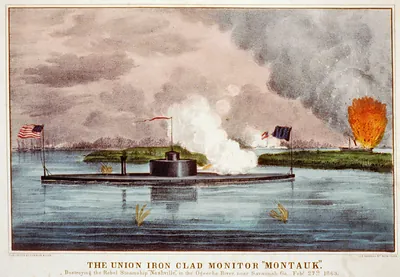 The Union iron clad monitor Montauk": destroying the Rebel steamship "Nashville in the Oge
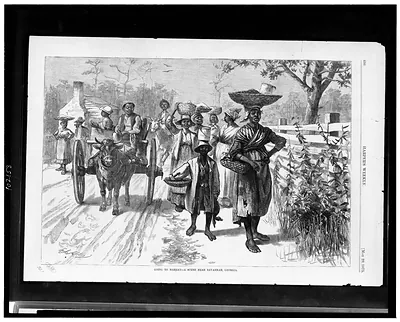 Going to market--a scene near Savannah, Georgia / E.A. Abbey. (published 1875.)
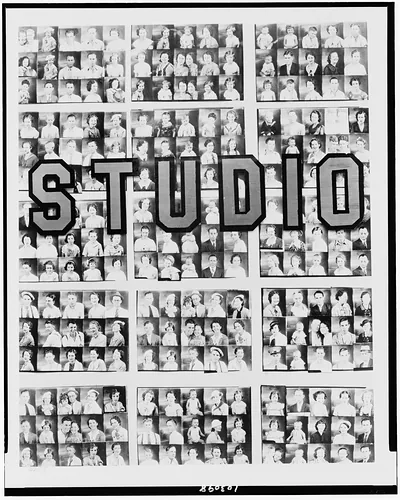 Penny picture displays, Savannah / Walker Evans. (1936, [printed 1974?)
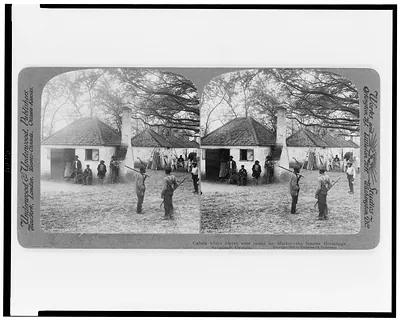 Cabins where slaves were raised for market--The famous Hermitage, Savannah, Georgia (New York : Underwood)
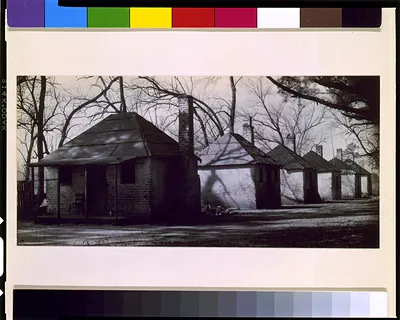 Historic Photo Print - Savannah - Slave houses on Hermitage plantation (2)
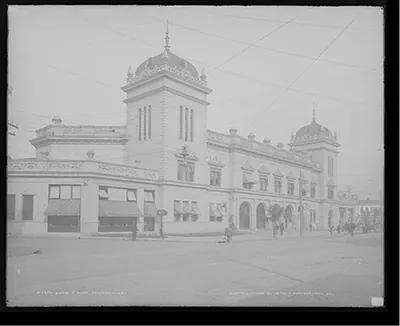 Union Station, Savannah, Ga. (c1904.)
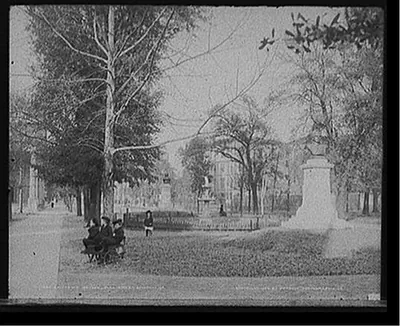 Chippewa Square, Bull Street, Savannah, Ga. (c1904.)
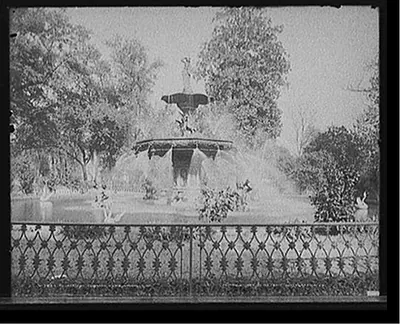 Fountain in Forsyth Park, Savannah, Ga. (c1904.)
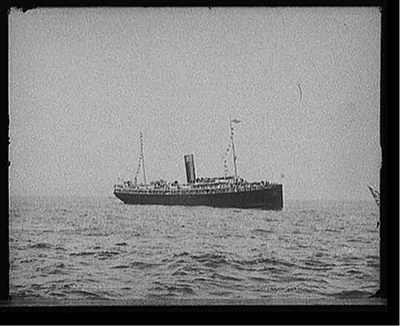 S.S. City of Savannah ([between 1907 and 19)
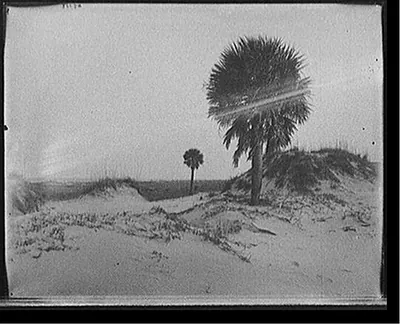 [Palmettoes on Tybee Island, Savannah, Ga.] ([between 1895 and 19)
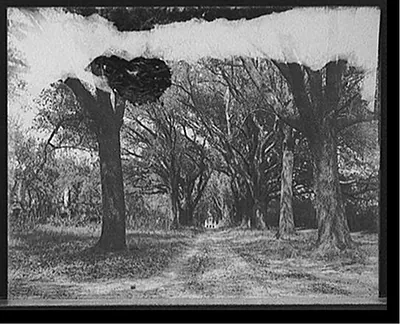 [The Hermitage, Oak Avenue, Savannah, Ga.] ([1907?])
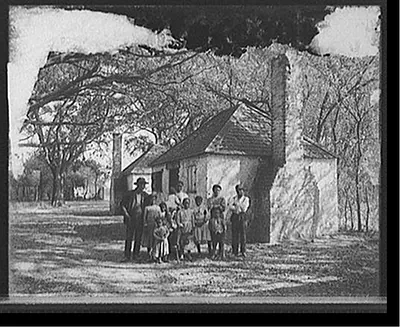 [The Whole black family at the Hermitage, Savannah, Ga.] ([1907?])
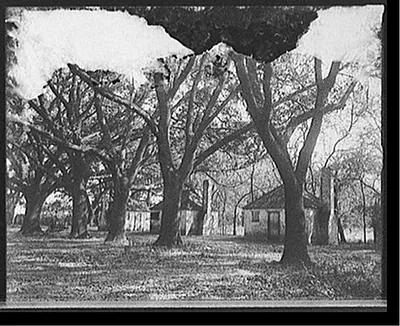 [The Hermitage, slave quarters, Savannah, Ga.] ([1907?])
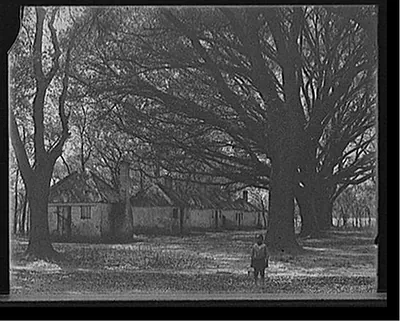 The Hermitage, slave quarters, Savannah, Ga. ([between 1900 and 19)
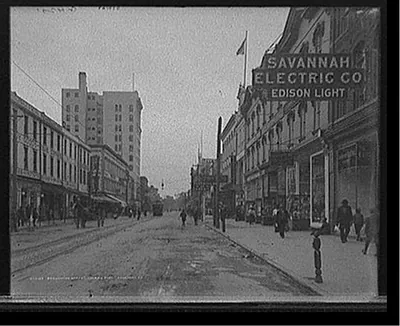 Broughton Street, looking east, Savannah, Ga. ([between 1900 and 19)
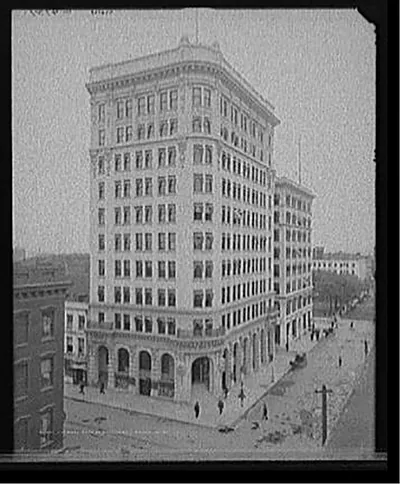 National Bank of Savannah, Savannah, Ga. (c1907.)
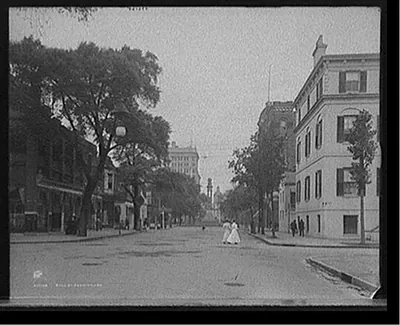 Bull St. [Street], Savannah, Ga. (c1907.)
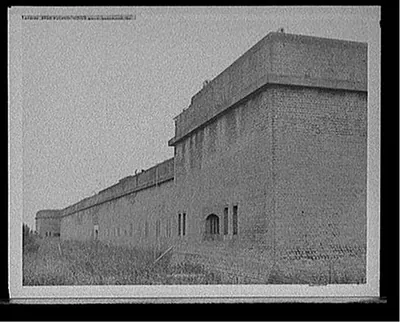 Fort Pulaski, outer wall, Savannah, Ga. ([between 1890 and 19)
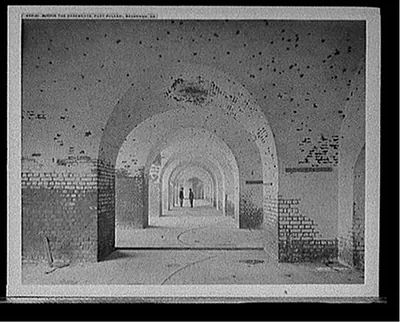 Within the casements, Fort Pulaski, Savannah, Ga. (c[1907])
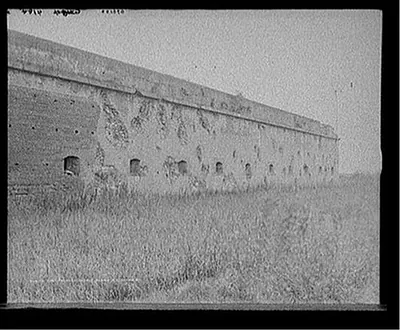 Fort Pulaski battle scars, Savannah, Ga. ([between 1900 and 19)
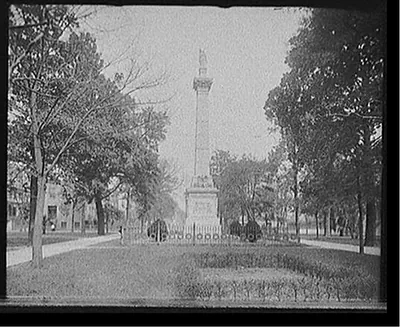 [Pulaski Monument and Monterey Square, Savannah, Ga.] ([between 1900 and 19)
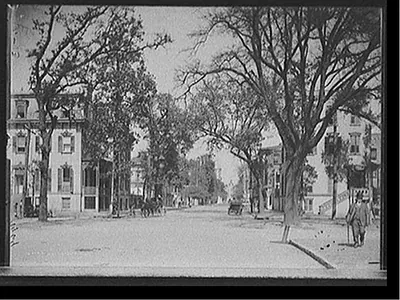 Bull St. [Street], Savannah, Ga. (c1906.)
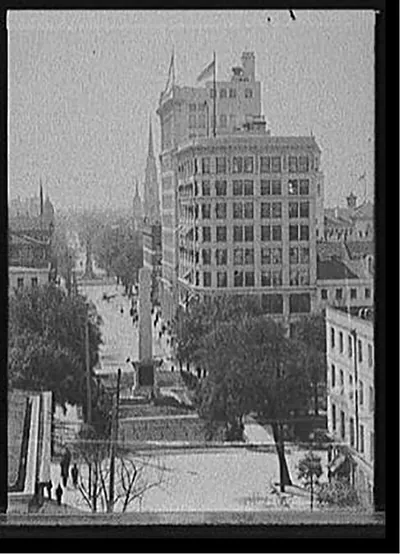 Bull St. [Street], Savannah, Ga. (c1906.)
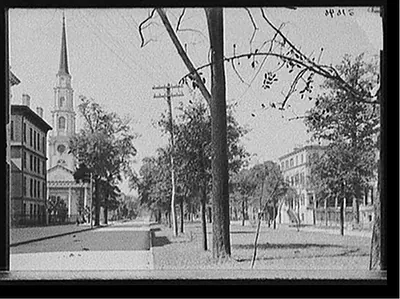 [Independent Presbyterian Church, Savannah, Georgia] ([between 1900 and 19)
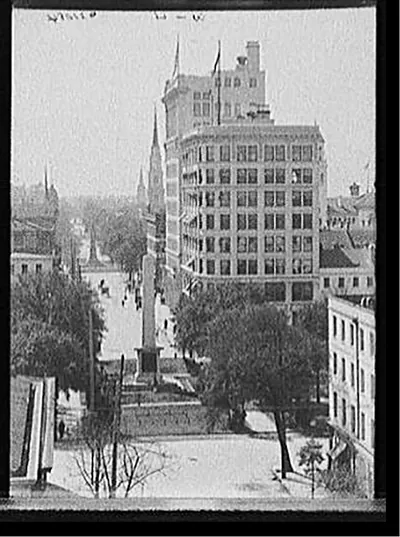 [Bull Street, Savannah, Ga.] ([between 1900 and 19)
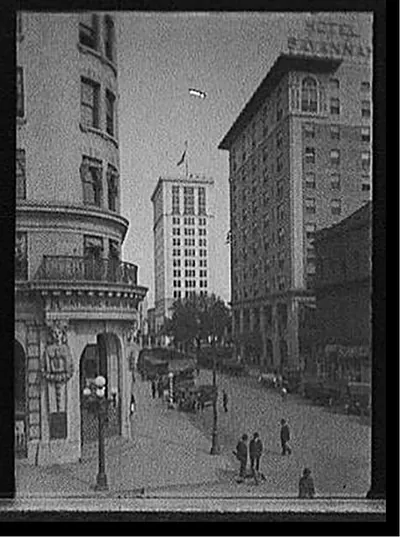 [Savannah, Ga.] ([between 1900 and 19)
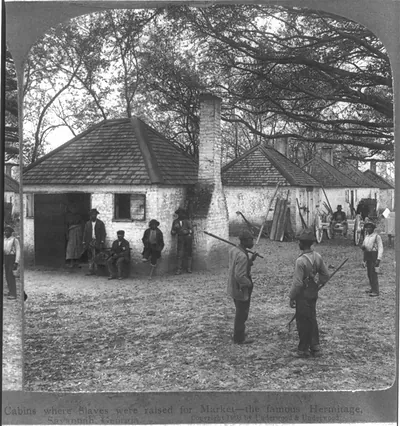 Cabins where slaves were raised for market--The famous Hermitage Savannah Georgia (1903)
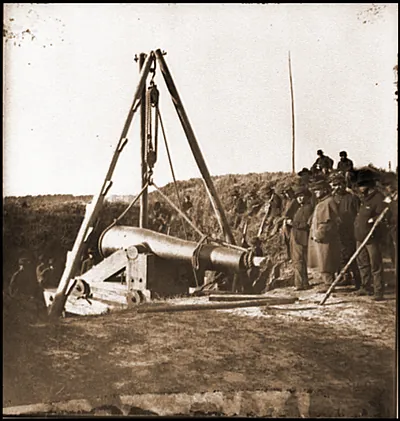 Savannah Ga. vicinity. Army engineers removing 8-inch Columbiad gun from Fort McAll (1864)
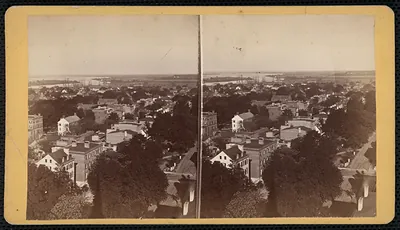 Savannah GA. (1875)
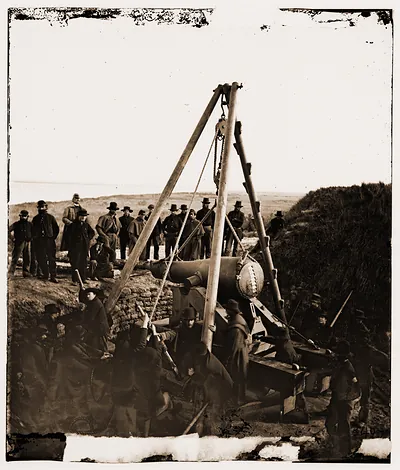 Savannah Georgia (vicinity). Army engineers removing a 48-pdr. 8-inch Columbiad fro (1864)
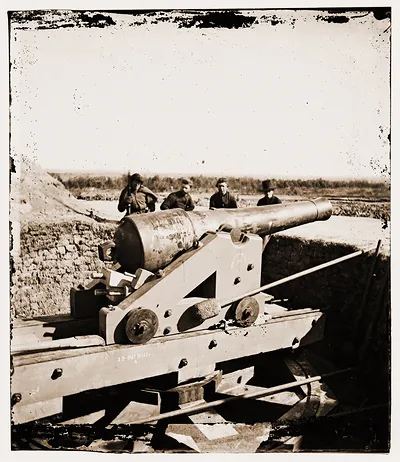 Savannah Georgia (vicinity). Big gun at Fort McAllister (1864)
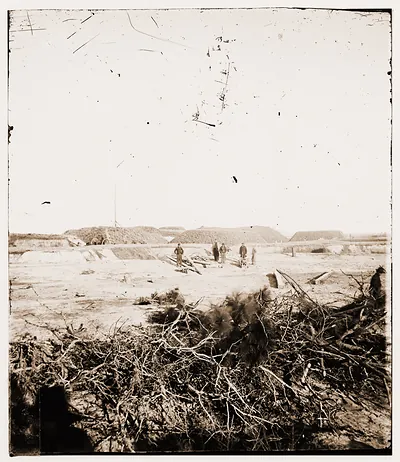 Savannah Georgia (vicinity). View of Fort McAllister (1864)
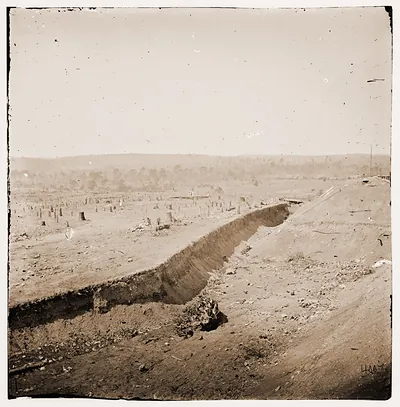 Savannah Georgia (vicinity). View of Fort McAllister on the Ogeechee River (1864)
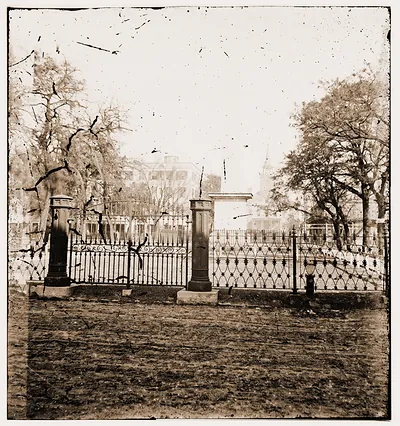 Savannah Georgia. View (1865)
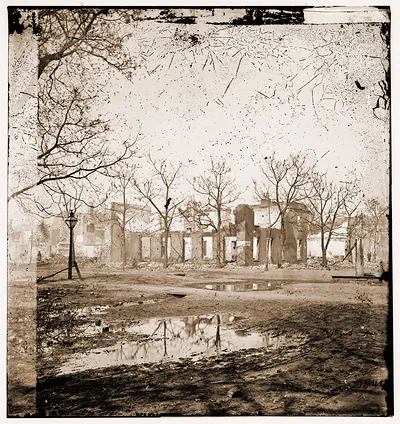 Savannah Georgia. Ruins of houses (1865)
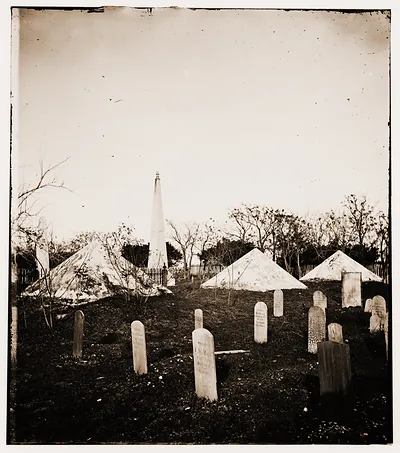 Savannah Georgia. Soldiers graves? (1865)
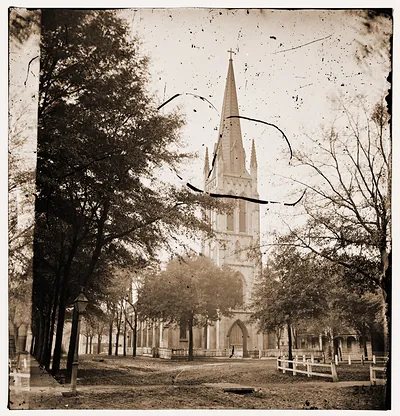 Savannah Georgia. St. Johns Church (1865)
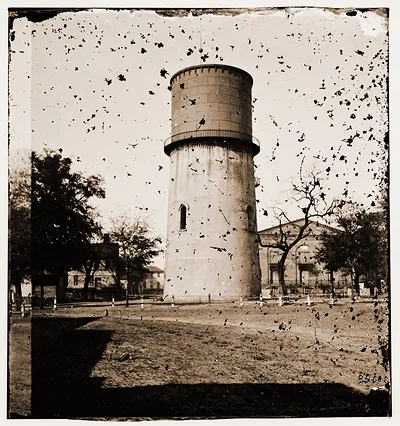 Savannah Georgia. The reservoir (1865)
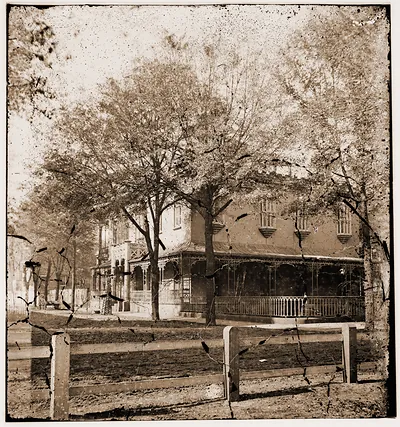 Savannah Georgia. Meldrim house General Shermans headquarters (1865)
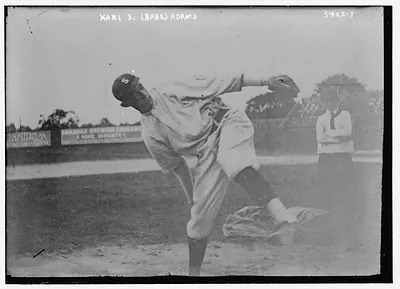 Karl S. (Babe) Adams, Savannah? (n/a)