Barns & Farms
635 historic pictures in the Barns & Farms collection, in 7 sections, part of Subjects. Each one can be ordered as a print or licensed, and the collection is a starting point for telling stories about the past.
Open the interactive boardYou can identify most regions of the United States from the shape of a barn, because a barn is a machine designed around one crop and one climate.
The Pennsylvania bank barn is built into a hillside so that wagons can drive into the upper floor while livestock occupy the lower, with a forebay overhanging the south wall. New England barns are connected to the house through a series of sheds, so a farmer could reach the animals in February without going outside — the arrangement people call big house, little house, back house, barn. Midwestern dairy barns are tall with rounded or gambrel roofs to hold loose hay above the cows. Tobacco barns in Kentucky and Connecticut have hinged vertical siding that opens to let air through. Southern barns are smaller and more open, because the winter does not require otherwise.
None of that is decoration. Each shape is an answer to a particular question about weather, crop and animal.
The mail order catalog belongs in this subject as much as the barn does. Sears and Montgomery Ward sold farm families everything from harness to houses, and a farmstead photographed in 1915 may contain a windmill, a cream separator, a buggy and in some cases the house itself, all ordered from a book and delivered by rail.
The photographs come from several directions and the sources matter. Commercial photographers sold views to the families themselves — a farm portrait with everyone arranged in front of the house was a standard purchase, and the livestock and equipment were included deliberately because they were the point. Agricultural agencies photographed methods and machinery. And in the 1930s the Farm Security Administration photographed rural America at the worst moment in its history, producing the images most people now have in mind.
Those FSA pictures need reading carefully. They were made to build political support for New Deal programs, and the photographers were briefed on what to look for. That does not make them dishonest — the conditions were real — but it does mean they show a particular slice, and the prosperous farms of the same decade are underrepresented as a result.
The windmill and the silo are the two features that changed the look of the American farm most visibly. Steel windmills spread across the plains from the 1880s and made settlement possible on land with no surface water. Upright silos arrived at about the same time and let a dairy farm keep cattle through a northern winter on stored corn. Both appear in photographs as suddenly as they appeared on the land.
The equipment dates a photograph well. Horse-drawn reapers give way to binders, then to tractors from the 1910s, and the changeover took forty years. A farm with both a team and a tractor in the yard is somewhere between 1920 and 1945.
Barn raisings appear regularly and are worth understanding. A frame barn went up in a day with the whole neighborhood present, because no family could do it alone and because the labor was reciprocal. The photograph of forty men on a frame is documenting an economy as much as a building.
The Ships That Were Meant to Be Photographed
Barns & Farms
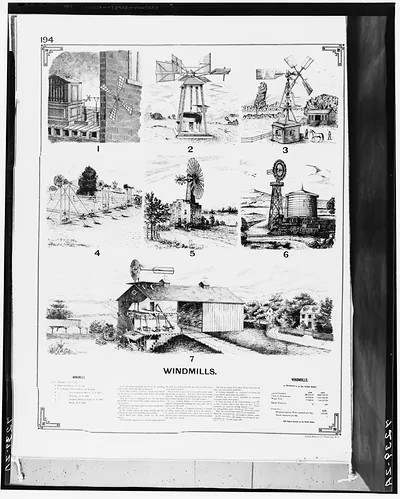 Engraved page of windmill illustrations titled Windmills, plate 194
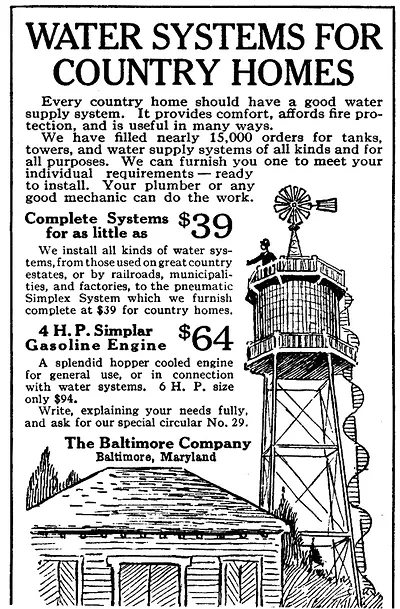 Water Systems for Country Homes advertisement, The Baltimore Company
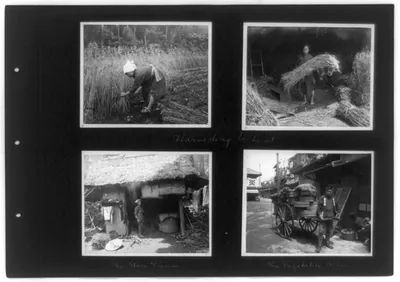 Harvesting wheat; the store house (barn); the vegetable man ([between 1915 and 19)
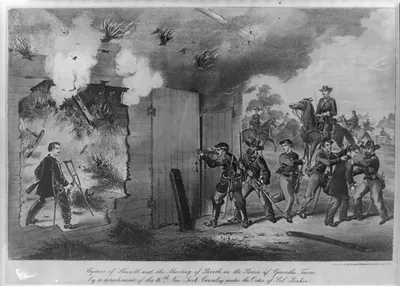 The capture and shooting of Booth in the barn of Garath's farm ([no date recorded on)
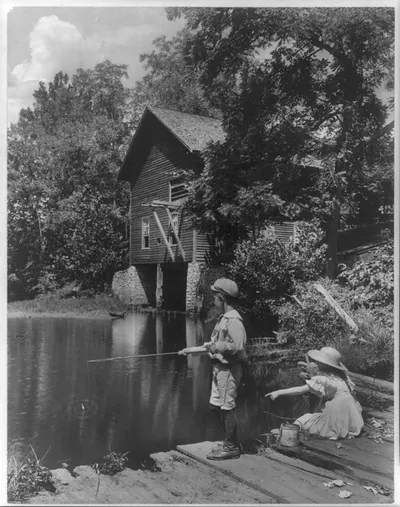 [Rural scenes of children fishing: boy and girl at pond behind barn]
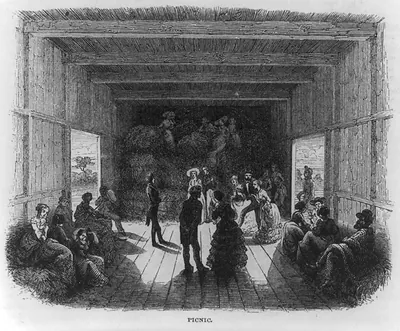 [Gold mining in Gold Hill, N.C.: Picnic" men and women dancing in barn]"
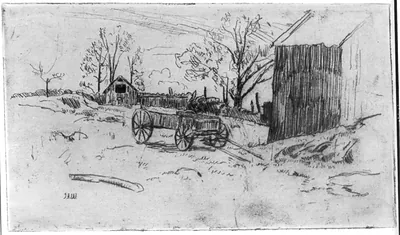 [Roscoe's Barn. Conn.] ([18--])
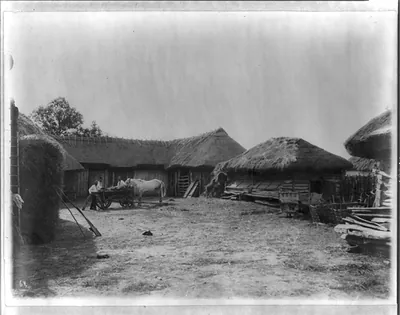 [Farmyard scene in Russia] ([between 1900 and 19)
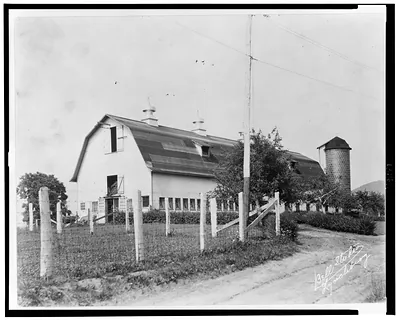 Dairy barn at Moatview Farm, near Lynchburg, Va.(?) / Bell Studio, Lynchburg. (c1924 July 8.)
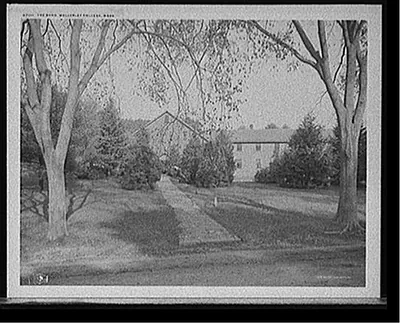 The Barn, Wellesley College, Mass. (c1908.)
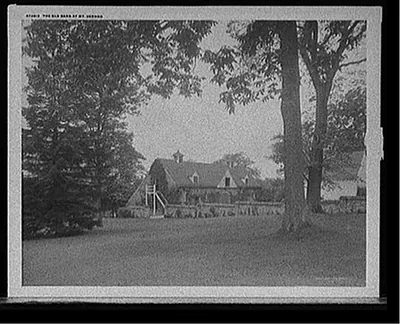 The Old barn at Mt. Vernon (c[between 1910 and 1)
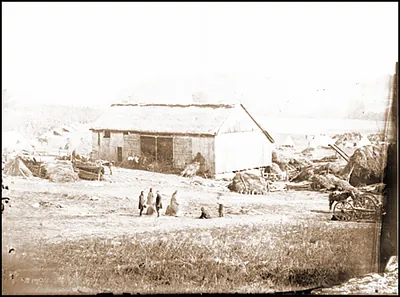 Keedysville Md. vicinity. Smiths barn used as a hospital after the battle of Antiet (1862)
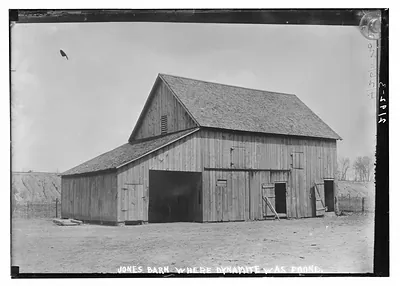 Jones Barn where dynamite was found (n/a)
County Fair
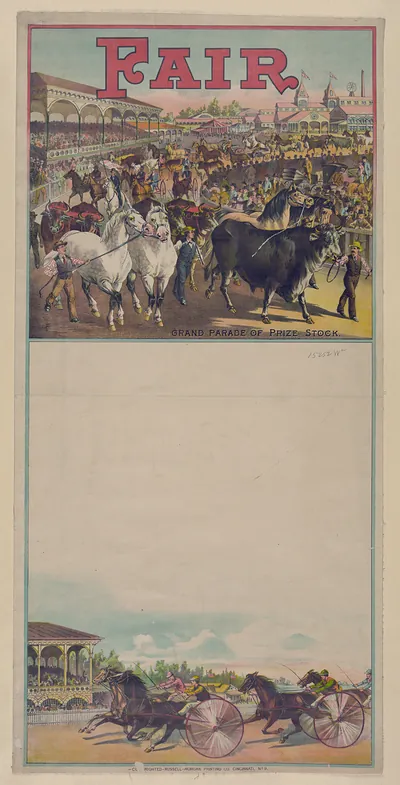 FAIR poster: Grand Parade of Prize Stock, with harness racing
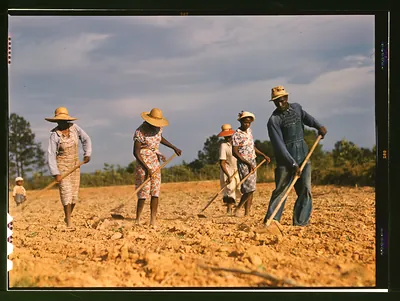 Chopping cotton on rented land near White Plains, Greene County, Ga
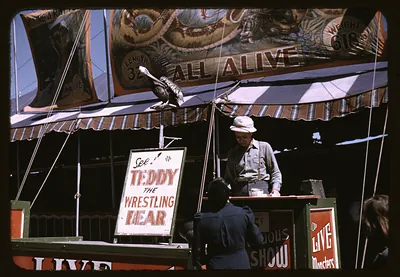 Sideshow barker beside Teddy the Wrestling Bear sign
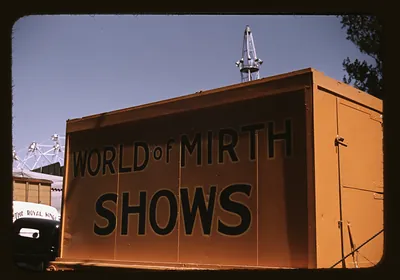 World of Mirth Shows trailer at a carnival
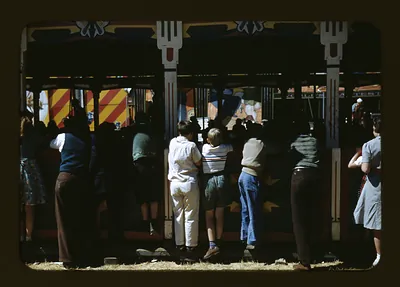 Crowd watching a fair game booth with striped canopy
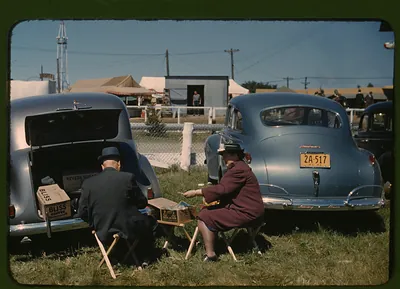 At the Vermont state fair, Rutland
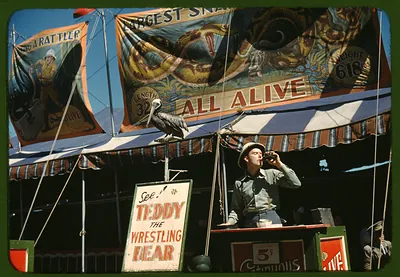 Barker at the grounds at the Vermont state fair, Rutland
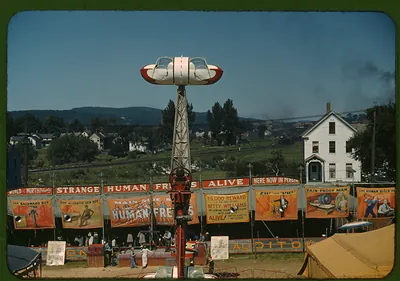 Fairground midway with sideshow banners and a tower ride
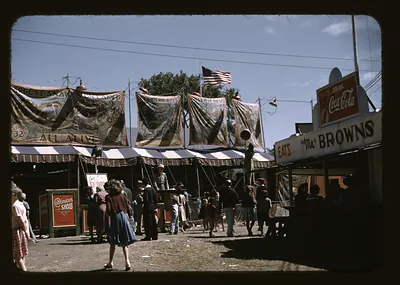 Barker at the grounds of the Vermont state fair, Rutland
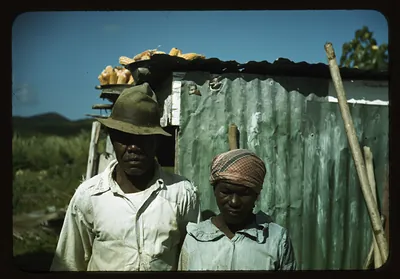 FSA - Tenant Purchase borrowers by their house, Puerto Rico
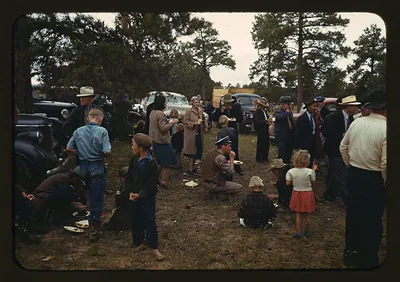 Crowd eating outdoors among parked cars and pine trees
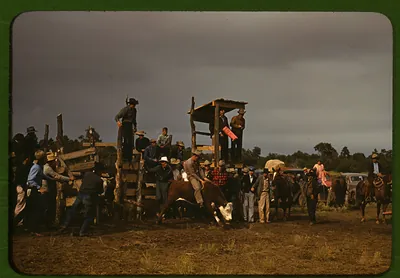 Steer wrestling at a rodeo with spectators on pen fences
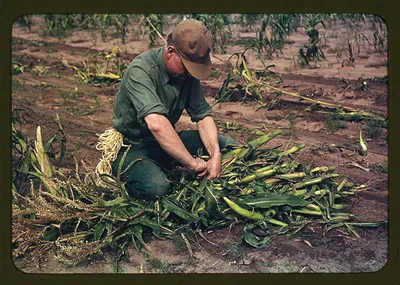 Son of Jim Norris, homesteader, tying corn into bundles, Pie Town, New Mexico
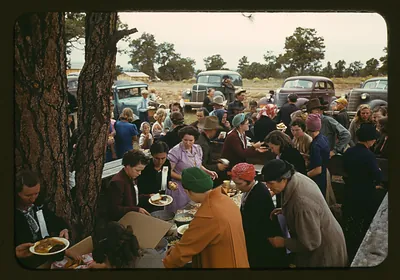 Women serving food at an outdoor fair picnic
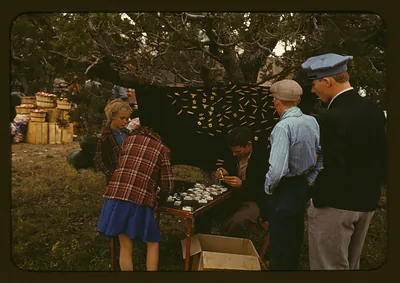 Vendor selling initial pins at an outdoor fair stall
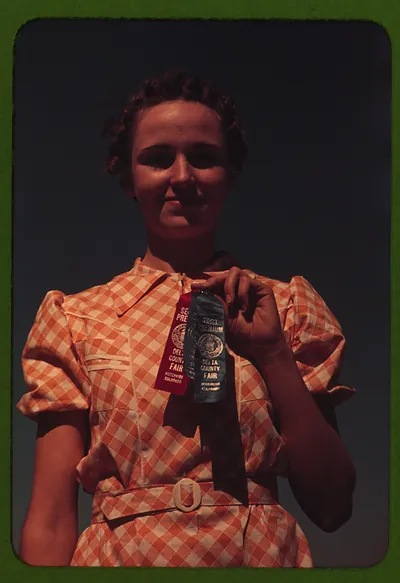 Winner at the Delta County Fair, Colorado
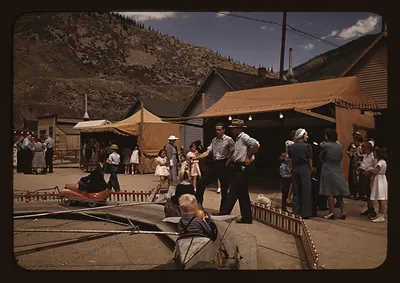 Children and tents at a county fair midway, Colorado
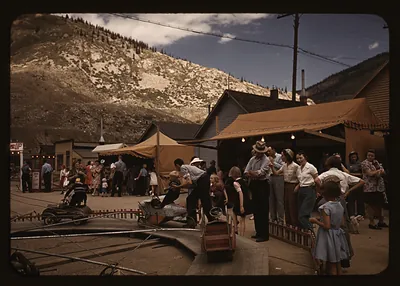 Fairground midway with crowds and children's rides
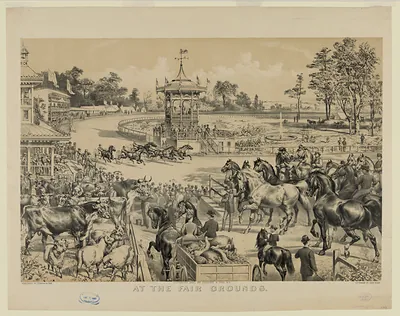 At the Fair Grounds
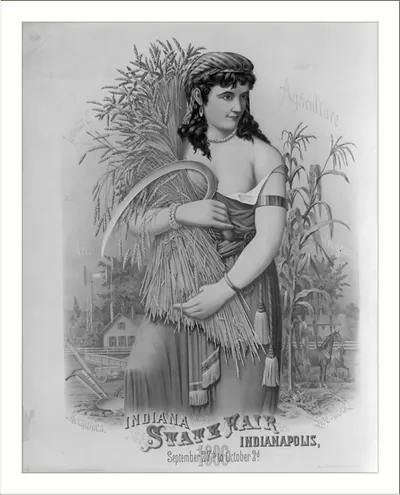 Indiana State Fair Indianapolis September 27th to October 2d 1886 (c1886 July 27.)
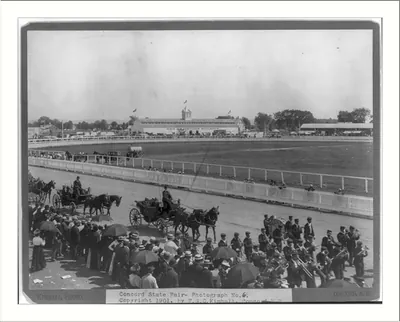 Concord State Fair
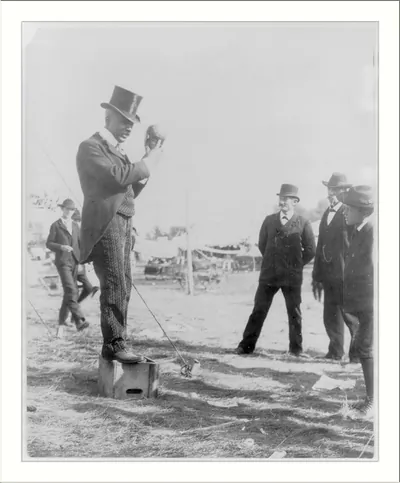 [Minnesota State Fair: African American on soap box using hand puppet] ([1900?])
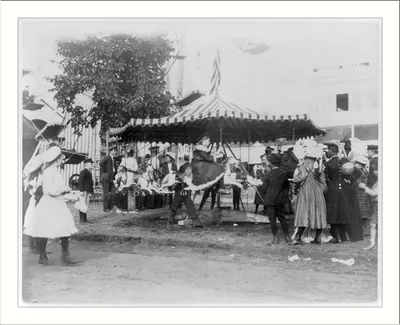 [Minnesota State Fair: children on small merry-go-round] ([1900?])
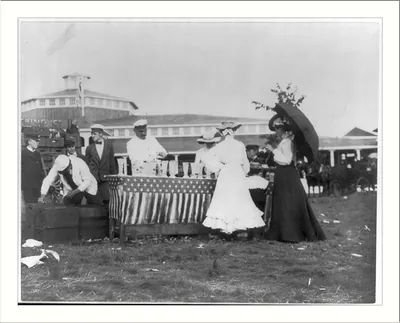 [Minnesota State Fair: refreshment stand] ([1900?])
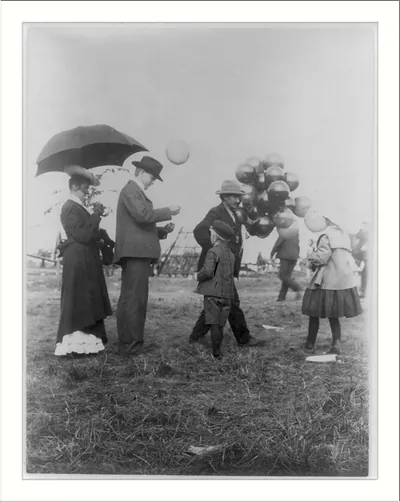 [Minnesota State Fair: balloon vendor] ([1900?])
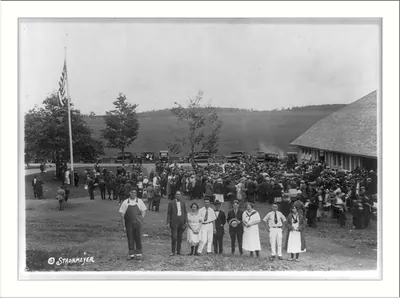 [County or state fair in New England: large group outside fair building]
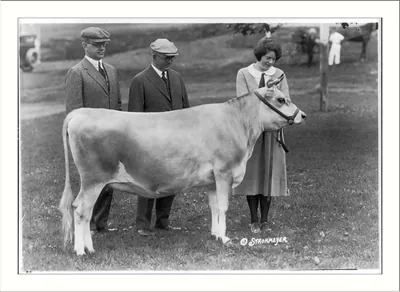 [County or state fair in New England: 2 men and a woman with prize heifer]
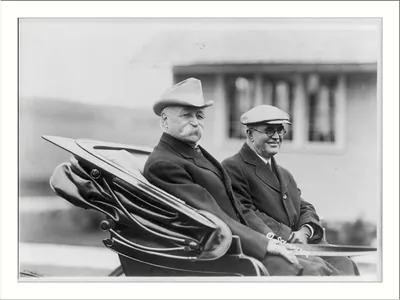 [County or state fair in New England: 2 men in back of open carriage]
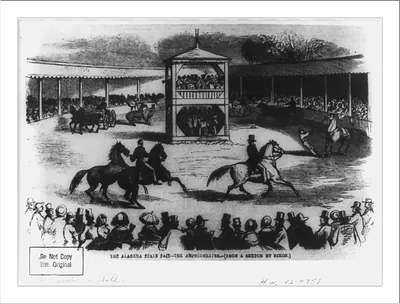 The Alabama State Fair - the Amphitheatre (1858)
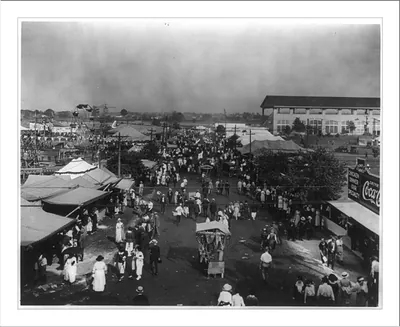 [Kentucky State Fair grounds. Pike looking east from Horse Show Building] (c1922.)
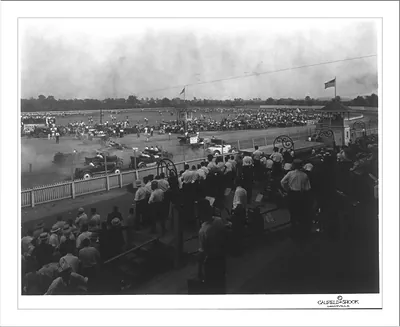 [Auto races at Kentucky State Fair]
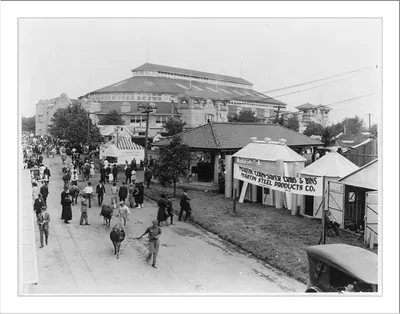 Kentucky State Fair - scene near cattle sheds (c1923 Oct. 27.)
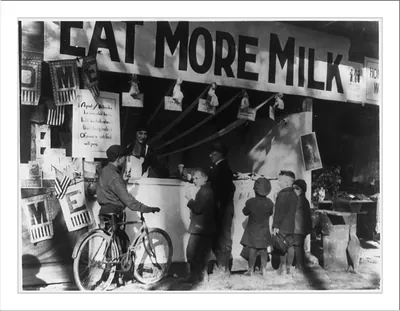 The Milk Booth at the State 4 H Fair at Charleston, W. Va. Location: Charleston, West Virg (1921 October.)
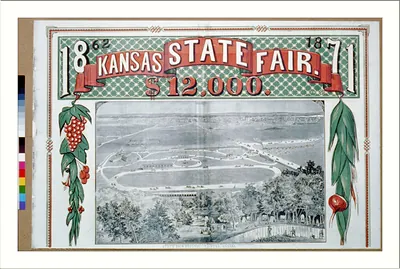 Kansas State Fair, 1862-1871 (1871)
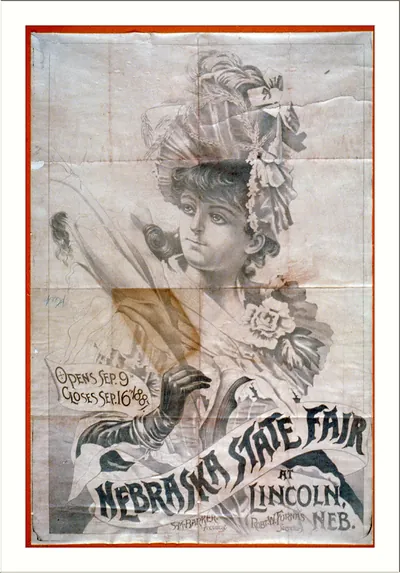 Nebraska State Fair at Lincoln, Neb. Opens Sep. 9 closes Sep. 16, 1887 (1887)
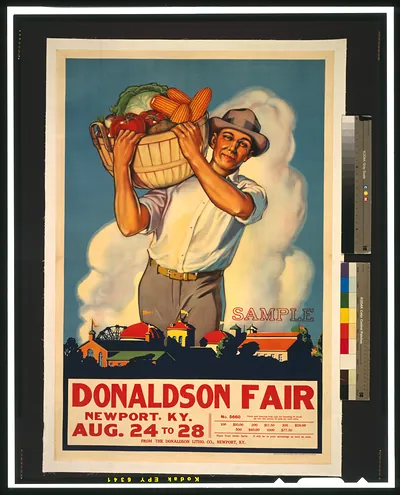 Donaldson fair (Newport, Kentucky : )
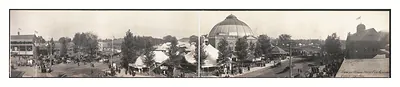 IL View on State Fair Grounds 1909 PHOTO (1909)
 KY State Fair Louisville 1916 PHOTO (1916)
 MI Taft at State Fair Detroit 1911 PHOTO (1911)
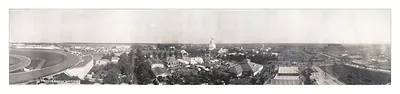 MN Minnesota State Fair 1 1909 PHOTO (1909)
 MN Minnesota State Fair 1909 PHOTO (1909)
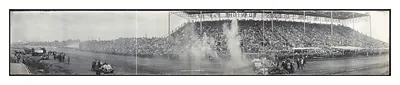 MN Minnesota State Fair 1911 PHOTO (1911)
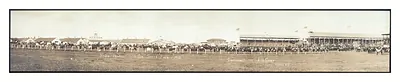 SD 1912 Huron State Fair PHOTO (1912)
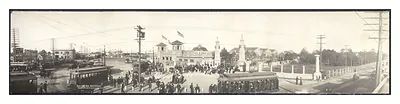 TX 1908 Texas State Fair Dallas PHOTO (1908)
Dairy Cows
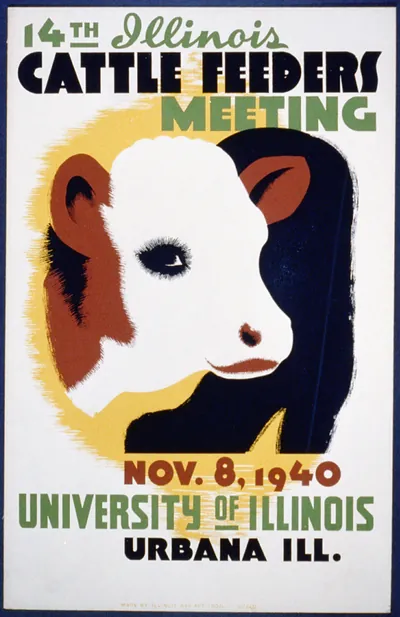 14th Illinois cattle feeders meeting Nov. 8 1940 University of Illinois Urbana Ill. (1940)
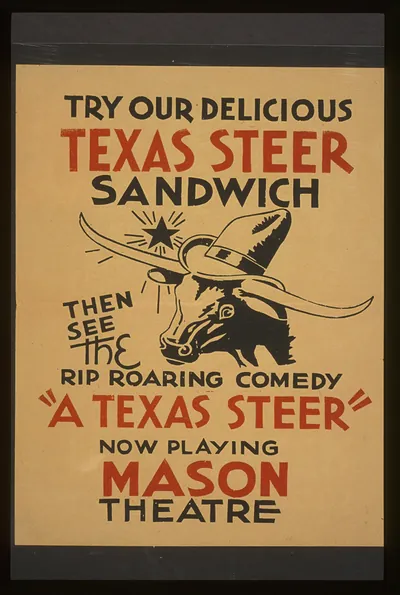 Try our delicious Texas steer sandwich then see the rip roaring comedy A Texas steer (1936)
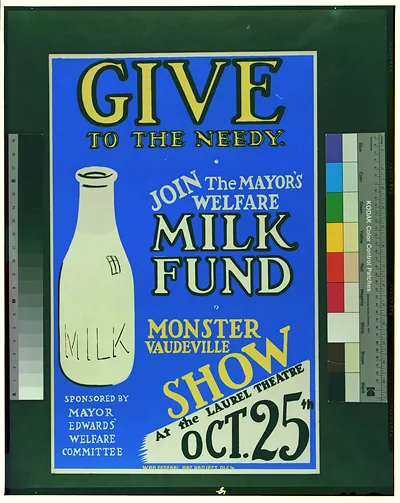 Give to the needy Join the mayors welfare milk fund (S) Monster vaudeville show at the (1936)
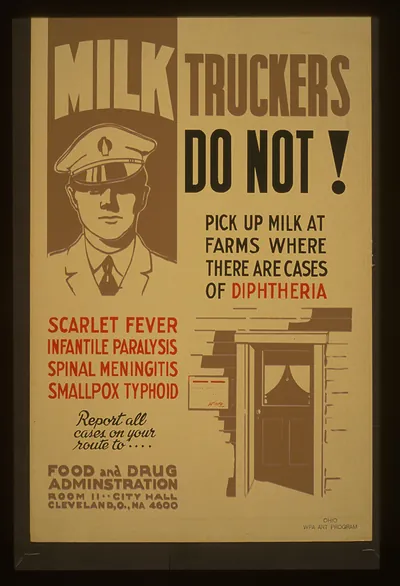 Milk truckers do not! pick up milk at farms where there are cases of diphtheria scarl (1936)
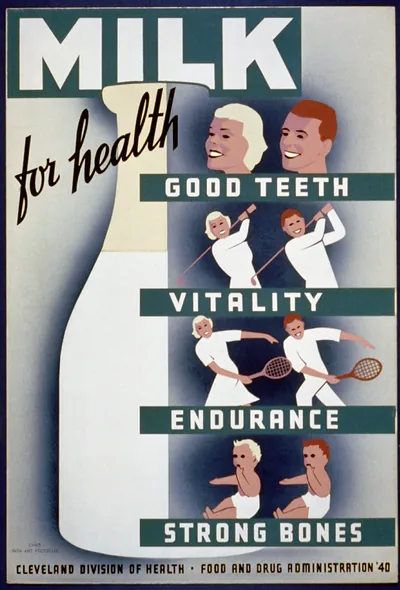 Milk - for health good teeth vitality endurance strong bones
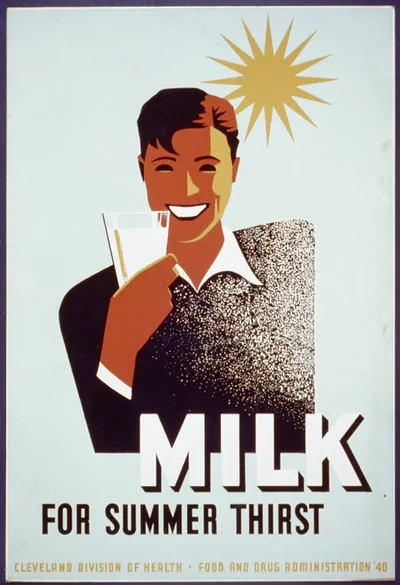 Milk - for summer thirst
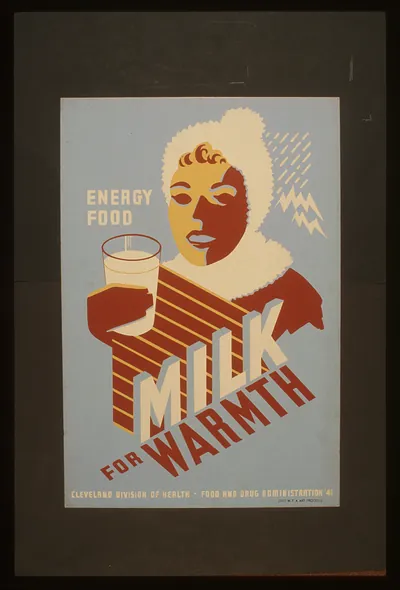 Milk - for warmth Energy food.
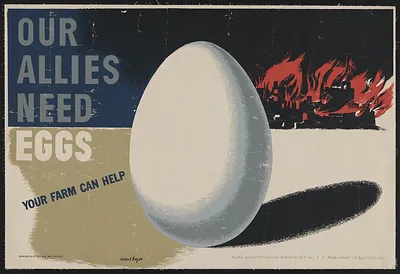 Our Allies Need Eggs, Your Farm Can Help
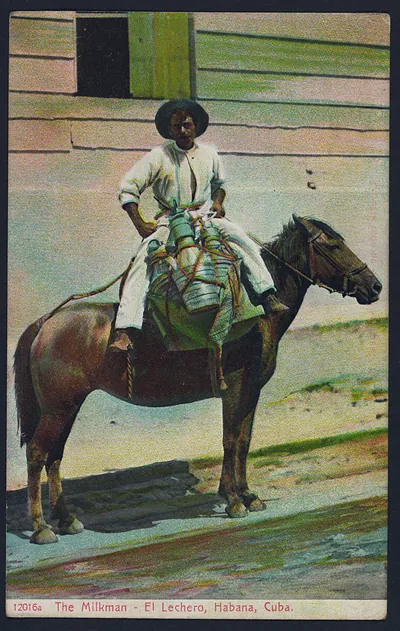 Themilkman El Lechero Habana Cuba
Farm
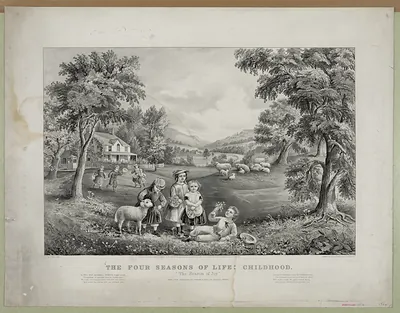 The Four Seasons of Life: Childhood, The Season of Joy
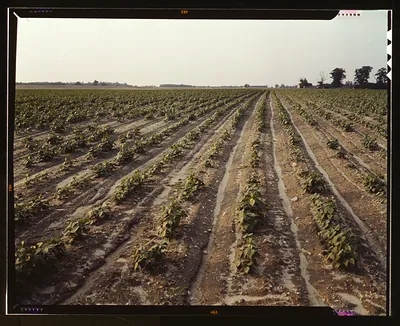 Rows of young bean plants in an open farm field
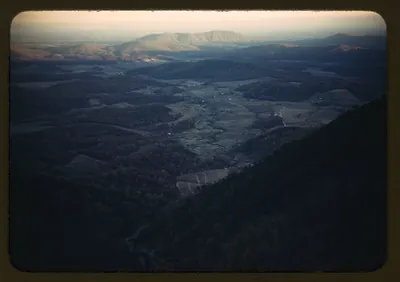 Mountain valley farms with fields and forested ridges
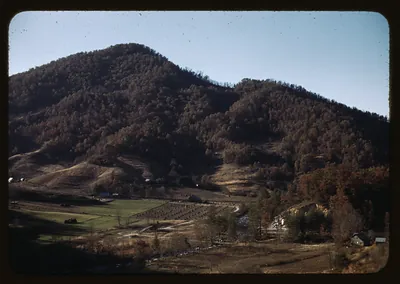 [Mountain farm along the Skyline Drive, Virginia]
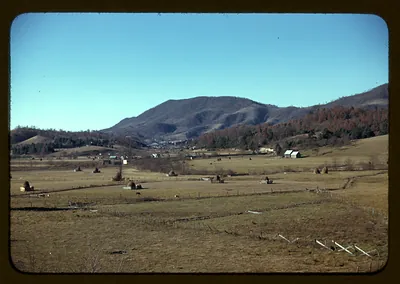 Hay stacks and farm fields in a mountain valley
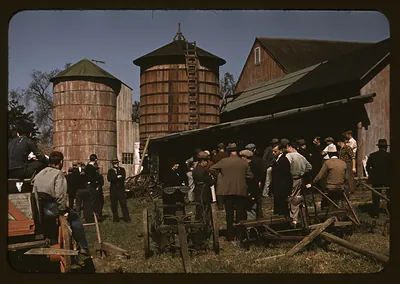 Men gathered at a farm auction beside silos and barn
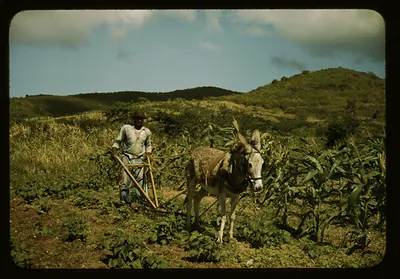 Man plowing field with donkey among corn
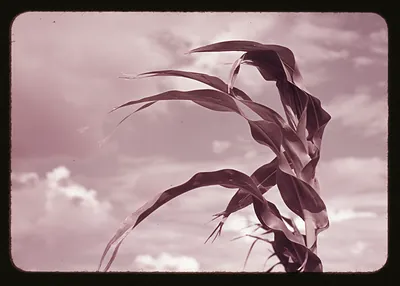 Corn plant leaves against a cloudy sky
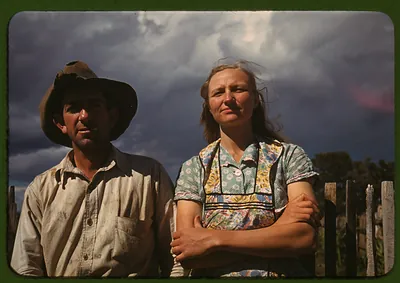 Farm couple standing by a fence under a stormy sky
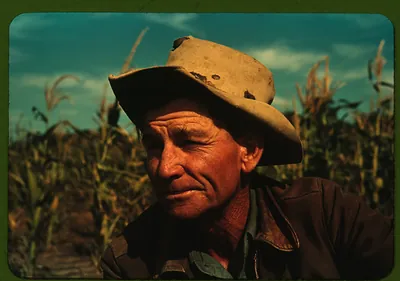 Farmer in weathered hat in a cornfield, color photograph
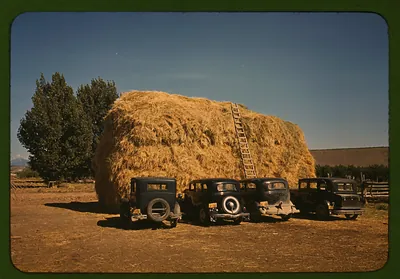 Hay stack and automobile of peach pickers, Delta County, Colorado
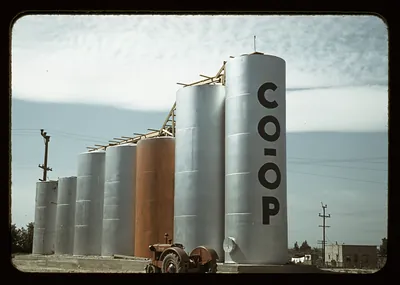 Grain elevators, Caldwell, Idaho
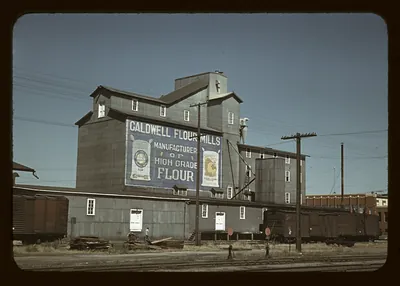 Caldwell Flour Mills, manufacturers of high grade flour
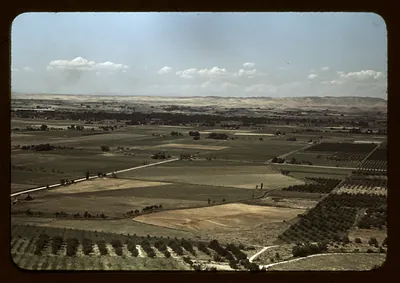 Cherry orchards and farming land, Emmett, Idaho
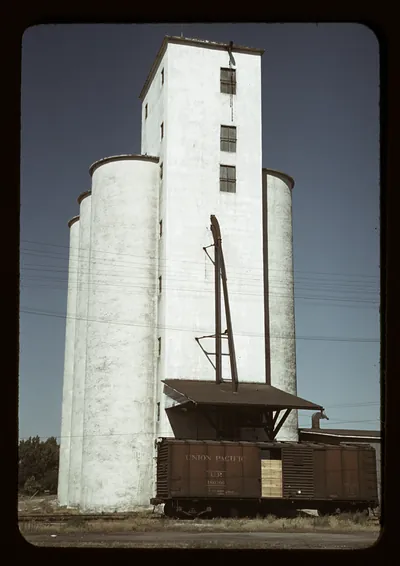 Concrete grain elevator with silos and Union Pacific boxcar
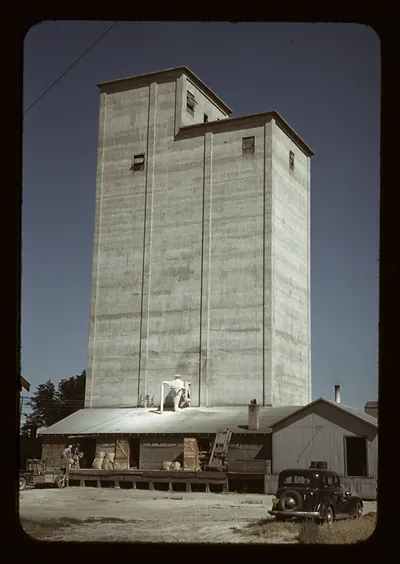 Concrete grain elevator with warehouse and parked vintage car
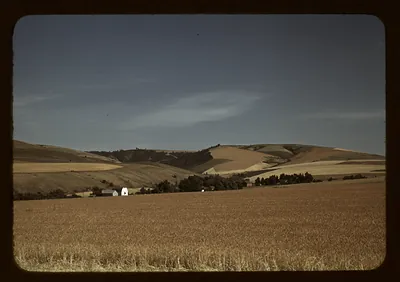 Wheat fields and a white farm building on rolling hills
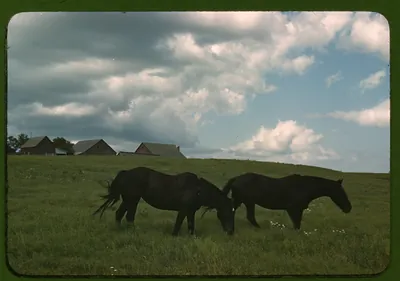 Work horses near Junction City, Kansas
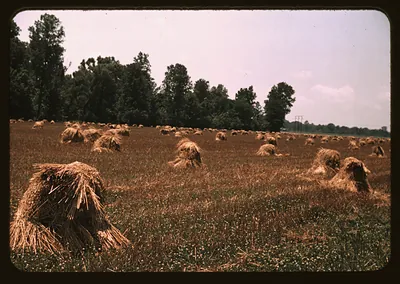
 Typical southeastern Georgia farm with newly harvested field of oats
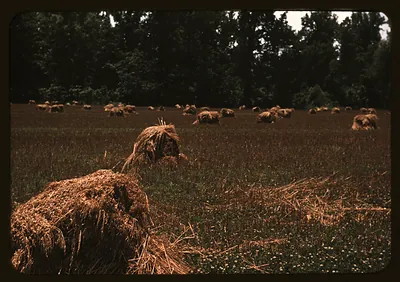
 Harvested grain shocks in a field beneath tall trees
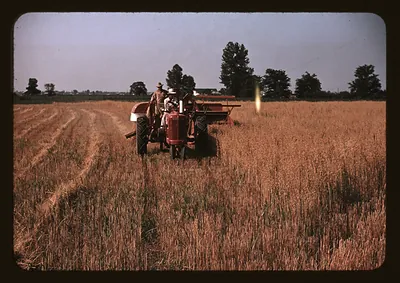 Harvesting oats, southeastern Georgia
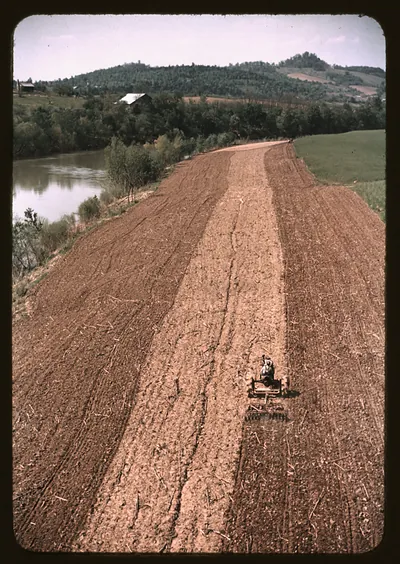 Tractor working a plowed field beside a river
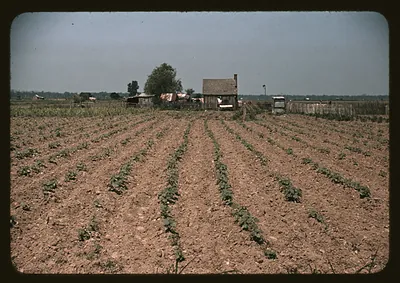 Planted crop rows with farmhouse and truck in a field
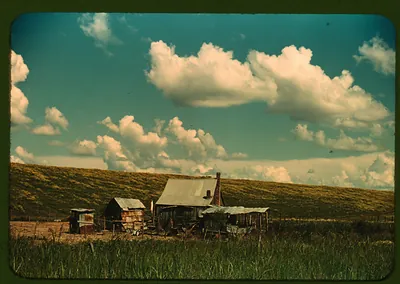 Small shacks and sheds on a grassy hillside under clouds
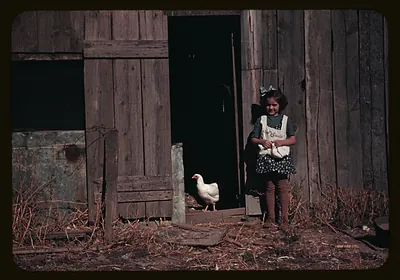 Girl standing by barn door with white chicken
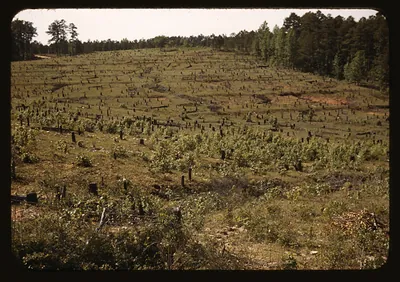 Cutover hillside with tree stumps and young regrowth
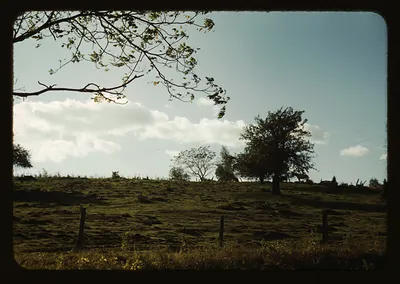 field - pasture
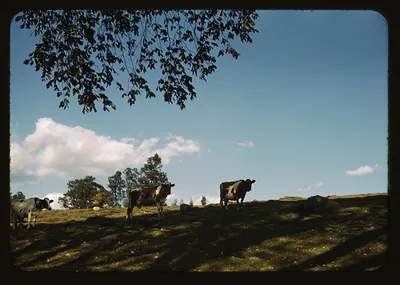 cows pasture
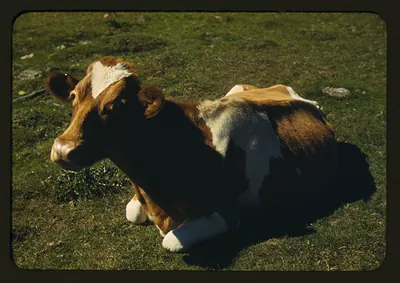 [Guernsey cow or calf lying on the ground]
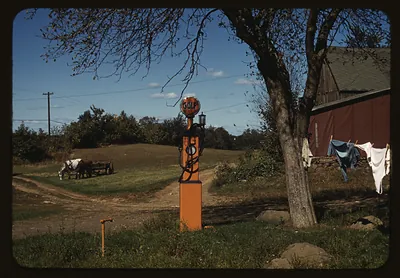 [Gas pump with clothesline, barn and horse-drawn wagon in background]
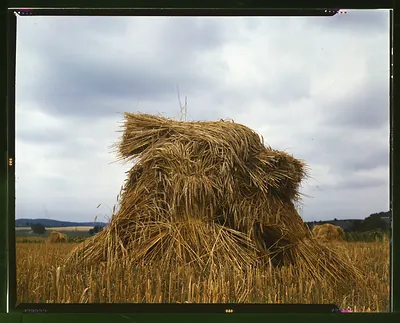 Shock of cut wheat standing in a stubble field
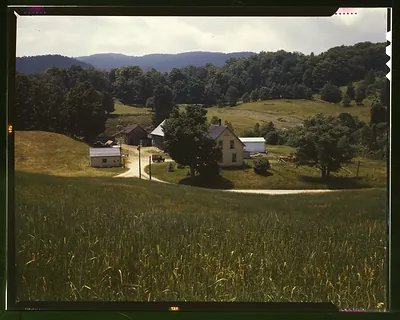 Farmhouse, barns and wheat field in rolling hills
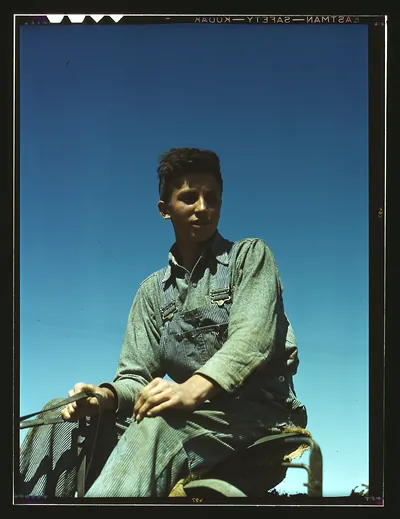 Portrait of a farm boy in overalls on farm machinery
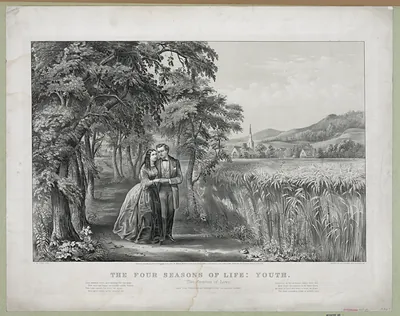 The Four Seasons of Life: Youth
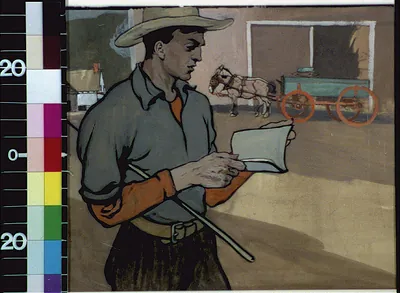 Man in hat reading a booklet beside a horse-drawn wagon
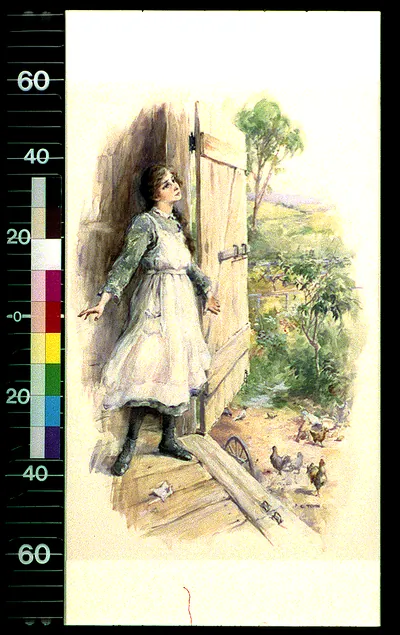 Girl looking out of a wooden door onto a farmyard
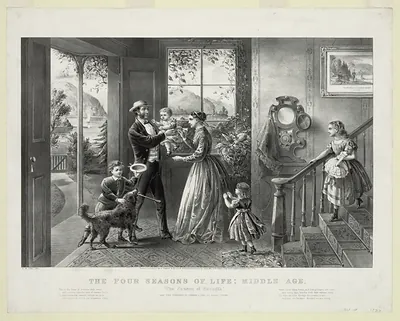 The Four Seasons of Life: Middle Age
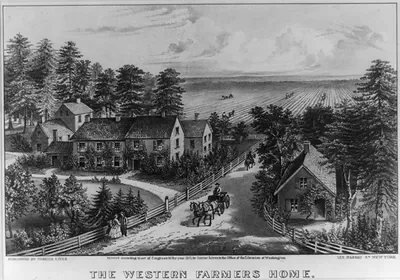 The Western farmers home (New York : Published)
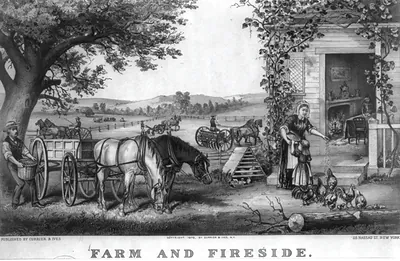 Farm and fireside (New York : Published)
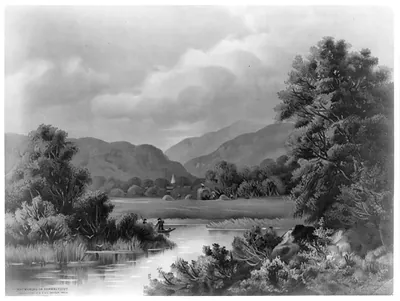 Haymaking in Connecticut (c1885 Dec. 26.)
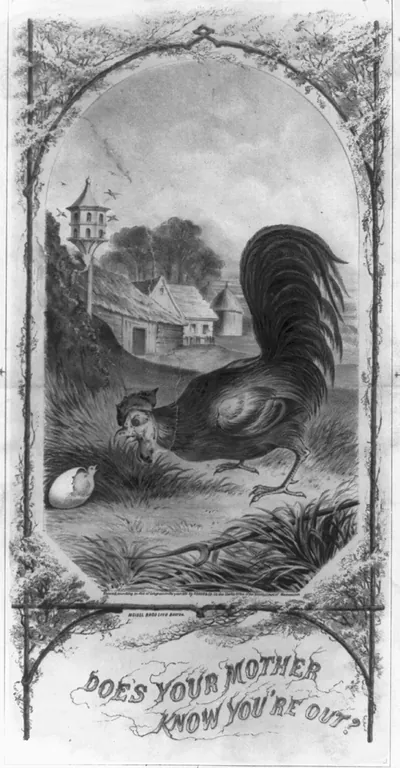 Does your mother know you're out? (c1861.)
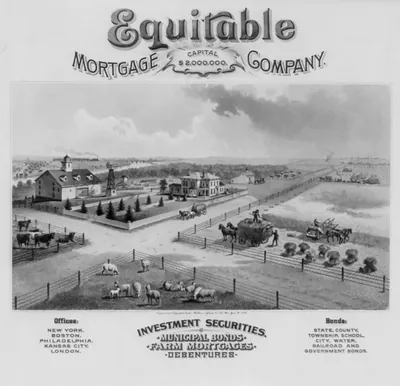 Equitable mortgage company (New York : Baldwin &)
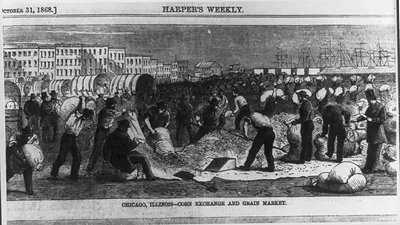 Chicago, Illinois - corn exchange and grain market (1868 October 31.)
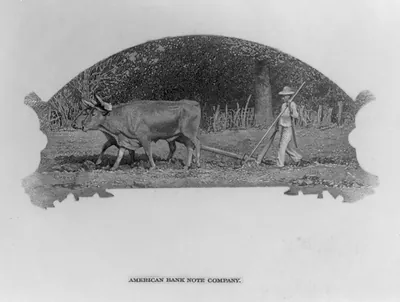 [Plowing with team of oxen] ([no date recorded on)
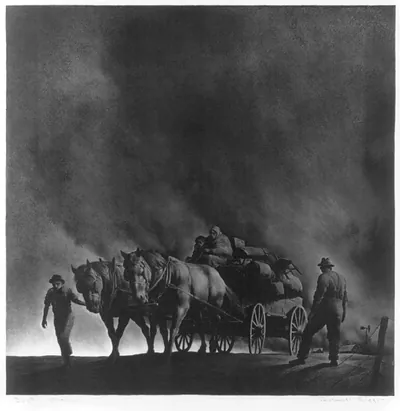 Dust storm ([no date recorded on)
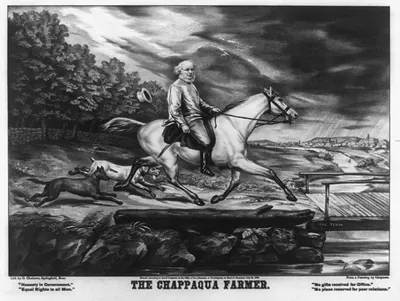 The Chappaqua farmer / Kuriger ; lith by D. Chalmers, Springfield, Mass. ; from a painting ([Springfield, Mass. )
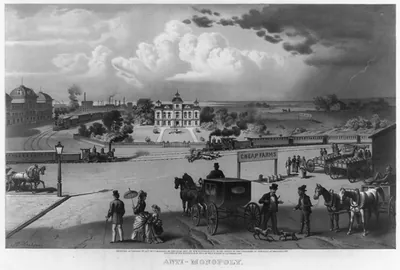 Anti-monopoly (c1873.)
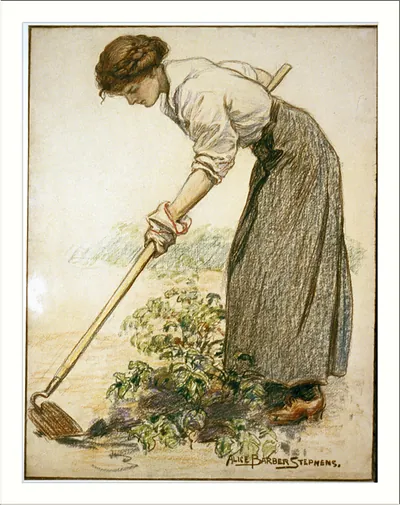 Woman hoeing crops, colored pencil drawing, signed Alice Barber Stephens
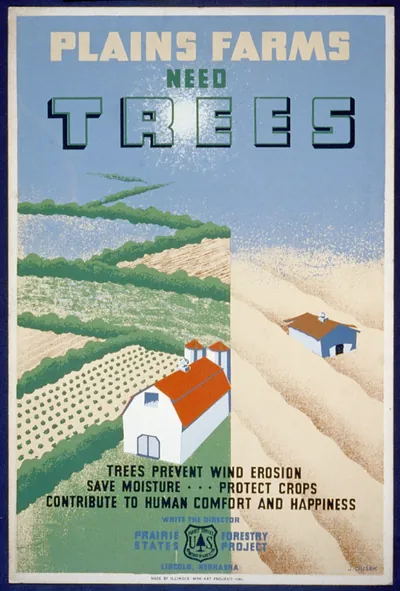 Plains farms need trees Trees prevent wind erosion, save moisture ... protect crops, contr (Chi[cago] : Illinois)
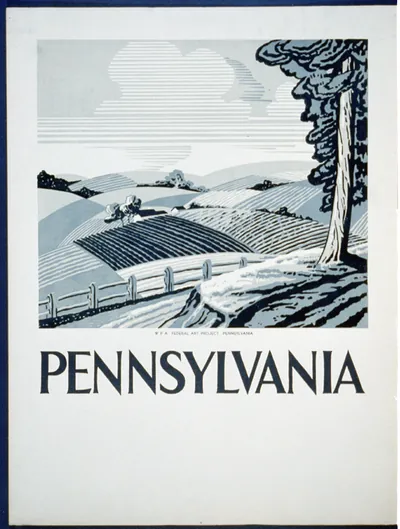 Pennsylvania (Pennsylvania : WPA F)
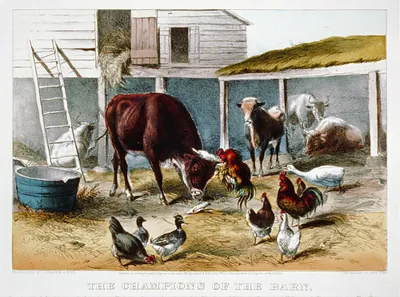 The champions of the barn ([New York] : Currier)
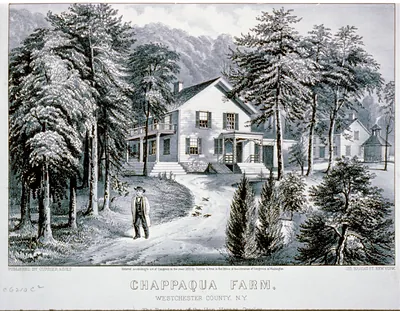 Chappaqua Farm, Westchester County, N.Y.: The residence of the Hon. Horace Greeley ([New York] : Currier)
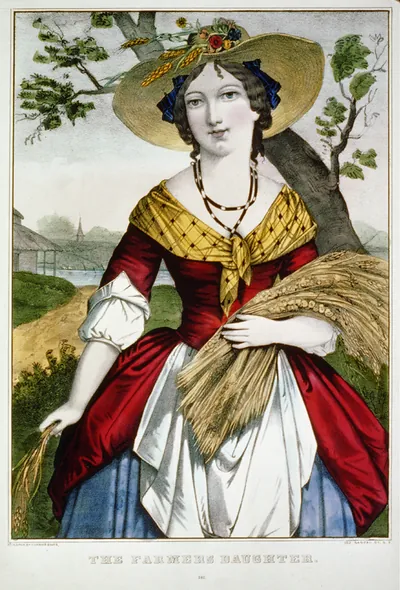 The farmers daughter / lith. & pub. by Currier & Ives. (N[ew] Y[ork] : Curri)
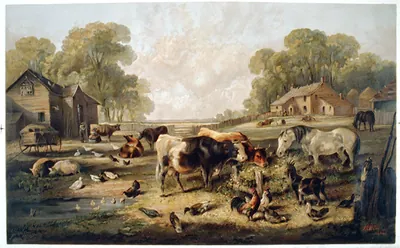 American farm life ([New York] : Currier)