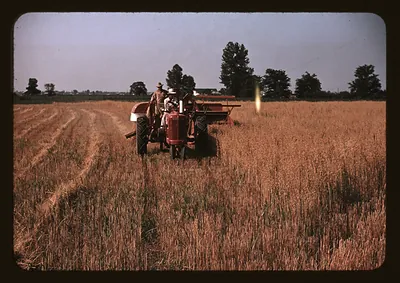
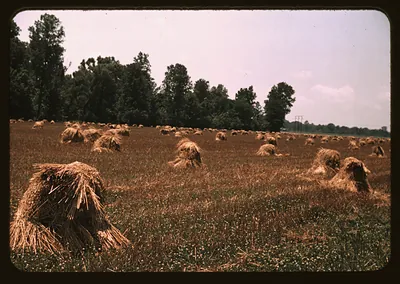
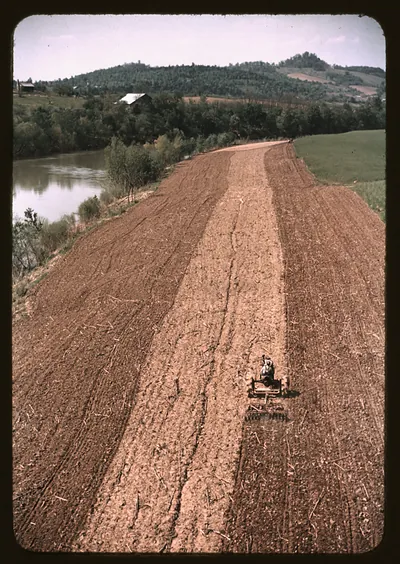
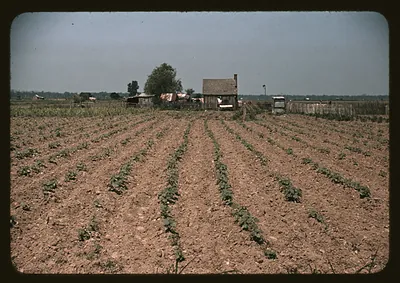
Typical southeastern Georgia farm with newly harvested field of oats – Antique Wall Art

(Each image is professionally and digitally cleaned of artifacts such as color bars and extra borders prior to printing.)
Description
This historic image of Typical southeastern Georgia farm with newly harvested field of oats brings a moment of history to your wall. Drawn from the Snapshots of the Past archive, it is an authentic piece of documented history.
Framed, it is ready for the wall; unframed, it is ready for the frame you choose. It brings character to any room and makes a memorable gift. Free shipping in the lower 48 states. Since 2001, Snapshots of the Past has shipped historic prints to tens of thousands of customers around the world.
Typical southeastern Georgia farm with newly harvested field of oats
Order a print
Thank you. Your order went through, and a receipt is on its way by email.
Secure checkout · SSL encryptedPowered by Stripe and PayPal
Free shipping in the lower 48 states. The checkout page shows the picture, size and price before you pay.
Southeastern Georgia farmland, with its flat fields and sandy soil, is the setting for this view of a freshly cut oat field beside a working farm. Oats were a common small-grain crop across the Southeast in the early twentieth century, grown for feed for horses and mules, which were essential to farm work before tractors became widespread. Scenes like this one, with the field stubble, outbuildings and open sky, document the rural landscape of the region and the farm routines that shaped it. The picture is worth a closer look for its record of how a typical Georgia farm was laid out and worked.
| Original scan | 5,418 × 3,828 px · prints to 18 × 13 in at 300 dpi |
|---|---|
| Reference | 1a34306u Typical southeastern Georgia farm with newly harvested field of oats |
More from the Barns & Farms collection
Snapshots of the Past helps heritage brands, museums, historians and storytellers tell stories with history: historic prints, image licensing and historical storytelling drawn from more than 25 years of research and curation.