Atlanta
48 historic pictures in the Atlanta collection, part of Cities. Each one can be ordered as a print or licensed, and the collection is a starting point for telling stories about the past.
Open the interactive boardAtlanta existed because of railroads. It began in 1837 as the end of a line — the original name was Terminus — and it mattered in the Civil War for exactly that reason. Four railroads met here, and whoever held it controlled supply for the lower South.
Sherman took the city in September 1864 and burned the military and industrial districts in November before beginning the March to the Sea. The photographs made in the weeks between are unusual: George Barnard worked in the occupied city and produced images of the defensive works, the wrecked rolling stock and the roundhouse that are among the most technically accomplished of the war.
The rebuilding was fast and the city adopted a phoenix as its symbol, which tells you how deliberately the story was managed. By 1868 Atlanta was the state capital.
The Cotton States and International Exposition of 1895 was the announcement that the rebuilding had worked. Nearly eight hundred thousand people attended. It is remembered now chiefly for Booker T. Washington's speech, delivered on the opening day, which set the terms of a debate that ran for decades.
Photographs of Peachtree Street across the following thirty years show the same view getting taller. The Flatiron Building here predates the New York one by a year, and locals point that out.
The railroads remain the underlying subject. The tracks ran through the center at grade, which meant the downtown was cut in half by them, and the viaducts built over the tracks in the 1920s created the buried streets that later became Underground Atlanta. Photographs from before the viaducts show a city organized entirely around the rail corridor.
Just over a thousand images in the archive name Atlanta.
The Third-Largest City in America, Until It Voted Not to Be
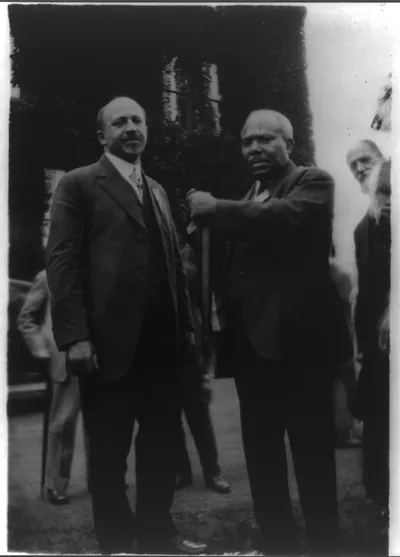 [W.E.B. Du Bois, full-length portrait, following Spingarn awards ceremony, Atlanta, Georgi ([1920])
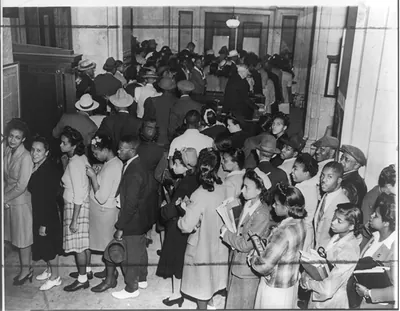 [African Americans registering to vote, Atlanta, Ga.] ([ca. 1944])
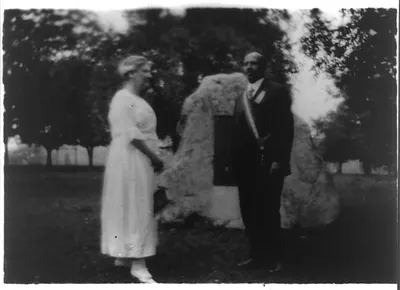 [W.E.B. Du Bois, full-length portrait, with Mary White Ovington following Spingarn awards ([1920])
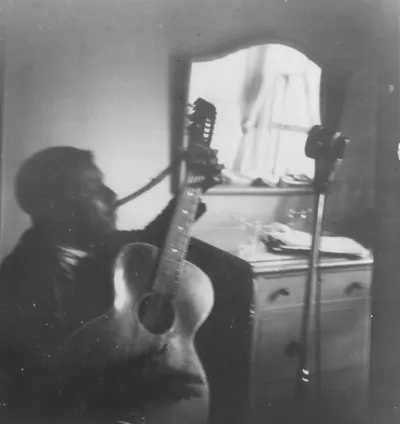 [Blind Willie McTell, with 12-string guitar, hotel room, Atlanta, Ga.]
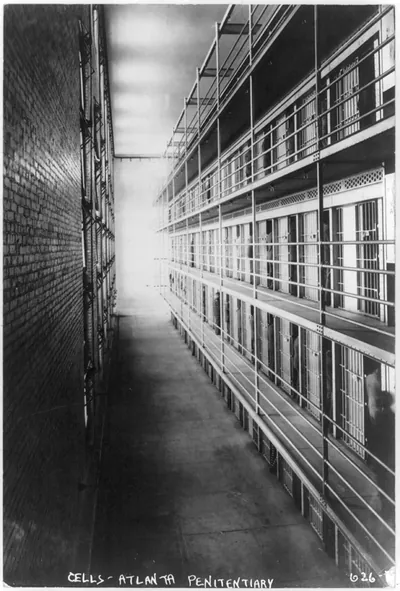 [Photo of prison: cell block, Atlanta Penitentiary] ([ca. 1910])
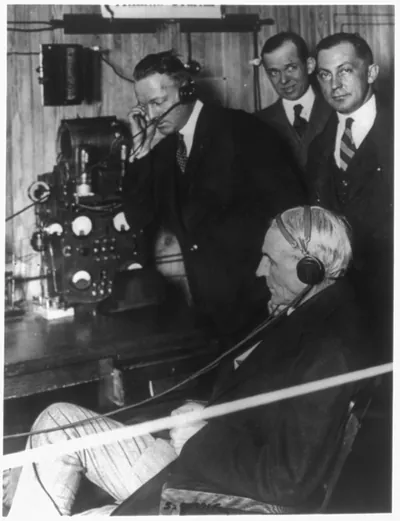 [Henry Ford, 1862-1947, three-quarters length portrait, seated, wearing radiophone receive
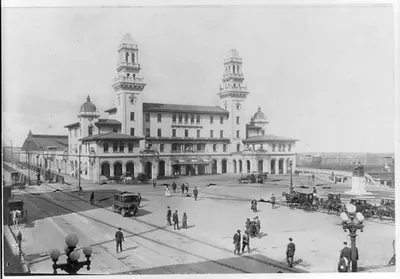 [Railroad stations: Terminal Station, Atlanta, Georgia]
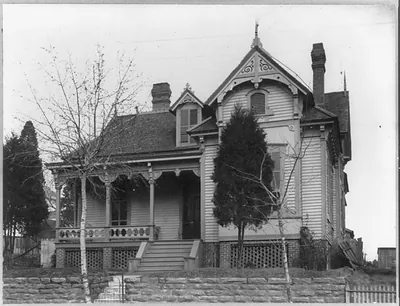 Home of Bishop Gaines, Atlanta, Ga. ([1899?])
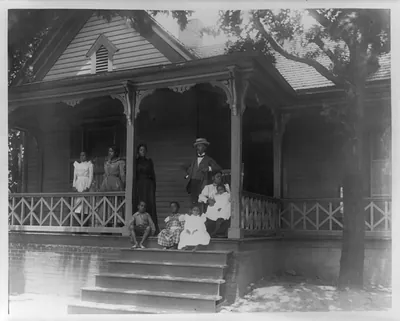 [Home of an African American lawyer, Atlanta, Georgia, with men, women, and children posed ([1899 or 1900])
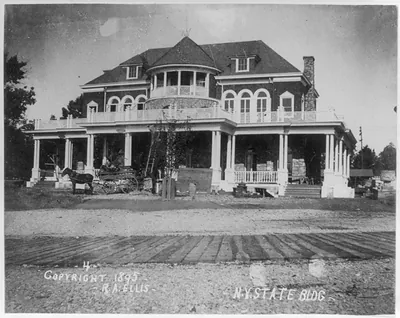 [Atlanta, Ga. - Cotton States Exposition]: N.Y. State Bldg. (c1895.)
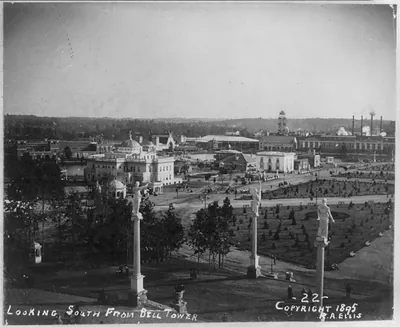 [Atlanta, Ga. - Cotton States Exposition]: Looking south from Bell Tower (c1895.)
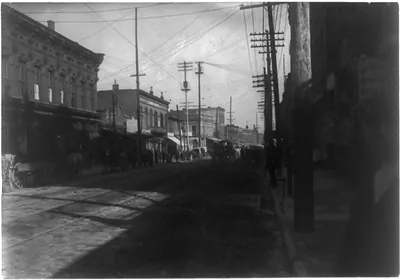 [Street scene in business district, possibly in Atlanta, Georgia] ([1899 or 1900])
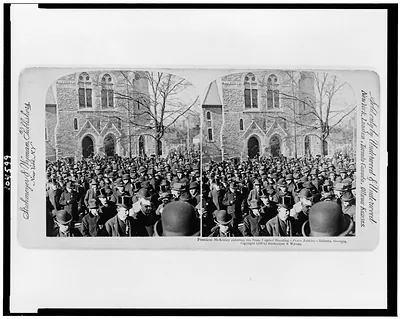 President McKinley entering the State Capitol Building--Peace Jubilee--Atlanta, Georgia (New York, N.Y. : Str)
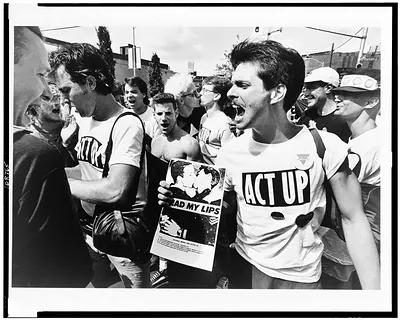 Demonstration, Act up, Atlanta, 1988 (1988)
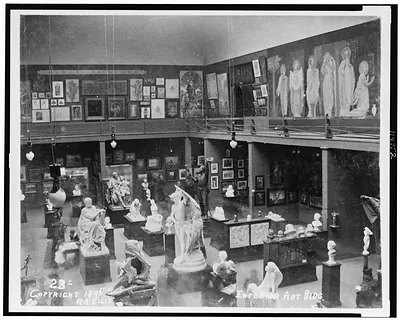 [Interior of Fine Arts Building, Cotton States Exposition, Atlanta] (c1895.)
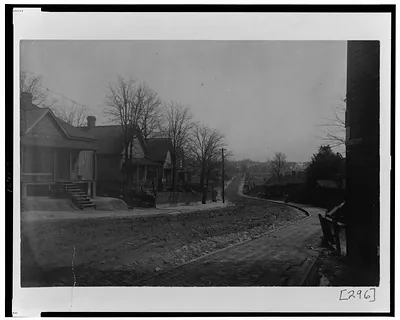 [Exterior view of houses along unpaved street, Greensferry Ave., N.W., Atlanta, Georgia] ([1899 or 1900])
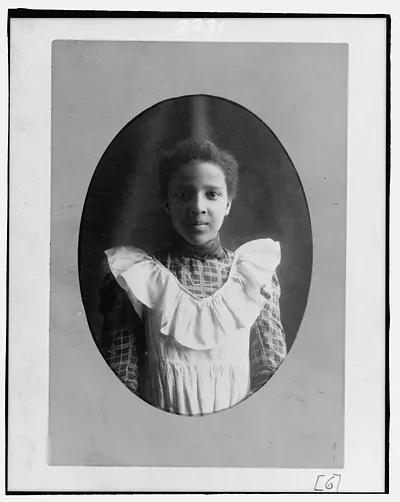 [Bazoline Estelle Usher, Atlanta University student, half-length portrait, facing front] ([1899 or 1900])
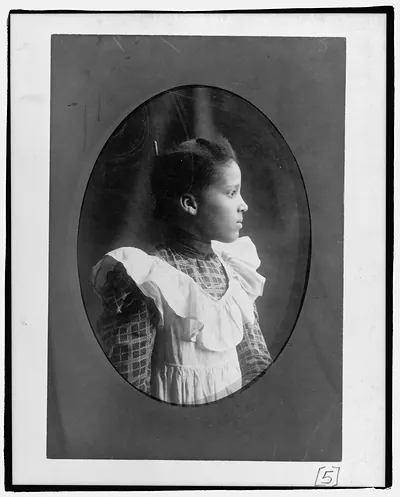 [Bazoline Estelle Usher, Atlanta University student, half-length portrait, facing right] ([1899 or 1900])
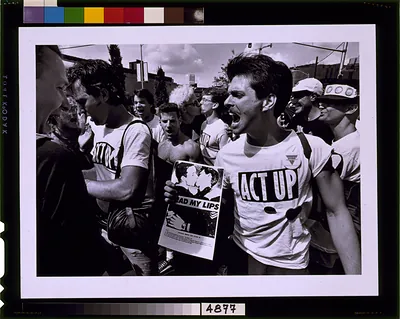 Demonstration, Act up, Atlanta, 1988 (1988)
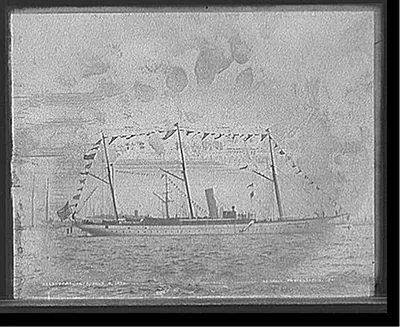 Atlanta [i.e. Atalanta] (1896 July 4.)
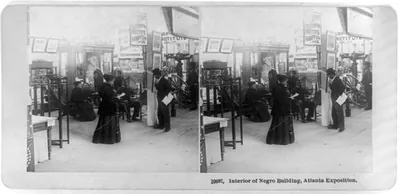 Interior of Negro building Atlanta Exposition (1896)
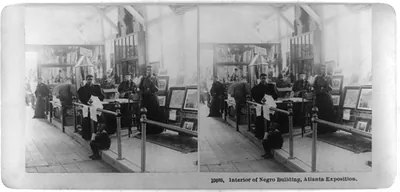 Interior of Negro Building Atlanta Exposition (1896)
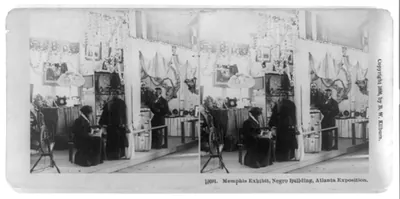 Memphis Exhibit Negro Building Atlanta Exposition (1896)
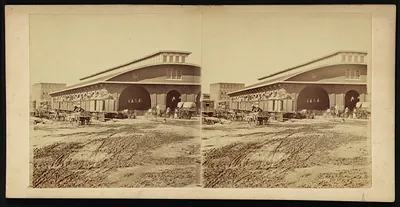 Car shed - Atlanta during last days of occupation by Genl. Shermans Army destroyed (1864)
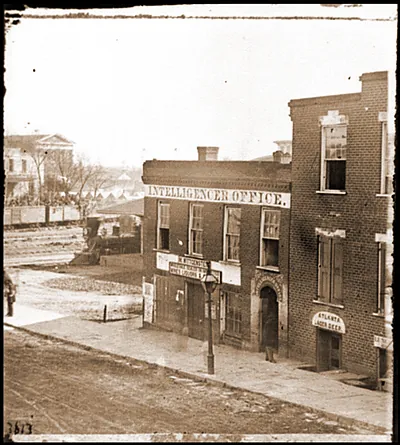 Atlanta Ga. Atlanta Intelligencer office by the railroad depot (1864)
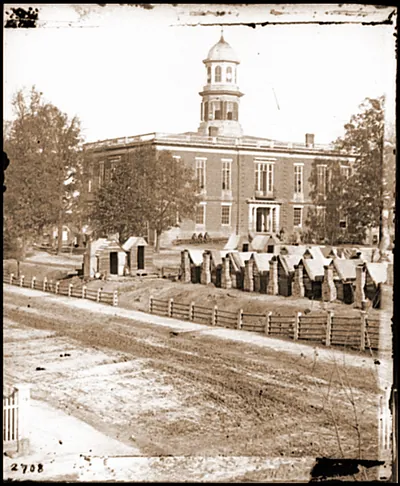 Atlanta Ga. City Hall; camp of 2d Massachusetts Infantry on the grounds (1864)
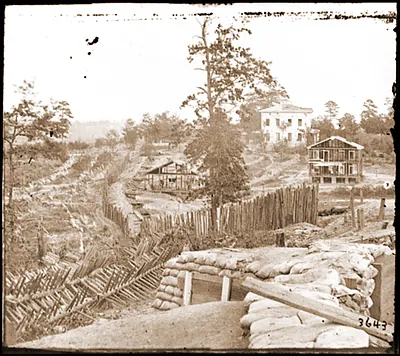 Atlanta Ga. Confederate palisades and chevaux-de-frise near Potter house (1864)
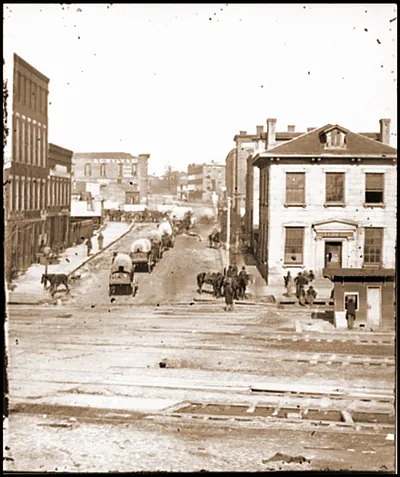 Atlanta Ga. Northward view across the tracks on Whitehall Street with wagon train (1864)
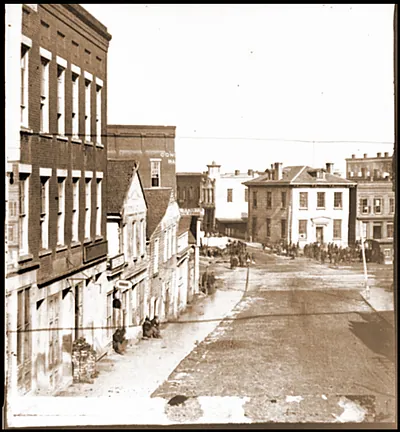 Atlanta Ga. View on Whitehall Street (1864)
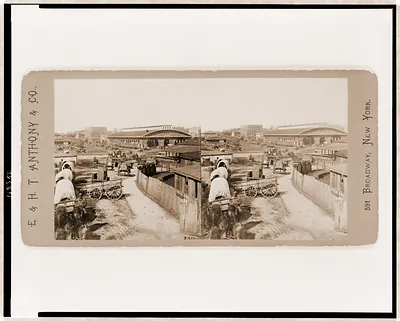 View of railroad depot and surroundings Atlanta Ga. (1864)
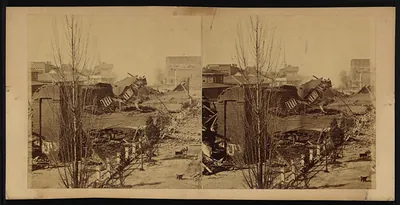 Ruins of the passenger station (car shed) Atlanta Ga. - Nov. 1864 (1864)
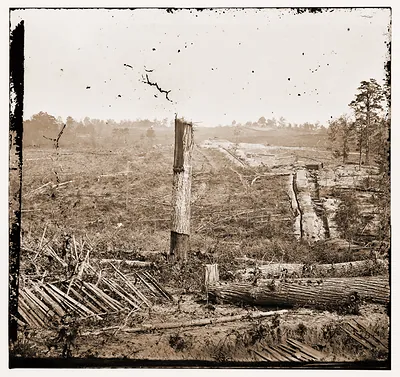 Atlanta Georgia (vicinity). Fortifications (1864)
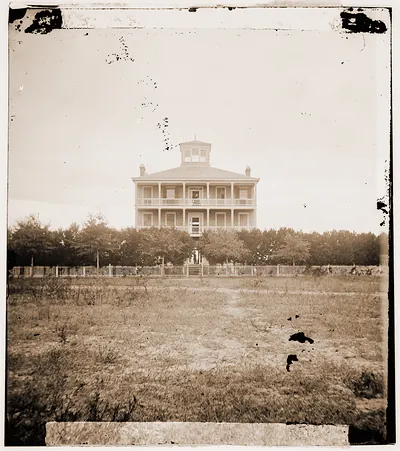 Atlanta Georgia. House (1864)
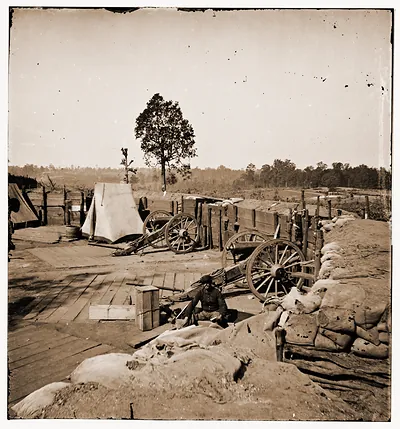 Atlanta Georgia. Confederate fort in front of Atlanta (1864)
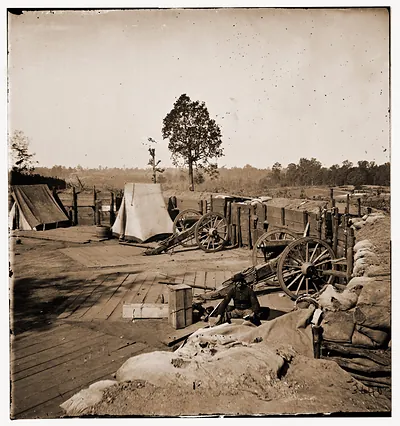 Atlanta Georgia. Confederate fort in front of Atlanta (1864)
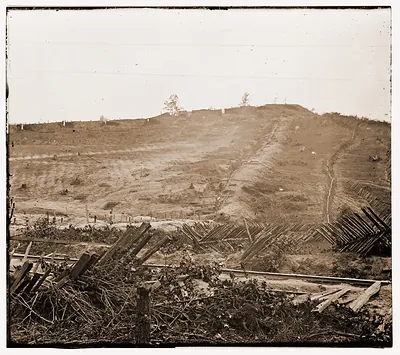 Atlanta Georgia. Confederate fortifications (1864)
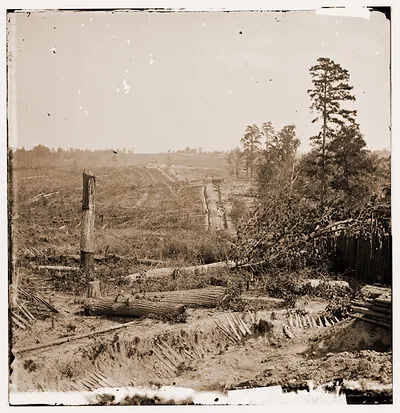 Atlanta Georgia. Fortifications (1864)
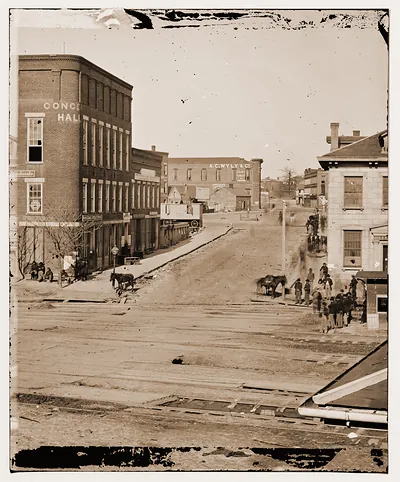 Atlanta Georgia. Northward view across the tracks on Whitehall Street. Concert hall (1864)
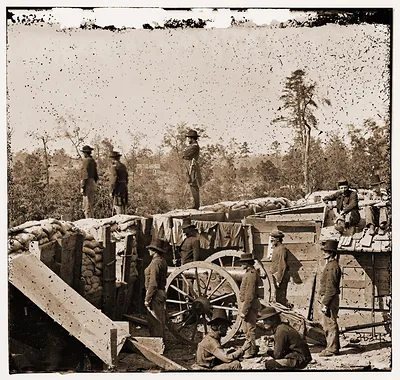 Atlanta Georgia. Shermans men in Confederate fort east of Atlanta (1864)
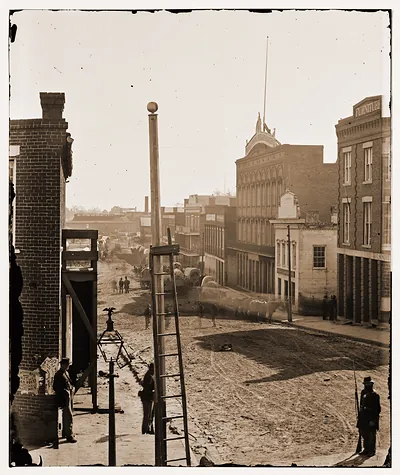 Atlanta Georgia. View on Marietta Street (1864)
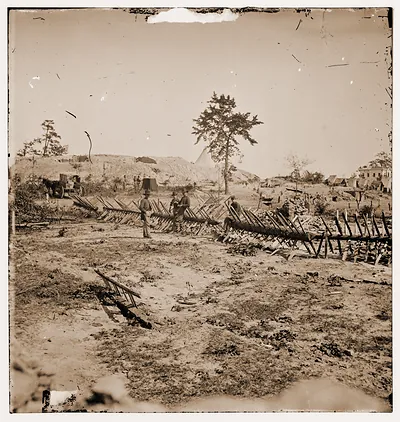 Atlanta Georgia. Confederate fortifications (Shown is George N. Barnard photographe (1864)
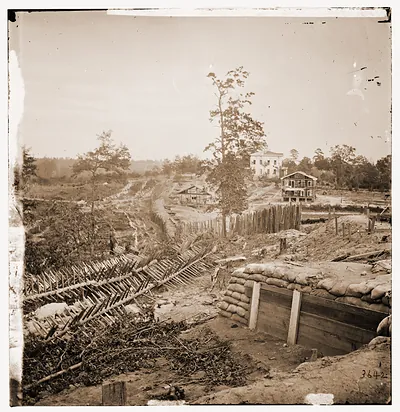 Atlanta Georgia. Confederate fortifications with Potter house in the distance (1864)
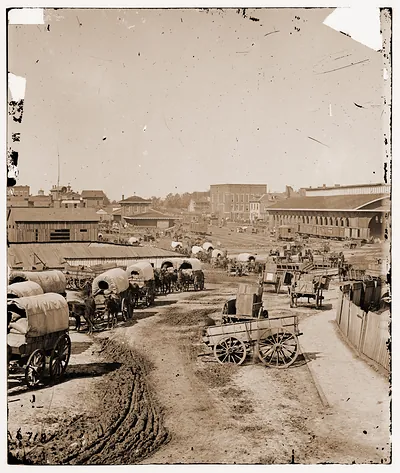 Atlanta Georgia. Federal army wagons railroad depot (1864)
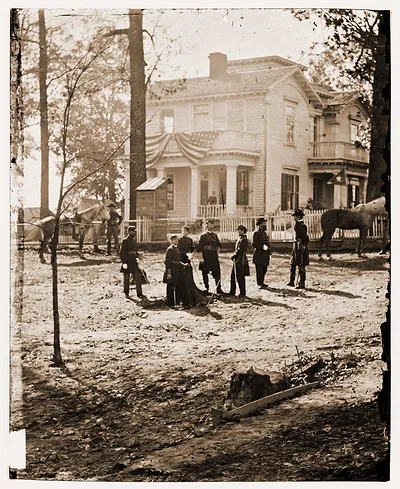 Atlanta Georgia. Federal officers standing in front of house. (Formerly headquarter (1864)
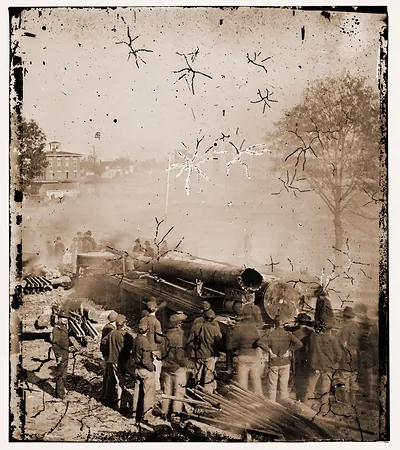 Atlanta Georgia. Shermans men destroying railroad (1864)
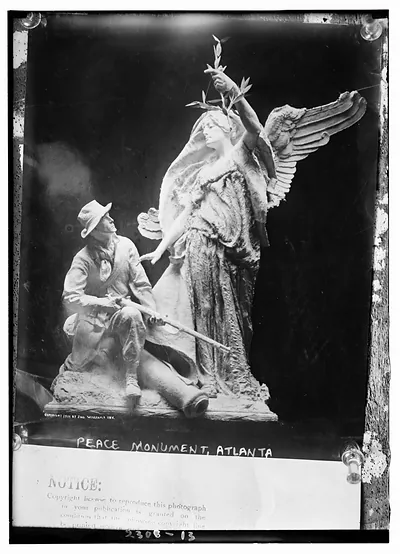 Peace Monument, Atlanta (n/a)
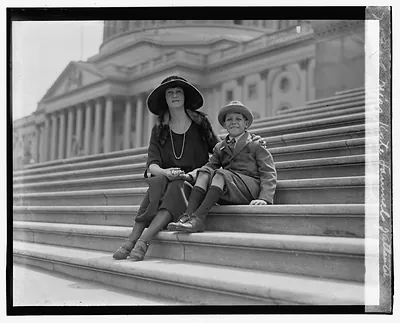 Miss Kate Samuels of Atlanta & Hal Crawford ([1923])
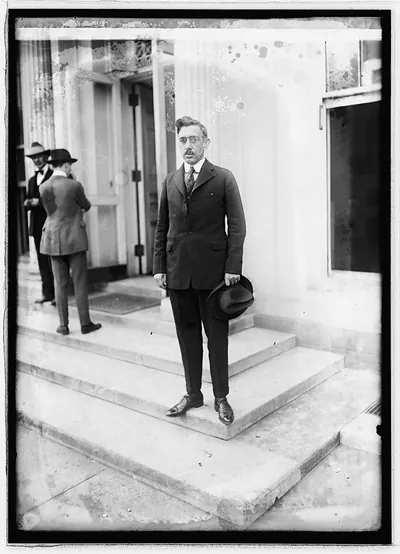 D.K. Roberts, Atlanta, Ga., 3/29/21 ([19]21 March 29.)