Western National Parks
27 historic pictures in the Western National Parks collection, part of Landmarks. Each one can be ordered as a print or licensed, and the collection is a starting point for telling stories about the past.
Open the interactive boardThe idea of a national park came out of the American West, and pictures helped make it happen. Before most Americans could travel west, they saw Yosemite and Yellowstone in photographs and paintings, and those images helped persuade Congress that the places were worth saving.
In the 1860s, Carleton Watkins hauled a huge camera into Yosemite Valley and made large prints of its cliffs and waterfalls. They were shown in the East and drew wide attention. In 1864, President Lincoln signed a law setting aside Yosemite Valley and a grove of giant sequoias to be protected for public use, the first time the federal government had done anything like it.
Yellowstone came next. In 1871, a government survey led by Ferdinand Hayden explored the region, and it brought along the photographer William Henry Jackson and the painter Thomas Moran. Their pictures of geysers, hot springs and canyons were shown to members of Congress. In 1872, Yellowstone became the first national park in the world.
More parks followed, including Yosemite as a full national park in 1890, Mount Rainier, Crater Lake, Glacier and the Grand Canyon. The National Park Service was created in 1916 to run them all. The railroads played a big part. They built lodges and hotels in or near the parks and printed posters, brochures and guidebooks to fill their trains with tourists. The slogan "See America First" was aimed at wealthy travelers who might otherwise go to Europe. Many of the most colorful park images come from that advertising.
When you look at the early photographs, think about what it took to make them. The big cameras of the 1860s and 1870s used glass plates that had to be coated, exposed and developed on the spot, often in a dark tent. Mules carried the gear over rough trails. Every picture was hard won. Notice too how empty the early scenes are. In the later pictures, the visitors start to show up, first in wagons and stagecoaches, then in automobiles.
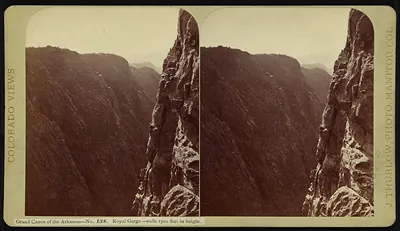 Royal Gorge, Grand Canon of the Arkansas, Colorado Views No. 138
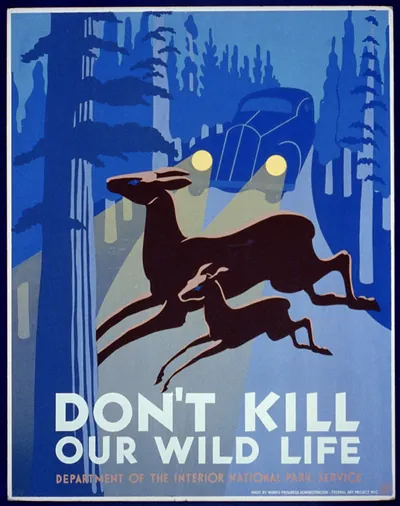 Don't kill our wild life (NYC : Works Progress)
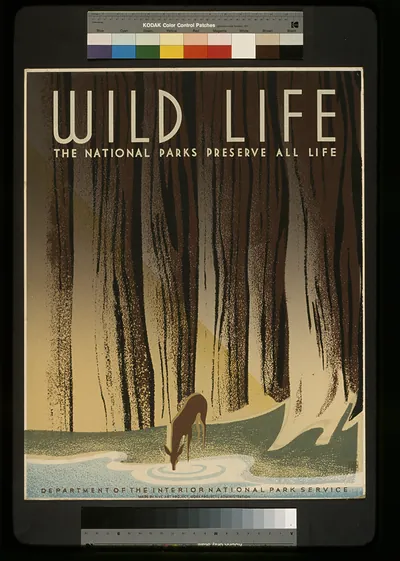 Wild life The national parks preserve all life. (NYC : NYC Art Projec)
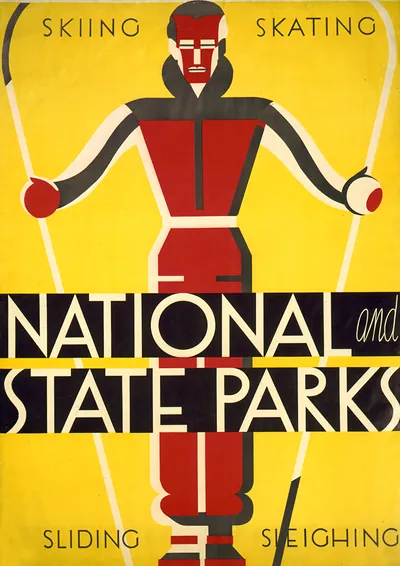 National and state parks, skiing, skating, sliding, sleighing / Dorothy Waugh. ([Washington] : U.S. )
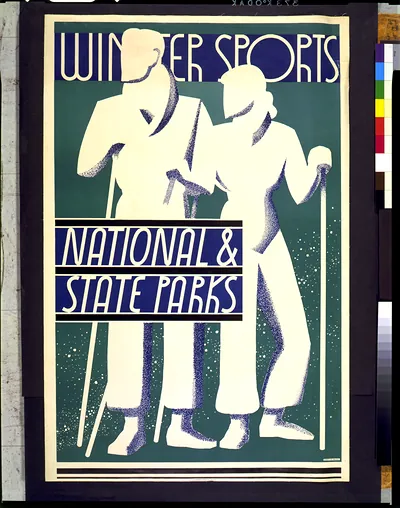 Winter sports, national & state parks / Dorothy Waugh. ([Washington] : U.S. )
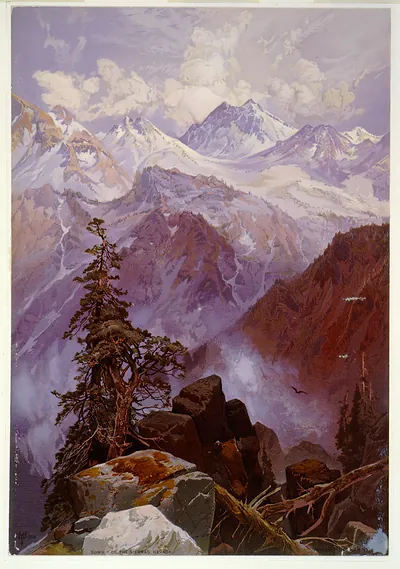 Summit of the Sierras, Nevada / T. Moran ; Prang's American Chromo. (c1875.)
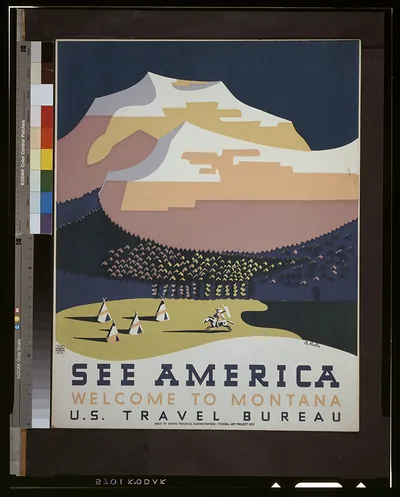 See America Welcome to Montana / R. Halls. (NYC : Works Progress)
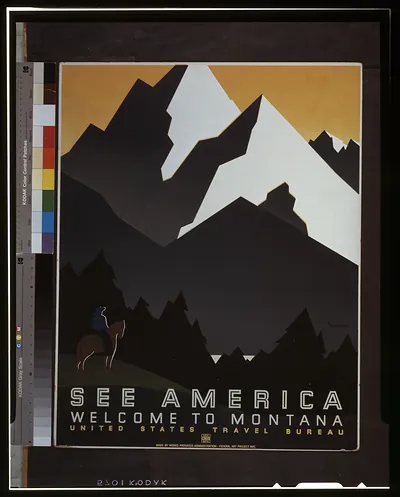 See America Welcome to Montana / M. Weitzman. (NYC : Works Progress)
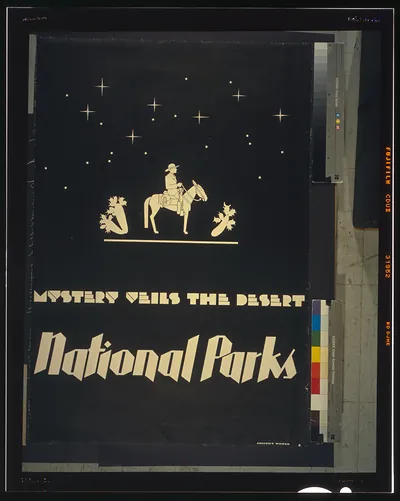 Mystery veils the desert - National parks / Dorothy Waugh. ([between 1930 and 19)
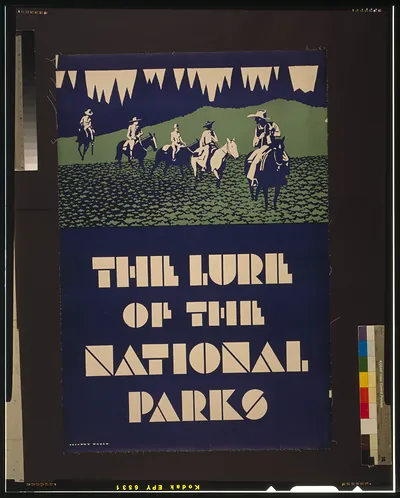 The lure of the national parks / Dorothy Waugh. ([between 1930 and 19)
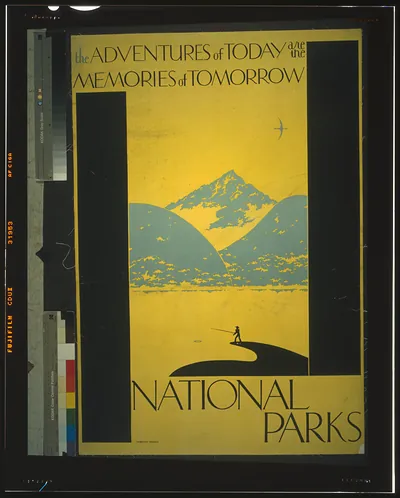 The adventures of today are the memories of tomorrow National Parks. (193?.)
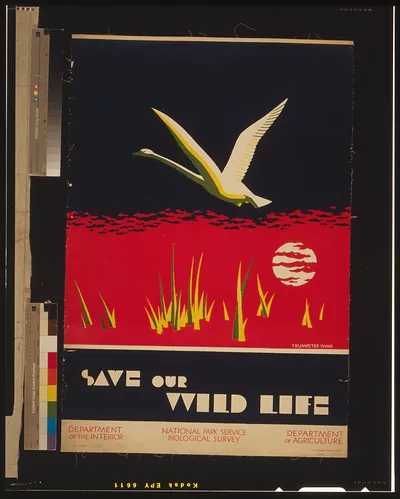 Save our wild life / Dorothy Waugh. ([between 1930 and 19)
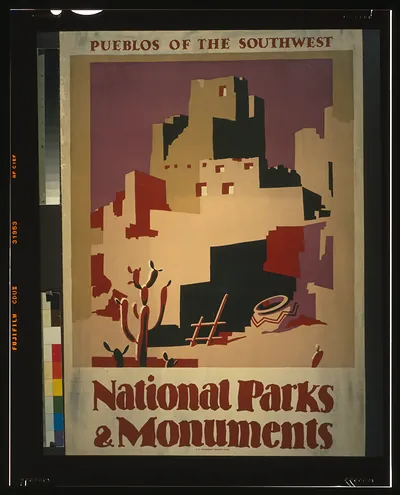 National Parks and Monuments Pueblos of the southwest. (193?.)
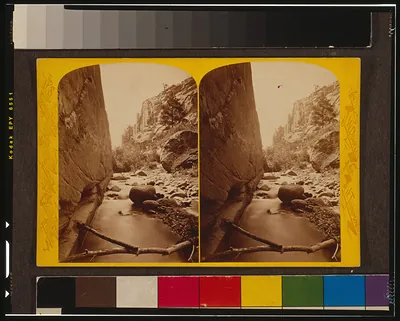 Temple Creek Canon ([United States : pub)
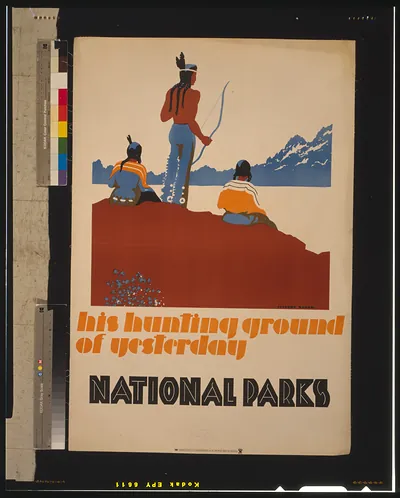 His hunting ground of yesterday, National Parks / Dorothy Waugh. ([between 1930 and 19)
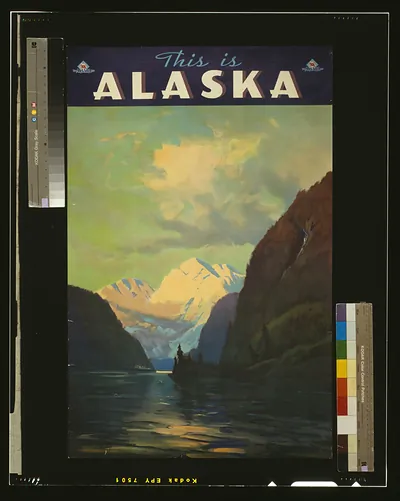 This is Alaska / Sydney Laurence. ([S.l. : s.n., ca. 19)
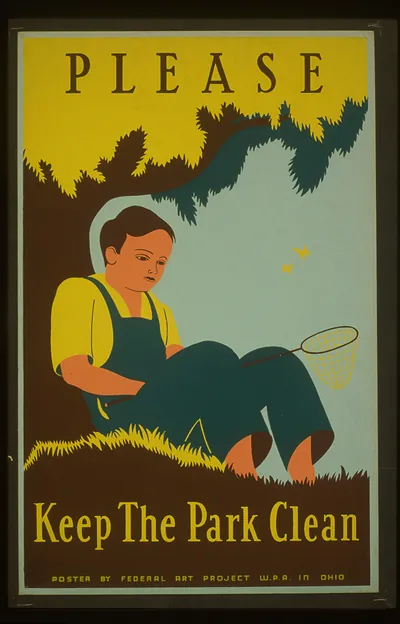 Please keep the park clean (1938)
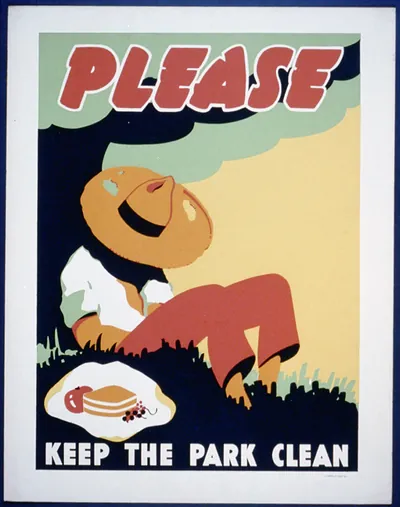 Please keep the park clean (1937)
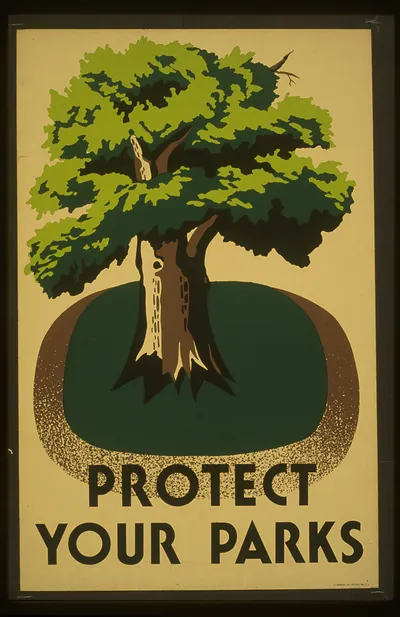 Protect your parks (1938)
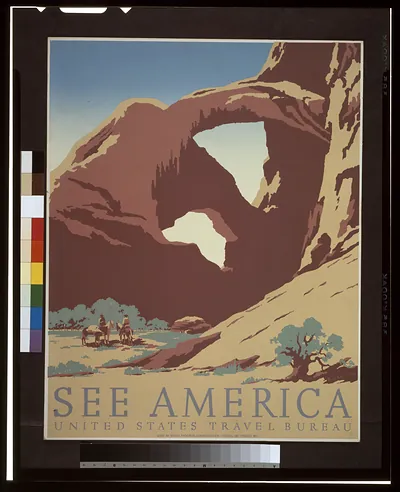 See America / Frank S. Nicholson. (1936)
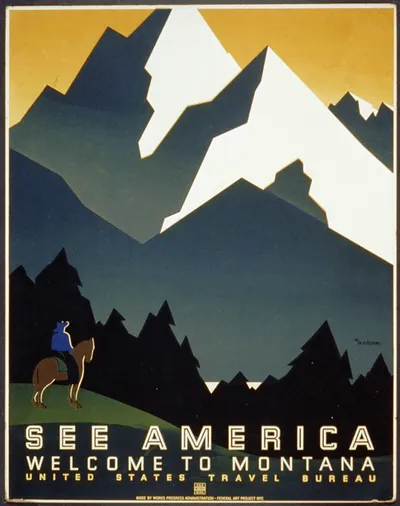 See America Welcome to Montana / M. Weitzman. (1936)
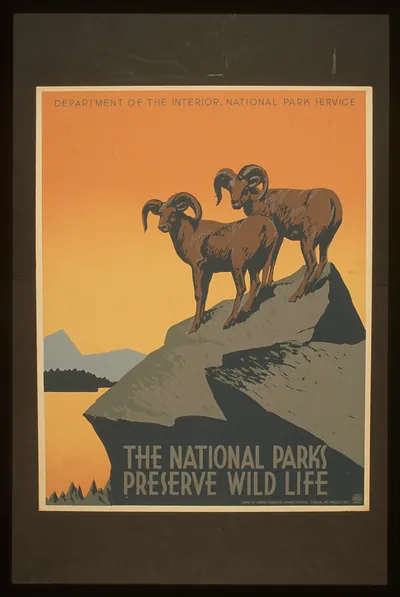 The national parks preserve wild life (1936)
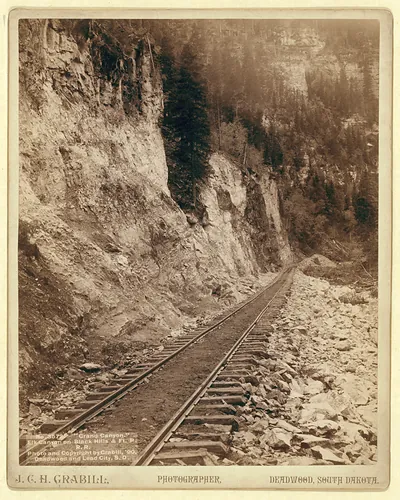 Grand Canyon, Elk Canyon on Black Hills and Ft. P. R.R. railroad track
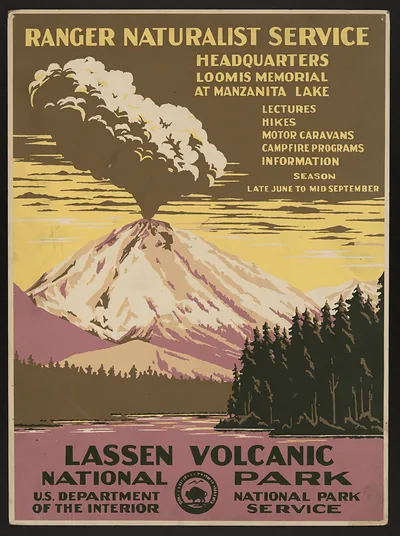 Ranger Naturalist Service Headquarters, Lassen Volcanic National Park
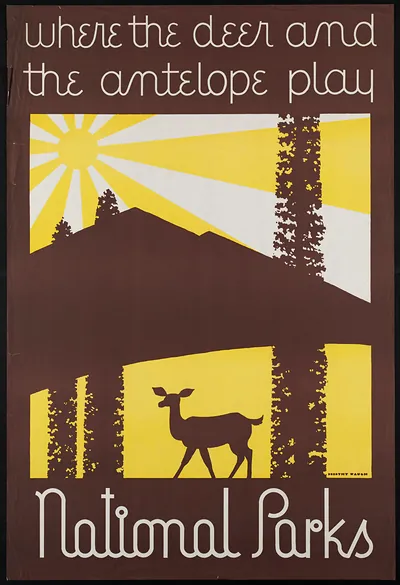 Where the deer and the antelope play. National Parks
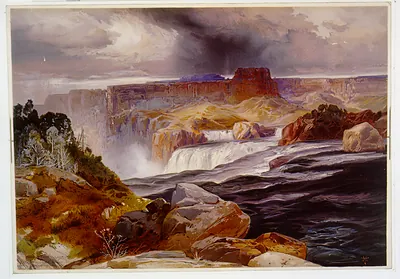 Great Falls of Snake River, Idaho territory / TM ; Prang's American Chromo. (c1876.)
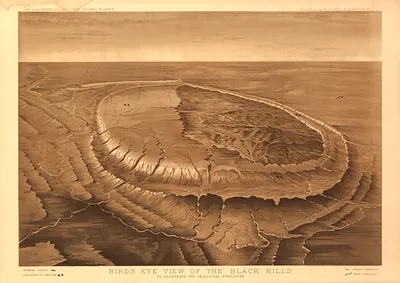 Black Hills