Memorial Day
21 historic pictures in the Memorial Day collection, part of Occasions. Each one can be ordered as a print or licensed, and the collection is a starting point for telling stories about the past.
Open the interactive boardMemorial Day began as Decoration Day, and the name tells you what people did. In the years after the Civil War, families and townspeople went to cemeteries in late spring to lay flowers on the graves of soldiers. The war had killed more Americans than any war before or since, and nearly every town had graves to decorate.
Many places claim to have held the first one. Women in towns across the South decorated Confederate graves in the spring of 1866, and some even earlier. In Charleston, South Carolina, in May 1865, freed Black residents reburied Union prisoners of war who had died there and held a ceremony with a parade and flowers. Waterloo, New York, held a town-wide observance in 1866, and in 1966 the federal government recognized it as the birthplace of the holiday. The honest answer is that the custom grew up in many places at once.
The national version came in 1868, when General John A. Logan, head of the Union veterans' organization called the Grand Army of the Republic, called for graves to be decorated on May 30. That year, crowds gathered at Arlington National Cemetery. Over the following decades, northern states made it a legal holiday, and the name Memorial Day slowly took over. In 1971 the holiday was moved to the last Monday in May, which created the long weekend.
The pictures from the late 1800s and early 1900s show a holiday centered on the veterans. Aging Union soldiers in their GAR uniforms march in parades or stand by the monuments in town squares. Children carry flowers. Graves are covered in small flags. After World War I, the red poppy joined the holiday, inspired by the poem "In Flanders Fields," which describes poppies growing among soldiers' graves in Belgium.
In the parade pictures, look at the ages of the marchers. Union veterans grow older and fewer from one decade to the next. By the 1920s and 1930s, the men of World War I and the Spanish-American War are marching beside the last of them.
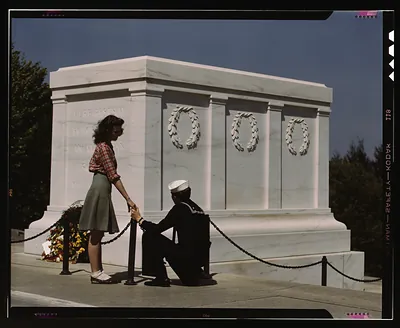 Sailor and young woman at the Tomb of the Unknown Soldier
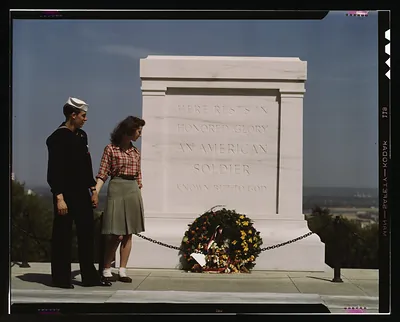 Sailor and woman at the Tomb of the Unknown Soldier
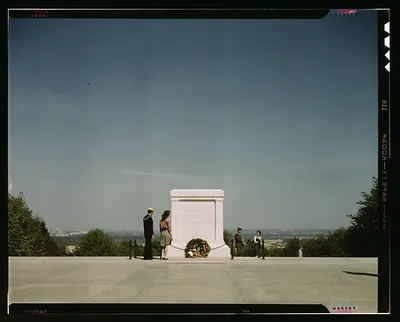 Sailor and girl at the Tomb of the Unknown Soldier, Washington, D.C
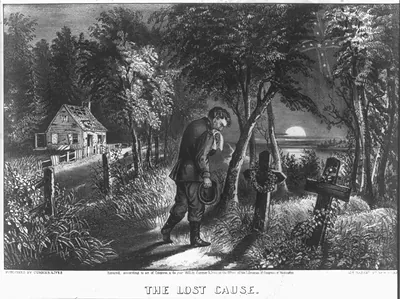 The lost cause (New York : Published)
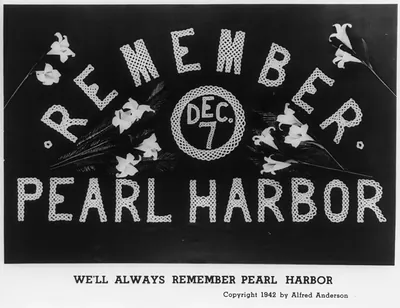 [2 patriotic slogans c1942 by Alfred Anderson: We'll always remember Pearl Harbor"; same a
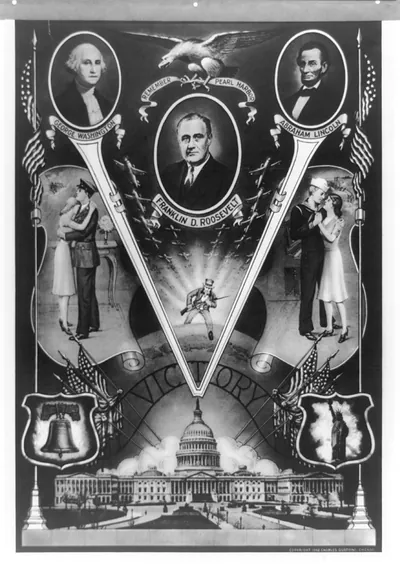 Remember Pearl Harbor (c1942.)
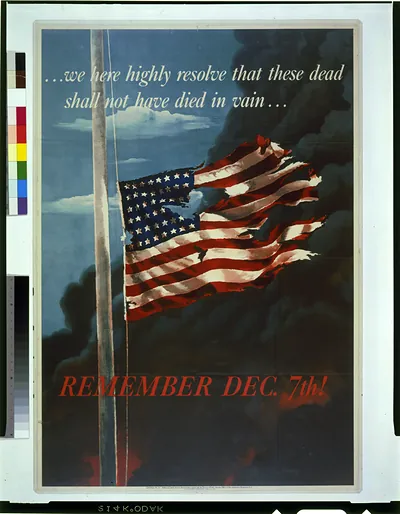 Remember Dec. 7th! / Allen Saalburg. (Washington, D.C. : O)
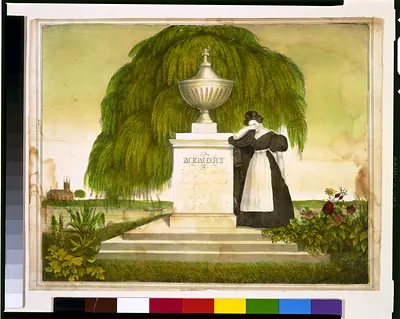 [Woman mourning by tomb with inscription, to the memory of Capt. John Williams (LC-USZC4-1840 (color)
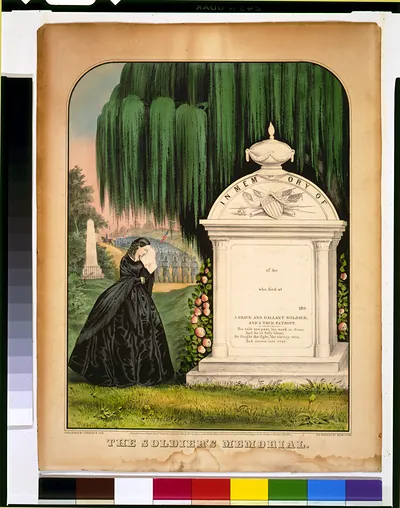 The soldier's memorial (New York : Published)
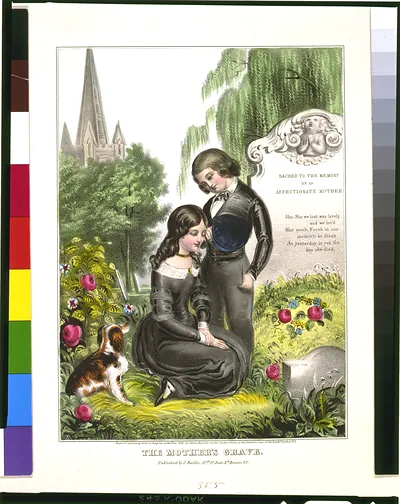 The mother's grave (N.Y. : Published by )
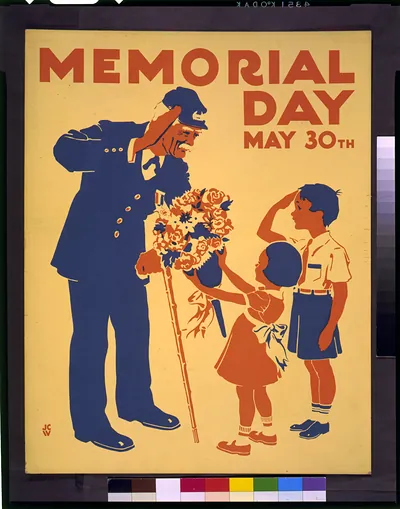 Memorial Day, May 30th / JCW. ([New York : Federal )
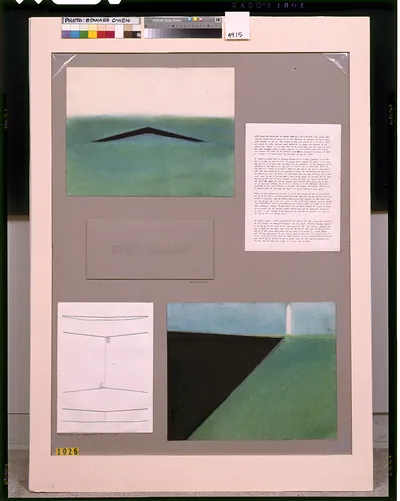 [Vietnam Veterans Memorial. Competition drawing] ([1980 or 1981])
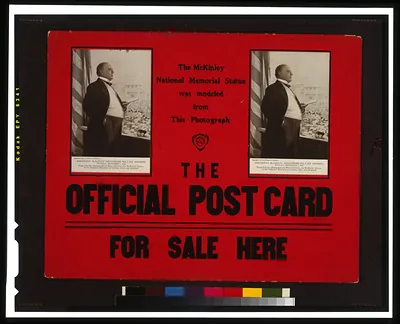 The McKinley national memorial statue was modeled from this photograph The official post c (c1907.)
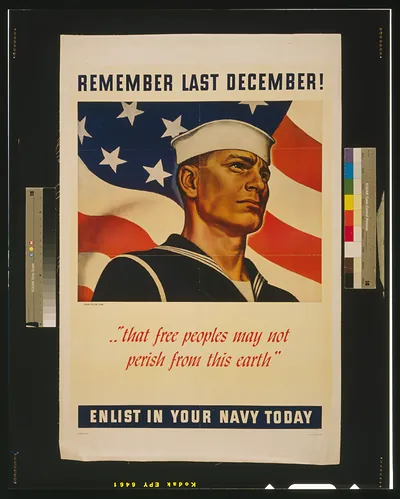 Remember last December! - that free peoples may not perish from this earth" Enlist in your ([19]42.)
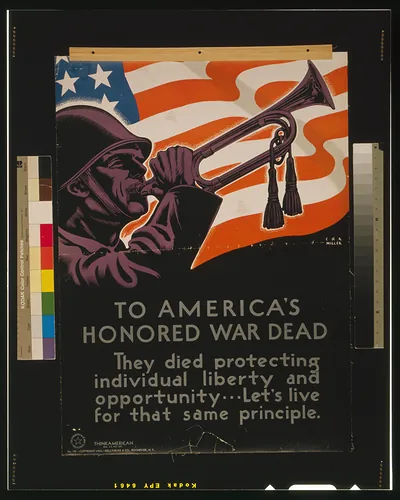 To America's honored war dead - They died protecting individual liberty and opportunity .. (c1943.)
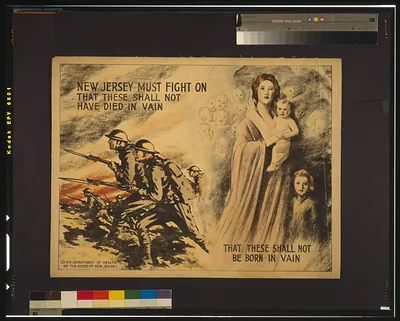 New Jersey must fight on that these shall not have died in vain - that these shall not be (c1919.)
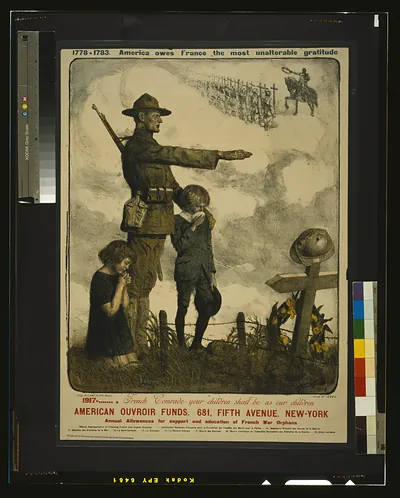 America owes France the most unalterable gratitude
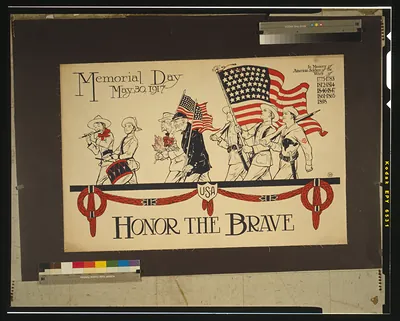 Honor the brave Memorial Day, May 30, 1917. (1917)
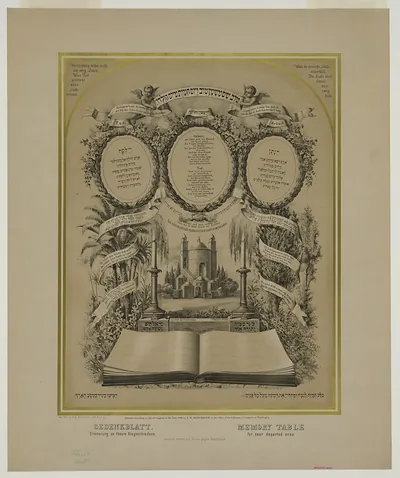 Memory table: Gedenkblatt, Erinnerung an theure Hingeschiedene
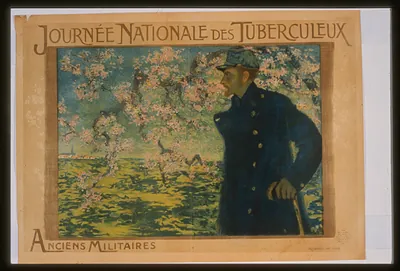 Journeacute Nationale des Tuberculeux. Anciens Militaires (1917)
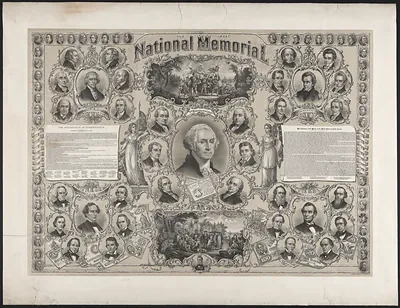 The Great National Memorial engraved portrait print