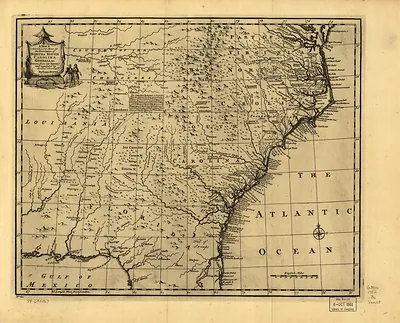
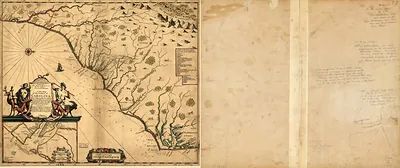
np000151 The eagle map of the United States 1832-3 – Historic Map Reproduction

(Each image is professionally and digitally cleaned of artifacts such as color bars and extra borders prior to printing.)
Description
Few images capture their era like this antique map of np000151 The eagle map of the United States 1832-3. It is part of the Snapshots of the Past archive, gathered over 25 years of research.
Order it framed and ready to hang, or unframed to match a frame you already love. It brings character to any room and makes a memorable gift. Free shipping in the lower 48 states. Snapshots of the Past, founded in 2001, has served tens of thousands of customers worldwide.
np000151 The eagle map of the United States 1832-3
Order a print
Thank you. Your order went through, and a receipt is on its way by email.
Secure checkout · SSL encryptedPowered by Stripe and PayPal
Free shipping in the lower 48 states. The checkout page shows the picture, size and price before you pay.
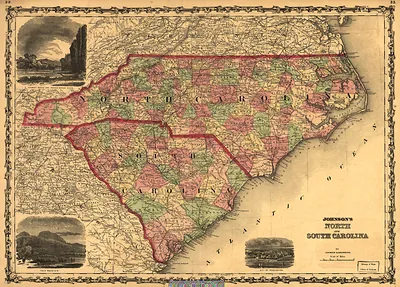
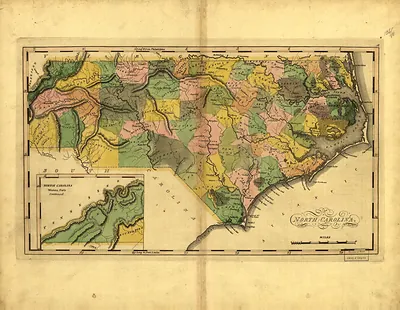
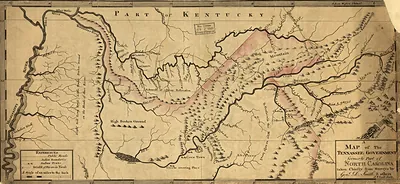
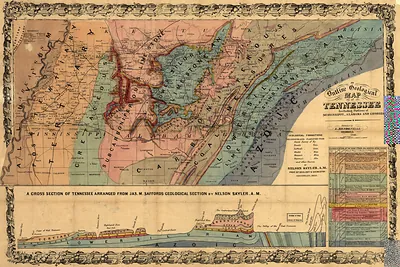
Rather than a view of the mountains, this is a map of the entire United States from 1832-3, where the Great Smoky Mountains appear only as one small feature of the southern Appalachians. The eagle in its title refers to the national emblem, a decorative motif that many American maps of the period used to present the young country as a single, bounded whole. The date falls during a turbulent stretch for the Southeast, when the federal Indian Removal Act of 1830 was being enforced and Cherokee lands in the region faced intense pressure from settlers. For anyone interested in the Smokies, the map is most useful as a record of how the region was understood on paper at the time.
| Original scan | 6,404 × 5,120 px · prints to 21 × 17 in at 300 dpi |
|---|---|
| Reference | np000151 The eagle map of the United States 1832-3 |
More from the Great Smoky Mountains collection
Snapshots of the Past helps heritage brands, museums, historians and storytellers tell stories with history: historic prints, image licensing and historical storytelling drawn from more than 25 years of research and curation.