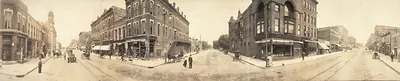
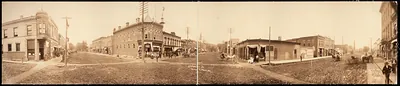
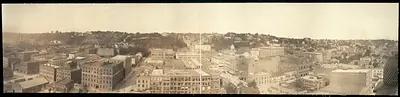
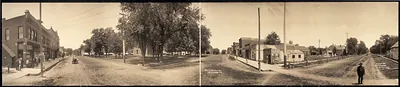
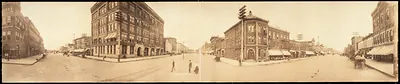
A Ft Dodge, Iowa, 1907 – Vintage Wall Art

(Each image is professionally and digitally cleaned of artifacts such as color bars and extra borders prior to printing.)
Description
This historic image of A Ft Dodge, Iowa, 1907 brings a moment of history to your wall. Drawn from the Snapshots of the Past archive, it is an authentic piece of documented history.
Order it framed and ready to hang, or unframed to match a frame you already love. It makes a striking addition to a living room, study or office, and a thoughtful gift. Free shipping in the lower 48 states. Since 2001, Snapshots of the Past has shipped historic prints to tens of thousands of customers around the world.
A Ft Dodge, Iowa, 1907
Order a print
Thank you. Your order went through, and a receipt is on its way by email.
Secure checkout · SSL encryptedPowered by Stripe and PayPal
Free shipping in the lower 48 states. The checkout page shows the picture, size and price before you pay.
Fort Dodge, the seat of Webster County in north-central Iowa, sat on the Des Moines River in 1907 and took its name from an army post established on the site in 1850 and abandoned a few years later. By the early 1900s the town's economy rested on railroads and on the gypsum beds beneath the surrounding land, which supplied plaster and cement works and gave the community a manufacturing base beyond farming. Several rail lines converged there, moving grain, livestock, and finished goods out of the county, and the courthouse and county offices made the town the center of local politics and legal business. Residents of the period would have known Fort Dodge as a busy county town where the river, the rail yards, and the gypsum plants shaped daily life.
| Created / published | 1907 |
|---|---|
| Notes | Panoramic photograph. |
| Subjects | Panoramic photographs--Iowa |
| Original scan | 5,400 × 1,126 px · prints to 18 × 4 in at 300 dpi |
| Reference | IA A Ft Dodge 1907 |
More from the Panoramic Photos collection
Snapshots of the Past helps heritage brands, museums, historians and storytellers tell stories with history: historic prints, image licensing and historical storytelling drawn from more than 25 years of research and curation.