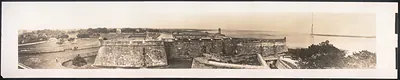
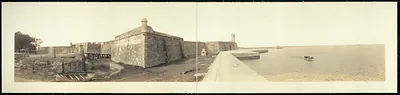
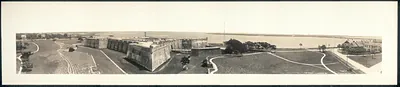
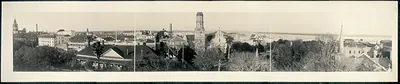
Fort Marion St. Augustine, Florida, 1912 – Vintage Photo Print

(Each image is professionally and digitally cleaned of artifacts such as color bars and extra borders prior to printing.)
Description
A window into the past: Fort Marion St. Augustine, Florida, 1912, preserved in this historic image. Drawn from the Snapshots of the Past archive, it is an authentic piece of documented history.
Order it framed and ready to hang, or unframed to match a frame you already love. It makes a striking addition to a living room, study or office, and a thoughtful gift. Free shipping in the lower 48 states. Snapshots of the Past has been bringing history to the wall since 2001, for tens of thousands of customers worldwide.
Fort Marion St. Augustine, Florida, 1912
Order a print
Thank you. Your order went through, and a receipt is on its way by email.
Secure checkout · SSL encryptedPowered by Stripe and PayPal
Free shipping in the lower 48 states. The checkout page shows the picture, size and price before you pay.
In 1912, St. Augustine, Florida, was a small town whose waterfront was still dominated by the old Castillo de San Marcos, which Spain began building in 1672. The fort passed through several flags: Britain held it from 1763 to 1783, and the United States took control after Florida was transferred in 1821. The American garrison renamed it Fort Marion in 1825, honoring Francis Marion, the South Carolina partisan leader of the Revolution. Residents in 1912 knew the fortress as a symbol of the town's layered past, and it remained under army care on its federal grounds.
| Created / published | 1912 |
|---|---|
| Notes | Panoramic photograph. |
| Subjects | Panoramic photographs--Florida |
| Original scan | 5,400 × 1,554 px · prints to 18 × 5 in at 300 dpi |
| Reference | FL Fort Marion St. Augustine 1912 |
More from the Panoramic Photos collection
Snapshots of the Past helps heritage brands, museums, historians and storytellers tell stories with history: historic prints, image licensing and historical storytelling drawn from more than 25 years of research and curation.