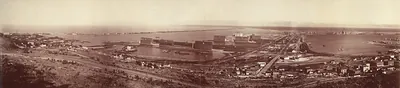
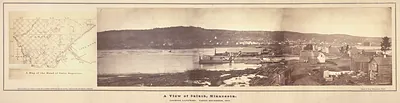
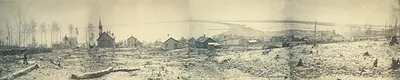
Duluth late 1800s, Minnesota – Antique Photo Print

(Each image is professionally and digitally cleaned of artifacts such as color bars and extra borders prior to printing.)
Description
A window into the past: Duluth late 1800s, Minnesota, preserved in this historic image. It comes from the Snapshots of the Past collection, curated over 25 years for its historical value.
Order it framed and ready to hang, or unframed to match a frame you already love. A fine choice for anyone who loves history, and a gift that gets noticed. Free shipping in the lower 48 states. Snapshots of the Past, founded in 2001, has served tens of thousands of customers worldwide.
Duluth late 1800s, Minnesota
Order a print
Thank you. Your order went through, and a receipt is on its way by email.
Secure checkout · SSL encryptedPowered by Stripe and PayPal
Free shipping in the lower 48 states. The checkout page shows the picture, size and price before you pay.
Duluth, Minnesota, in the late 1800s was a Lake Superior port that grew fast on the back of railroads, lumber, and grain. The Northern Pacific Railway had reached the city by 1870, and its tracks carried timber, flour, and grain down to ships and elevators along the harbor. After iron ore was found on the Mesabi Range in 1890, Duluth became one of the main shipping points for that ore, and its docks grew busy with ore boats. The Panic of 1893 brought layoffs and hard times, and the city's population stayed unsettled for years afterward. Residents of the period knew Duluth as a rough, ambitious harbor town, built on steep hills above the lake.
| Notes | Panoramic photograph. |
|---|---|
| Subjects | Panoramic photographs--Minnesota |
| Original scan | 4,464 × 430 px · prints to 15 × 1 in at 300 dpi |
| Reference | MN Duluth late 1800s |
More from the Panoramic Photos collection
Snapshots of the Past helps heritage brands, museums, historians and storytellers tell stories with history: historic prints, image licensing and historical storytelling drawn from more than 25 years of research and curation.