Duluth December 1870a, Minnesota – Vintage Photo Print

(Each image is professionally and digitally cleaned of artifacts such as color bars and extra borders prior to printing.)
Description
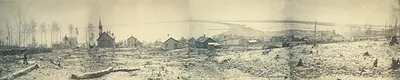
This historic image of Duluth December 1870a, Minnesota brings a moment of history to your wall. Drawn from the Snapshots of the Past archive, it is an authentic piece of documented history.
Order it framed and ready to hang, or unframed to match a frame you already love. It makes a striking addition to a living room, study or office, and a thoughtful gift. Free shipping in the lower 48 states. Since 2001, Snapshots of the Past has shipped historic prints to tens of thousands of customers around the world.
Duluth December 1870a, Minnesota
Order a print
Thank you. Your order went through, and a receipt is on its way by email.
Secure checkout · SSL encryptedPowered by Stripe and PayPal
Free shipping in the lower 48 states. The checkout page shows the picture, size and price before you pay.
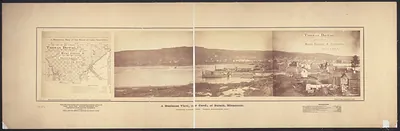
Duluth, Minnesota, in December 1870 was a raw lake port at the western tip of Lake Superior, still young after its 1856 founding and dependent on lumber and shipping. That fall the Lake Superior and Mississippi Railroad was completed to St. Paul, giving the town its first direct rail link to the Twin Cities and the wider country, and the arrival of that line raised hopes of a boom. Lumber mills, docks, and the grain and goods moving through the harbor shaped the town's daily life, while the approaching winter closed the lake to navigation and left residents waiting for spring. Many of the people here had come west chasing land and work, and they expected Duluth to become a major Great Lakes city, a hope that the financial panic of 1873 would soon test.
| Notes | Panoramic photograph. |
|---|---|
| Subjects | Panoramic photographs--Minnesota |
| Original scan | 9,032 × 2,328 px · prints to 30 × 8 in at 300 dpi |
| Reference | MN Duluth December 1870a |
More from the Panoramic Photos collection
Snapshots of the Past helps heritage brands, museums, historians and storytellers tell stories with history: historic prints, image licensing and historical storytelling drawn from more than 25 years of research and curation.