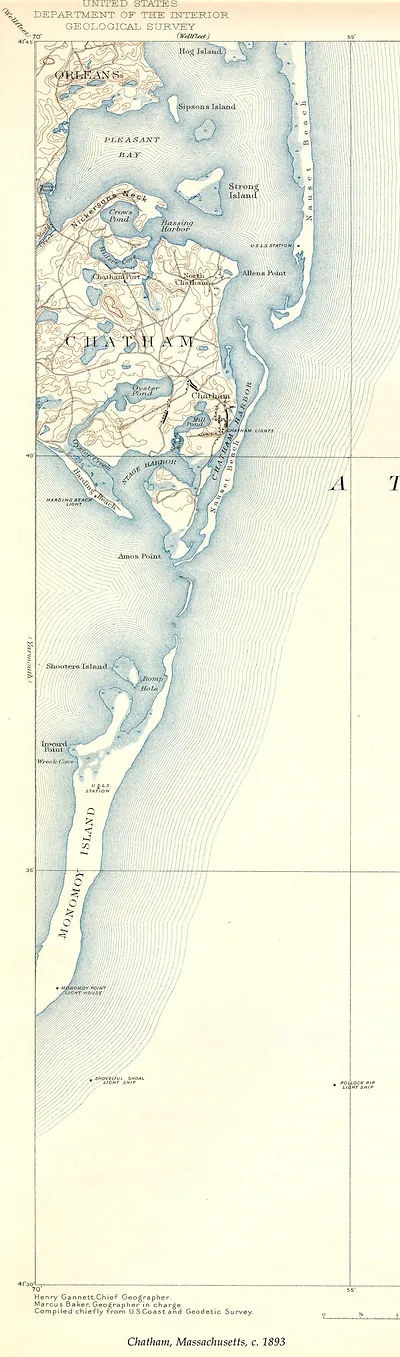
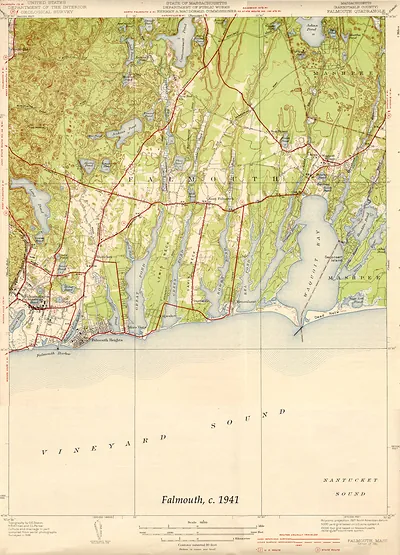
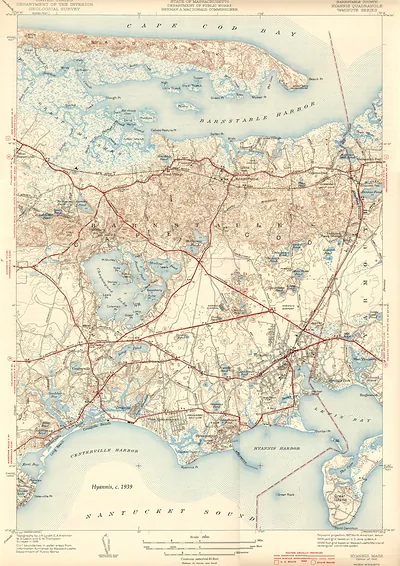
Chatham USGS, Massachusetts, 1917 – Antique Wall Map

(Each image is professionally and digitally cleaned of artifacts such as color bars and extra borders prior to printing.)
Description
This rare antique map captures Chatham USGS, Massachusetts, 1917 in remarkable detail. It comes from the Snapshots of the Past collection, curated over 25 years for its historical value.
Framed, it is ready for the wall; unframed, it is ready for the frame you choose. A fine choice for anyone who loves history, and a gift that gets noticed. Free shipping in the lower 48 states. Snapshots of the Past, founded in 2001, has served tens of thousands of customers worldwide.
Chatham USGS, Massachusetts, 1917
Order a print
Thank you. Your order went through, and a receipt is on its way by email.
Secure checkout · SSL encryptedPowered by Stripe and PayPal
Free shipping in the lower 48 states. The checkout page shows the picture, size and price before you pay.
In 1917, Chatham was a Cape Cod harbor town that had just been pulled into the First World War. After the United States entered the war in April, the Navy set up a seaplane station nearby to patrol the coast against submarines, and local men and boys found work on the base, in the fish houses, and in the coastal trades that still kept the village going. Fishing, cranberry growing, and the summer visitors who filled the town's boarding houses each season supplied most of the local living. Residents would have known Chatham as a place where war news came in by mail and telegraph, and where the sea that had always fed the town now also watched for enemy ships.
| Created / published | 1917 |
|---|---|
| Notes | Bird's-eye view map. |
| Subjects | Panoramic maps--Massachusetts |
| Original scan | 4,200 × 12,667 px · prints to 14 × 42 in at 300 dpi |
| Reference | MA-Chatham USGS 1917 |
More from the Panoramic Maps collection
Snapshots of the Past helps heritage brands, museums, historians and storytellers tell stories with history: historic prints, image licensing and historical storytelling drawn from more than 25 years of research and curation.