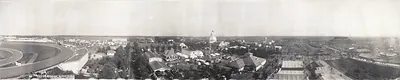
Minnehaha Falls, Minnesota, 1906 – Historic Photograph Print

(Each image is professionally and digitally cleaned of artifacts such as color bars and extra borders prior to printing.)
Description
A window into the past: Minnehaha Falls, Minnesota, 1906, preserved in this historic image. It is part of the Snapshots of the Past archive, gathered over 25 years of research.
Choose the framed print, ready to hang the day it arrives, or the unframed print for a frame of your own. Perfect for a home, office, library or classroom wall, and a gift with a story behind it. Free shipping in the lower 48 states. Snapshots of the Past, founded in 2001, has served tens of thousands of customers worldwide.
Minnehaha Falls, Minnesota, 1906
Order a print
Thank you. Your order went through, and a receipt is on its way by email.
Secure checkout · SSL encryptedPowered by Stripe and PayPal
Free shipping in the lower 48 states. The checkout page shows the picture, size and price before you pay.
In 1906, Minnehaha Falls was one of the best-known sights in Minneapolis, a park on Minnehaha Creek where the stream drops about 53 feet into the gorge before reaching the Mississippi. The falls had gained national fame through Longfellow's 1855 poem *The Song of Hiawatha*, and visitors came by streetcar from the city's growing neighborhoods to walk the paths and see the water. Minneapolis itself was then a major flour-milling center powered by the river, and its mills and railroads drew workers and new residents from across the Midwest and Scandinavia. Through the Minneapolis Park Board, the city had been setting aside land like this for picnics, boating, and Sunday outings, a civic habit that reflected a city proud of its growth.
| Created / published | 1906 |
|---|---|
| Notes | Panoramic photograph. |
| Subjects | Panoramic photographs--Minnesota |
| Original scan | 4,728 × 1,998 px · prints to 16 × 7 in at 300 dpi |
| Reference | MN Minnehaha Falls 1906 |
More from the Panoramic Photos collection
Snapshots of the Past helps heritage brands, museums, historians and storytellers tell stories with history: historic prints, image licensing and historical storytelling drawn from more than 25 years of research and curation.