Lincoln the Rail Splitter – Historic Print

(Each image is professionally and digitally cleaned of artifacts such as color bars and extra borders prior to printing.)
Description
A window into the past: Lincoln the Rail Splitter, preserved in this historic image. It is part of the Snapshots of the Past archive, gathered over 25 years of research.
Order it framed and ready to hang, or unframed to match a frame you already love. Perfect for a home, office, library or classroom wall, and a gift with a story behind it. Free shipping in the lower 48 states. Snapshots of the Past, founded in 2001, has served tens of thousands of customers worldwide.
Lincoln the Rail Splitter
Order a print
Thank you. Your order went through, and a receipt is on its way by email.
Secure checkout · SSL encryptedPowered by Stripe and PayPal
Free shipping in the lower 48 states. The checkout page shows the picture, size and price before you pay.
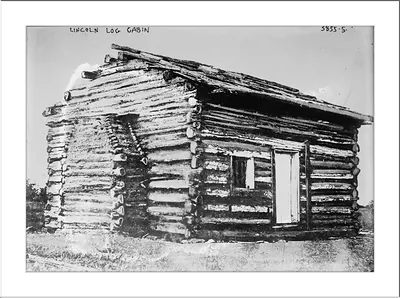
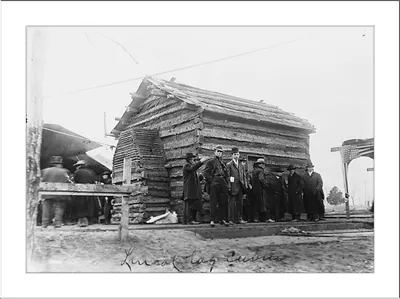
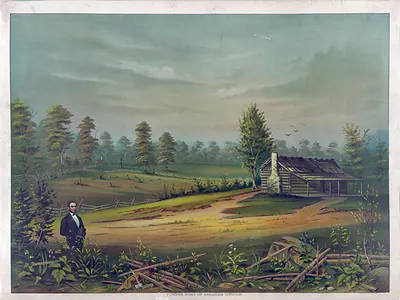
Lincoln the Rail Splitter takes its name from the nickname that followed Abraham Lincoln into the 1860 presidential campaign, when supporters promoted his youthful work splitting fence rails as a symbol of hard labor and self-reliance. The memorial's grounds in southern Indiana recall the years from 1816 to 1830, when Lincoln grew from a boy into a young man on the family farm, where clearing land and splitting rails were everyday work. The image links that frontier boyhood to the political myth that grew up around it. Viewers today can read it both as a portrait of a man and as a piece of campaign storytelling from the Civil War era.
| Original scan | 1,150 × 1,396 px · prints to 4 × 5 in at 300 dpi |
|---|---|
| Reference | L-F-9 |
More from the More National Park Sites collection
Snapshots of the Past helps heritage brands, museums, historians and storytellers tell stories with history: historic prints, image licensing and historical storytelling drawn from more than 25 years of research and curation.