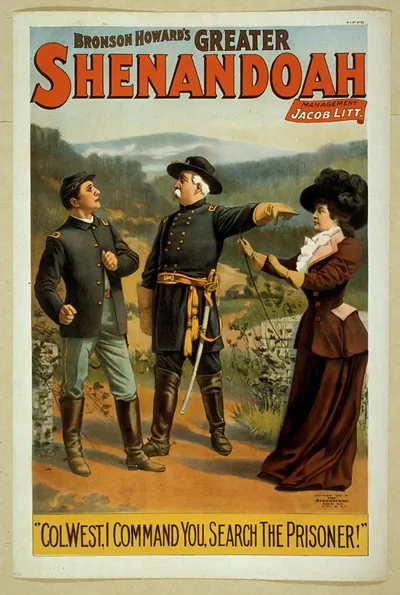
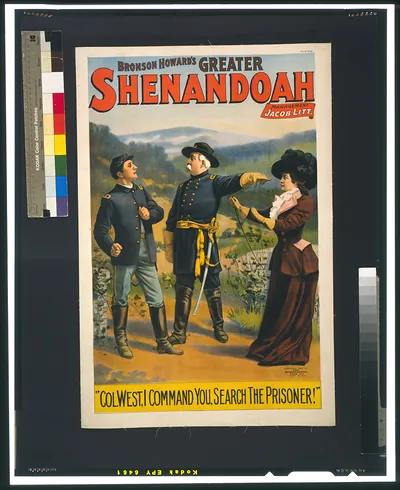
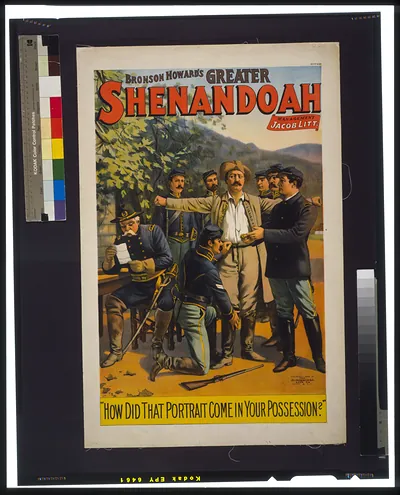
Greater Shenandoah theatre poster: How Did That Portrait Come In Your Possession? – Historic Poster Reproduction

(Each image is professionally and digitally cleaned of artifacts such as color bars and extra borders prior to printing.)
Description
A window into the past: Greater Shenandoah theatre poster: How Did That Portrait Come In Your Possession?, preserved in this vintage poster. Drawn from the Snapshots of the Past archive, it is an authentic piece of documented history.
The framed print arrives ready to hang; the unframed option suits custom framing. It brings character to any room and makes a memorable gift. Free shipping in the lower 48 states. Since 2001, Snapshots of the Past has shipped historic prints to tens of thousands of customers around the world.
Greater Shenandoah theatre poster: How Did That Portrait Come In Your Possession?
Order a print
Thank you. Your order went through, and a receipt is on its way by email.
Secure checkout · SSL encryptedPowered by Stripe and PayPal
Free shipping in the lower 48 states. The checkout page shows the picture, size and price before you pay.
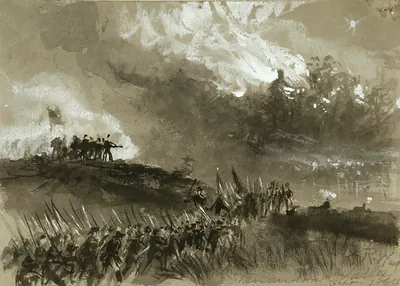
The poster's headline, "How Did That Portrait Come In Your Possession?", reads like a line from a stage melodrama, and the Shenandoah name points to the Shenandoah Valley, a region that was a battleground through much of the Civil War. Many touring dramas of the late 1800s used the Civil War as a backdrop, mixing divided loyalties, lost keepsakes and sudden revelations to hold audiences. Bronson Howard's play *Shenandoah*, a well-known wartime drama of the 1880s, is one example of the genre that drew large crowds on the road. Posters like this one were meant to be read from a distance, so their bold type and dramatic questions did much of the selling.
| Original scan | 2,082 × 3,072 px · prints to 7 × 10 in at 300 dpi |
|---|---|
| Reference | 1023u |
More from the Virginia collection
Snapshots of the Past helps heritage brands, museums, historians and storytellers tell stories with history: historic prints, image licensing and historical storytelling drawn from more than 25 years of research and curation.