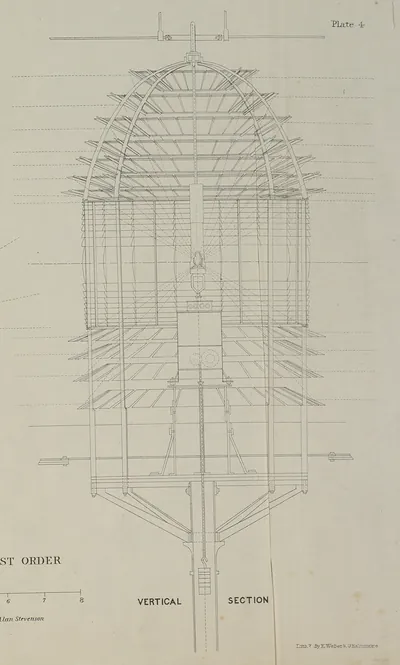
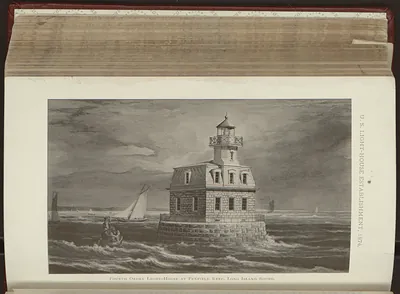
Section of Lenticular Light of the 4th Order with Lantern – Antique Wall Art

(Each image is professionally and digitally cleaned of artifacts such as color bars and extra borders prior to printing.)
Description
Section of Lenticular Light of the 4th Order with Lantern comes to life in this historic image, reproduced from the original with every detail intact. It is part of the Snapshots of the Past archive, gathered over 25 years of research.
Framed, it is ready for the wall; unframed, it is ready for the frame you choose. It brings character to any room and makes a memorable gift. Free shipping in the lower 48 states. Snapshots of the Past has been bringing history to the wall since 2001, for tens of thousands of customers worldwide.
Section of Lenticular Light of the 4th Order with Lantern
Order a print
Thank you. Your order went through, and a receipt is on its way by email.
Secure checkout · SSL encryptedPowered by Stripe and PayPal
Free shipping in the lower 48 states. The checkout page shows the picture, size and price before you pay.
Lenses like this one were the heart of the lighthouse revolution. The title names a "lenticular" section of fourth order, a size of Fresnel lens, which means its glass was cut into concentric rings of prisms and curved lenses that bent the lamp's flame into a tight, powerful beam. Fourth-order lenses were mid-sized optics, typically used at harbor entrances and coastal stations where a strong light was needed but a giant first-order lens was not. Mounted inside a brass-framed lantern, the lens let a relatively small lamp throw its light many miles out to sea, saving ships from wrecks on dangerous shoals and headlands.
| Original scan | 1,167 × 1,595 px · prints to 4 × 5 in at 300 dpi |
|---|---|
| Reference | tif09390_Sectionoflenticularlightthe4th |
More from the Lighthouses collection
Snapshots of the Past helps heritage brands, museums, historians and storytellers tell stories with history: historic prints, image licensing and historical storytelling drawn from more than 25 years of research and curation.