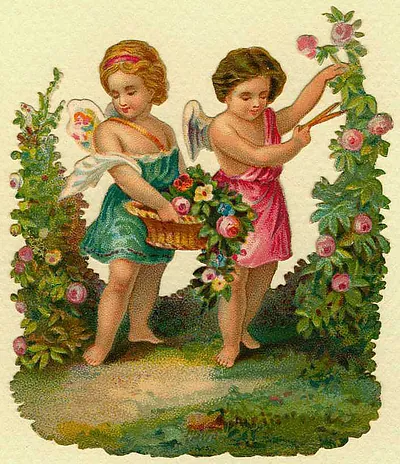
Two chromolithographed angel cherubs with roses and German birthday greeting postcard – Vintage Print

(Each image is professionally and digitally cleaned of artifacts such as color bars and extra borders prior to printing.)
Description
Few images capture their era like this antique lithograph of Two chromolithographed angel cherubs with roses and German birthday greeting postcard. It is part of the Snapshots of the Past archive, gathered over 25 years of research.
Order it framed and ready to hang, or unframed to match a frame you already love. A conversation-starting piece for home, office, or as a meaningful gift. Free shipping in the lower 48 states. Snapshots of the Past, founded in 2001, has served tens of thousands of customers worldwide.
Two chromolithographed angel cherubs with roses and German birthday greeting postcard
Order a print
Thank you. Your order went through, and a receipt is on its way by email.
Secure checkout · SSL encryptedPowered by Stripe and PayPal
Free shipping in the lower 48 states. The checkout page shows the picture, size and price before you pay.
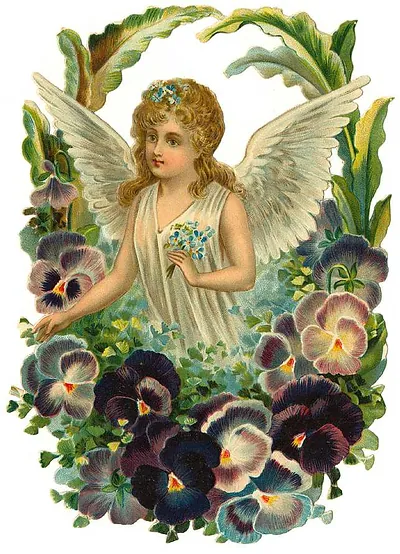
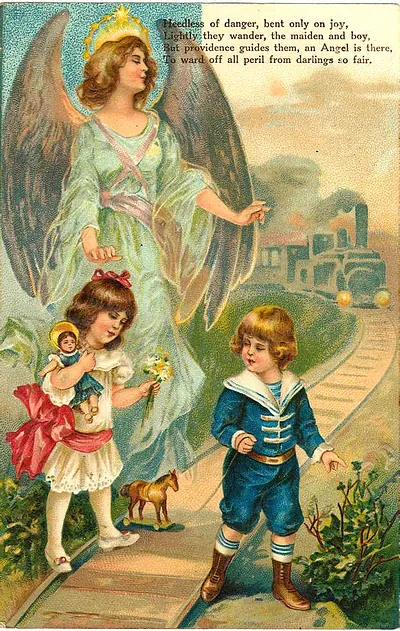
Two chromolithographed cherubs, their wings soft and their cheeks rosy, hold a bunch of roses on this German birthday greeting postcard. Cards like this were a popular form of sentiment in Germany and across Europe in the late 1800s and early 1900s, when color lithography made bright, inexpensive images widely available. Angel and cherub motifs were especially common because they suggested blessing and innocence, letting a sender wish a friend or relative well with an image that felt both sweet and devout. Collectors today value such cards for their vivid inks and for what they reveal about everyday affection and printing techniques of the period.
| Original scan | 631 × 986 px |
|---|---|
| Reference | Angels039 |
More from the Religious collection
Snapshots of the Past helps heritage brands, museums, historians and storytellers tell stories with history: historic prints, image licensing and historical storytelling drawn from more than 25 years of research and curation.