Crowds gathered at a railway terminal with bunting – Vintage Wall Art

(Each image is professionally and digitally cleaned of artifacts such as color bars and extra borders prior to printing.)
Description
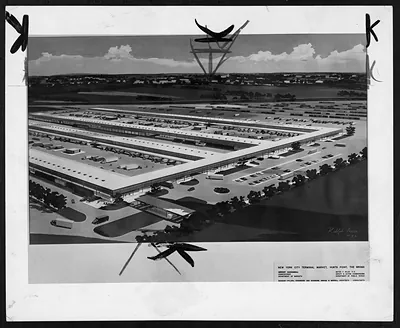
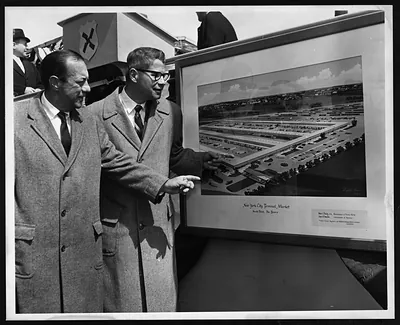
Crowds gathered at a railway terminal with bunting comes to life in this historic image, reproduced from the original with every detail intact. It comes from the Snapshots of the Past collection, curated over 25 years for its historical value.
Choose the framed print, ready to hang the day it arrives, or the unframed print for a frame of your own. It brings character to any room and makes a memorable gift. Free shipping in the lower 48 states. Snapshots of the Past has been bringing history to the wall since 2001, for tens of thousands of customers worldwide.
Crowds gathered at a railway terminal with bunting
Order a print
Thank you. Your order went through, and a receipt is on its way by email.
Secure checkout · SSL encryptedPowered by Stripe and PayPal
Free shipping in the lower 48 states. The checkout page shows the picture, size and price before you pay.
The gathering here is at a railway terminal, where a crowd has turned out under strings of bunting, a detail that marks the occasion as festive rather than routine. Stations of this period were often the busiest public spaces in a town, so a decorated platform or depot front usually signaled an arrival, a send-off, or a civic celebration. Crowds like this one were a common sight when a new line opened or an important visitor came through. The board places the picture under barns, farms and markets, which suggests the scene may connect to rural trade, with produce and goods moving by rail to market towns.
| Original scan | 4,141 × 3,306 px · prints to 14 × 11 in at 300 dpi |
|---|---|
| Reference | tif12737_OpeningdayoftheWallaboutMarket |
More from the Barns & Farms collection
Snapshots of the Past helps heritage brands, museums, historians and storytellers tell stories with history: historic prints, image licensing and historical storytelling drawn from more than 25 years of research and curation.