Washington At Mount Vernon 1797 – Vintage Wall Art

(Each image is professionally and digitally cleaned of artifacts such as color bars and extra borders prior to printing.)
Description
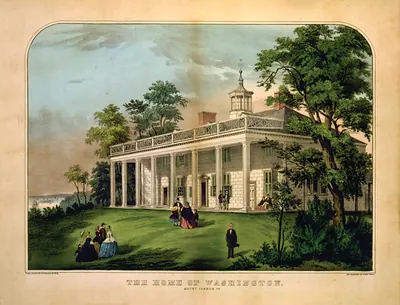
Washington At Mount Vernon 1797 comes to life in this antique lithograph, reproduced from the original with every detail intact. Drawn from the Snapshots of the Past archive, it is an authentic piece of documented history.
Framed, it is ready for the wall; unframed, it is ready for the frame you choose. A conversation-starting piece for home, office, or as a meaningful gift. Free shipping in the lower 48 states. Since 2001, Snapshots of the Past has shipped historic prints to tens of thousands of customers around the world.
Washington At Mount Vernon 1797
Order a print
Thank you. Your order went through, and a receipt is on its way by email.
Secure checkout · SSL encryptedPowered by Stripe and PayPal
Free shipping in the lower 48 states. The checkout page shows the picture, size and price before you pay.
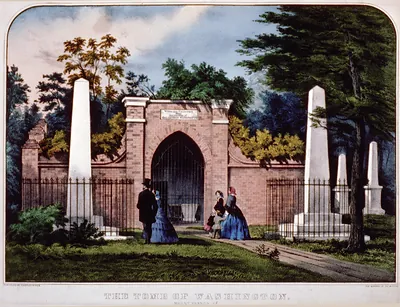
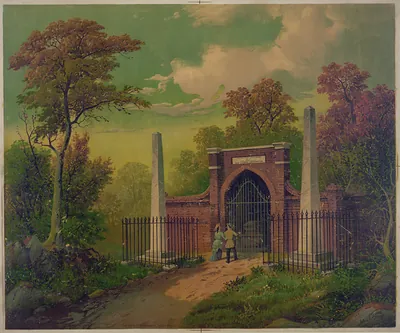
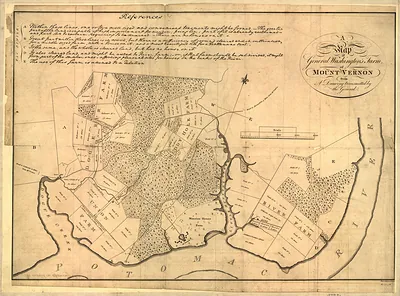
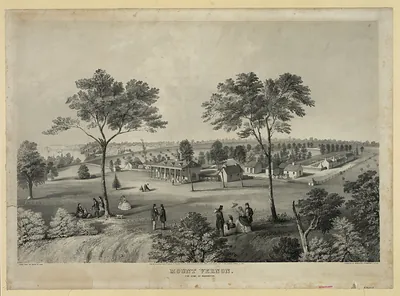
Washington's retirement to Mount Vernon, his Virginia estate on the Potomac, is the subject here, with 1797 marking the year he left the presidency and went home. The print pairs that setting with a quotation attributed to him: agriculture is "the most healthy, the most useful, and the most noble employment of man." Published by N. Currier in New York around 1852, the hand-colored lithograph reflects the mid-century taste for patriotic scenes of the founders, sold cheaply to families across the country. Washington's farm experiments made Mount Vernon a model of working agriculture in his day.
| Created / published | c. 1852 |
|---|---|
| Medium | 1 print, lithograph, hand-colored |
| Notes | "'Agriculture is the most healthy, the most useful, and the most noble employment of man.' -Washington". Published by N. Currier, New York |
| Original scan | 2,081 × 1,500 px · prints to 7 × 5 in at 300 dpi |
| Reference | AMZ-SOTP-HPA-175248 |
More from the Washington collection
Snapshots of the Past helps heritage brands, museums, historians and storytellers tell stories with history: historic prints, image licensing and historical storytelling drawn from more than 25 years of research and curation.