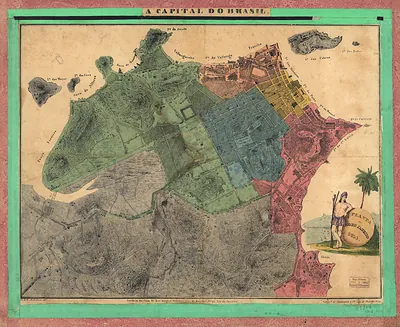
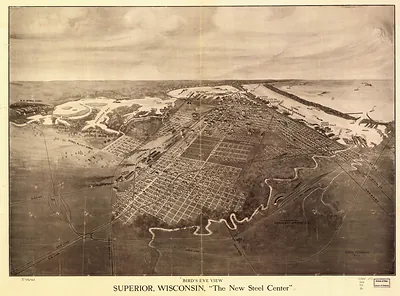
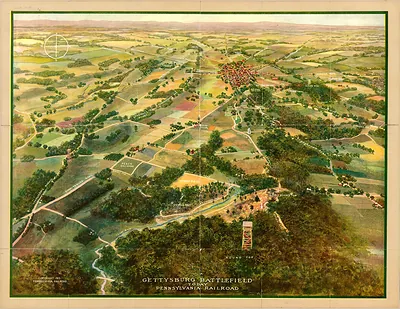
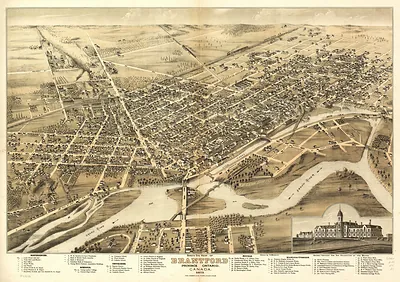
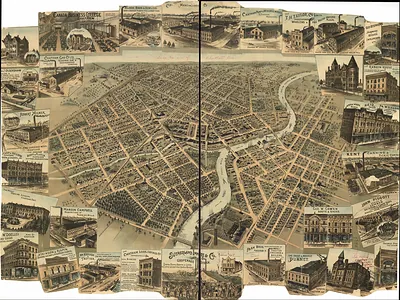
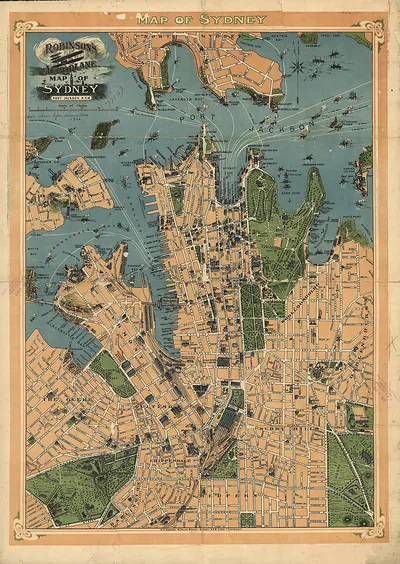
BRAZIL-Sao Paulo-1913 – Antique Wall Map

(Each image is professionally and digitally cleaned of artifacts such as color bars and extra borders prior to printing.)
Description
This rare antique map captures BRAZIL-Sao Paulo-1913 in remarkable detail. Drawn from the Snapshots of the Past archive, it is an authentic piece of documented history.
Choose the framed print, ready to hang the day it arrives, or the unframed print for a frame of your own. Perfect for a home, office, library or classroom wall, and a gift with a story behind it. Free shipping in the lower 48 states. Snapshots of the Past, founded in 2001, has served tens of thousands of customers worldwide.
BRAZIL-Sao Paulo-1913
Order a print
Thank you. Your order went through, and a receipt is on its way by email.
Secure checkout · SSL encryptedPowered by Stripe and PayPal
Free shipping in the lower 48 states. The checkout page shows the picture, size and price before you pay.
São Paulo in 1913 was the center of Brazil's coffee economy, and the wealth from coffee estates in the interior ran through its growing rail network to the port of Santos. The city's population had grown rapidly since the late 1880s, swelled by European immigrants, many of them Italians who arrived to work on the plantations and then settled in the city to take up trades, small industry, and commerce. Electric trams and new avenues were changing the old colonial core, and the city's planters and politicians, who dominated the state government under the Republic proclaimed in 1889, were building a modern capital to match their prosperity. Residents would have known the city as a fast-rising commercial hub, a place where new fortunes, new factories, and new neighborhoods were appearing almost every year.
| Notes | Bird's-eye view map. |
|---|---|
| Subjects | Panoramic maps-- |
| Original scan | 5,637 × 4,251 px · prints to 19 × 14 in at 300 dpi |
| Reference | BRAZIL-SaoPaulo-1913 |
More from the Panoramic Maps collection
Snapshots of the Past helps heritage brands, museums, historians and storytellers tell stories with history: historic prints, image licensing and historical storytelling drawn from more than 25 years of research and curation.