Deer in Front of Officers' Quarters, Fort Yellowstone – Vintage Print

(Each image is professionally and digitally cleaned of artifacts such as color bars and extra borders prior to printing.)
Description
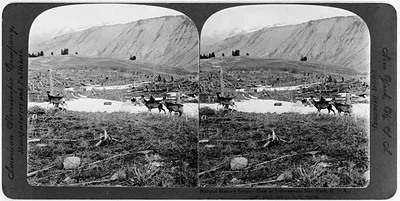
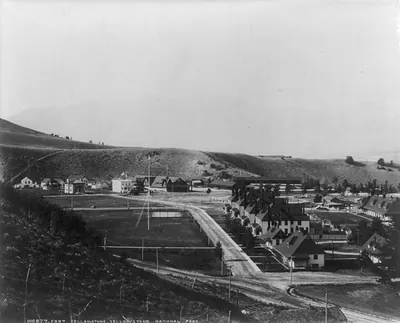
A window into the past: Deer in Front of Officers' Quarters, Fort Yellowstone, preserved in this historic image. It comes from the Snapshots of the Past collection, curated over 25 years for its historical value.
Choose the framed print, ready to hang the day it arrives, or the unframed print for a frame of your own. It brings character to any room and makes a memorable gift. Free shipping in the lower 48 states. Snapshots of the Past has been bringing history to the wall since 2001, for tens of thousands of customers worldwide.
Deer in Front of Officers' Quarters, Fort Yellowstone
Order a print
Thank you. Your order went through, and a receipt is on its way by email.
Secure checkout · SSL encryptedPowered by Stripe and PayPal
Free shipping in the lower 48 states. The checkout page shows the picture, size and price before you pay.
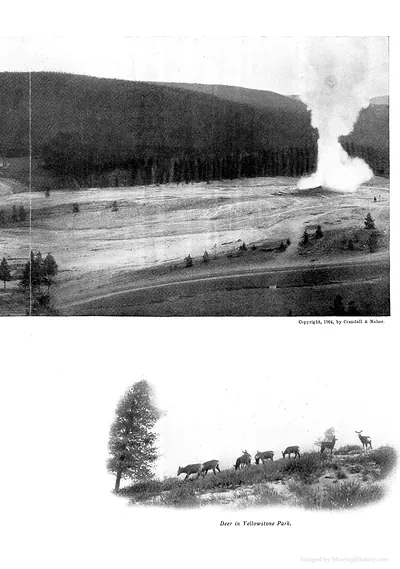
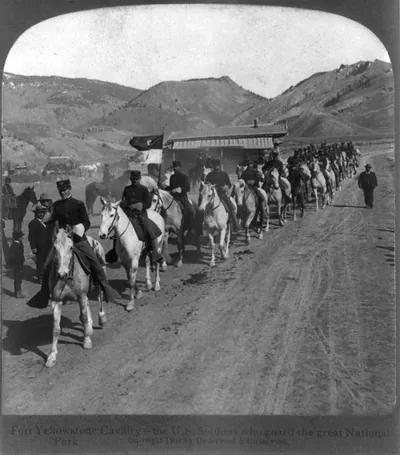
Fort Yellowstone was the U.S. Army's base for guarding the national park from 1886 until the National Park Service took over in 1916, and its officers' quarters stood among the stone and frame buildings near the Mammoth Hot Springs terraces. Here, a deer wanders in front of those quarters, a small reminder of how close the park's wildlife lived to the soldiers and their families. The Army's presence brought order to a park plagued by poaching and vandalism, and the easy familiarity between animals and people seen in pictures like this one became part of the park's early reputation. Note the deer's calm, unhurried stance, which speaks to how tame the Mammoth area's animals had become.
| Original scan | 1,890 × 2,690 px · prints to 6 × 9 in at 300 dpi |
|---|---|
| Reference | RRG0062c |
More from the Yellowstone collection
Snapshots of the Past helps heritage brands, museums, historians and storytellers tell stories with history: historic prints, image licensing and historical storytelling drawn from more than 25 years of research and curation.