A New Map of North America from the Latest Authorities – Vintage Map Wall Art

(Each image is professionally and digitally cleaned of artifacts such as color bars and extra borders prior to printing.)
Description
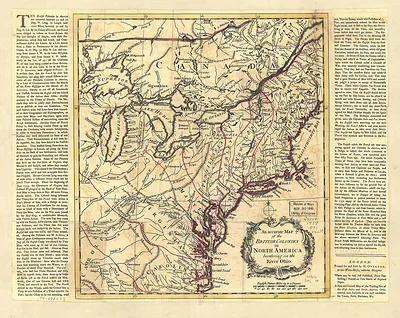
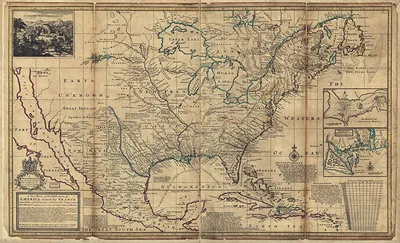
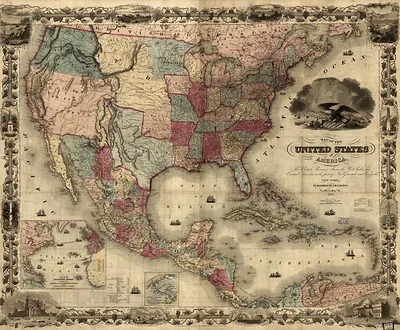
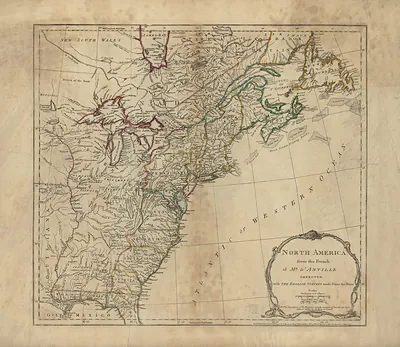
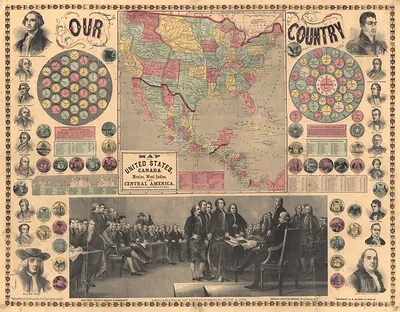
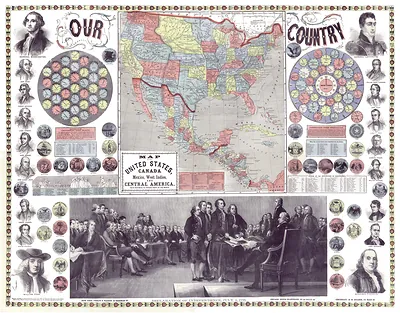
A window into the past: A New Map of North America from the Latest Authorities, preserved in this antique map. Drawn from the Snapshots of the Past archive, it is an authentic piece of documented history.
Framed, it is ready for the wall; unframed, it is ready for the frame you choose. A conversation-starting piece for home, office, or as a meaningful gift. Free shipping in the lower 48 states. Snapshots of the Past has been bringing history to the wall since 2001, for tens of thousands of customers worldwide.
A New Map of North America from the Latest Authorities
Order a print
Thank you. Your order went through, and a receipt is on its way by email.
Secure checkout · SSL encryptedPowered by Stripe and PayPal
Free shipping in the lower 48 states. The checkout page shows the picture, size and price before you pay.
Rather than a city or landmark, this sheet charts the whole continent, and its title makes a claim about its sources: it was drawn from "the latest authorities," meaning recent surveys, ship logs, and reports from explorers and traders. Maps like this were common in 18th-century Europe, where much of North America's interior remained unmapped and engravers often filled the gaps with guesswork. The western edge and the Great Lakes are worth a close look, since their outlines shifted from one map to the next as new information arrived. Placed among city views on this board, it reminds us that maps were often the first way people pictured places they might later settle.
| Original scan | 6,496 × 5,696 px · prints to 22 × 19 in at 300 dpi |
|---|---|
| Reference | 1811 |
More from the Across America collection
Snapshots of the Past helps heritage brands, museums, historians and storytellers tell stories with history: historic prints, image licensing and historical storytelling drawn from more than 25 years of research and curation.