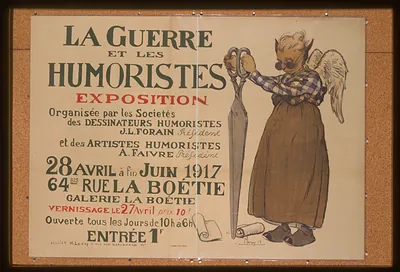
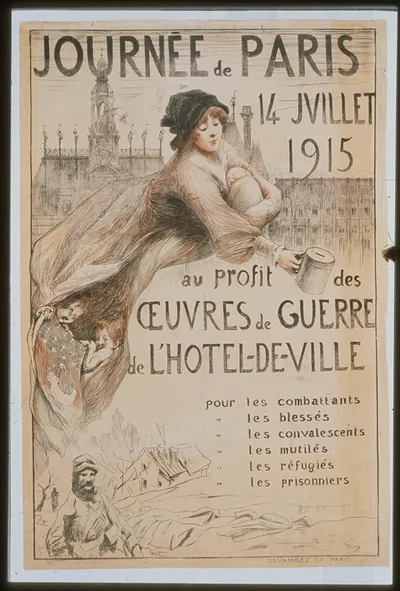
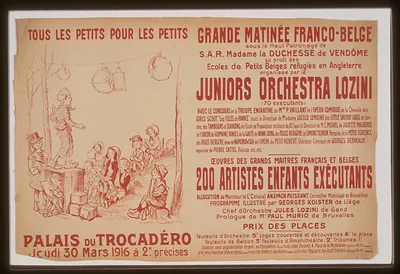
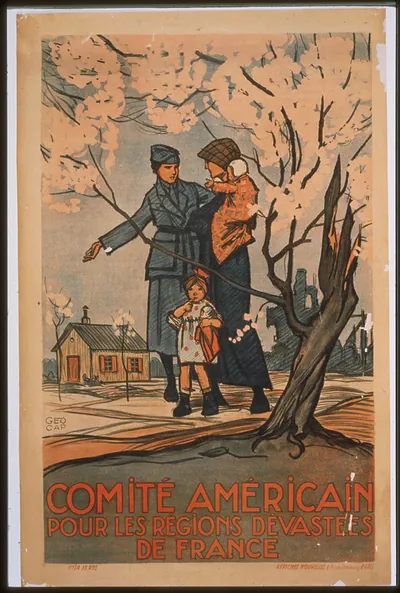
Exposition L'Architecture Régionale dans les Provinces Envahies – Historic Reproduction

(Each image is professionally and digitally cleaned of artifacts such as color bars and extra borders prior to printing.)
Description
This historic image of Exposition L'Architecture Régionale dans les Provinces Envahies brings a moment of history to your wall. It is part of the Snapshots of the Past archive, gathered over 25 years of research.
Choose the framed print, ready to hang the day it arrives, or the unframed print for a frame of your own. Perfect for a home, office, library or classroom wall, and a gift with a story behind it. Free shipping in the lower 48 states. Snapshots of the Past, founded in 2001, has served tens of thousands of customers worldwide.
Exposition L'Architecture Régionale dans les Provinces Envahies
Order a print
Thank you. Your order went through, and a receipt is on its way by email.
Secure checkout · SSL encryptedPowered by Stripe and PayPal
Free shipping in the lower 48 states. The checkout page shows the picture, size and price before you pay.
This picture takes its subject from a 1917 French exhibition on regional architecture in the provinces overrun by German forces, with its title naming a region that had been under occupation or fighting since 1914. By 1917 the front had cut through the north and east of France for three years, and shelling and occupation had damaged or destroyed many of the villages and towns whose farmhouses, churches and town houses reflected local materials and building customs. Exhibitions like this one let French audiences see a heritage the war was erasing, at a time when its future was still uncertain.
| Created / published | 1917 |
|---|---|
| Original scan | 2,808 × 4,096 px · prints to 9 × 14 in at 300 dpi |
| Reference | 578_Exposition_Larchitectur_1917 |
More from the World War I collection
Snapshots of the Past helps heritage brands, museums, historians and storytellers tell stories with history: historic prints, image licensing and historical storytelling drawn from more than 25 years of research and curation.