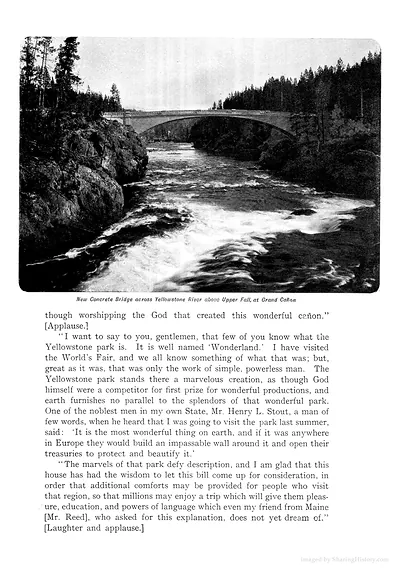
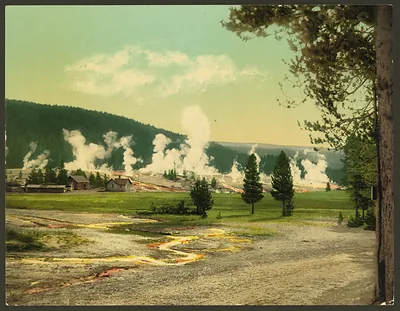
Barriers: Log, Stone and Concrete Guardrails and Retaining Walls – Antique Print

(Each image is professionally and digitally cleaned of artifacts such as color bars and extra borders prior to printing.)
Description
Barriers: Log, Stone and Concrete Guardrails and Retaining Walls comes to life in this historic image, reproduced from the original with every detail intact. It comes from the Snapshots of the Past collection, curated over 25 years for its historical value.
Framed, it is ready for the wall; unframed, it is ready for the frame you choose. A conversation-starting piece for home, office, or as a meaningful gift. Free shipping in the lower 48 states. Snapshots of the Past, founded in 2001, has served tens of thousands of customers worldwide.
Barriers: Log, Stone and Concrete Guardrails and Retaining Walls
Order a print
Thank you. Your order went through, and a receipt is on its way by email.
Secure checkout · SSL encryptedPowered by Stripe and PayPal
Free shipping in the lower 48 states. The checkout page shows the picture, size and price before you pay.
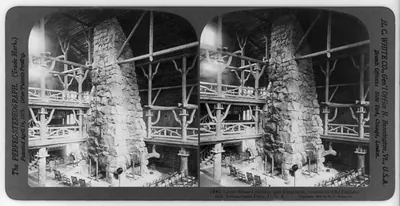
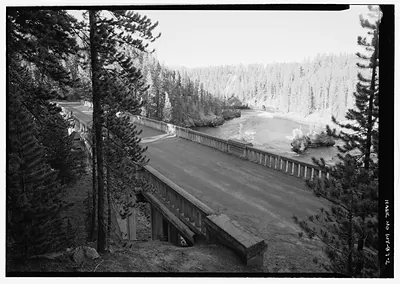
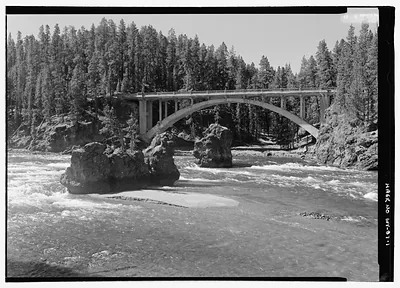
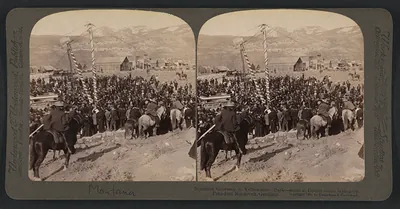
Log guardrails made of lodgepole pine, set beside stone and concrete retaining walls, show how Yellowstone's roadway engineers tried to blend safety with the park's natural setting. Early park roads were cut into steep slopes and along river gorges, and the rustic barriers were meant to keep vehicles on the road while looking like they belonged in the wilderness. Army cavalry administered the park from 1886 until 1918, and the National Park Service, founded in 1916, later adopted this rustic style across its roads. The mix of materials in a single view reveals how the park's road builders adapted to changing traffic and to the demands of the mountain terrain.
| Original scan | 14,412 × 9,809 px · prints to 48 × 33 in at 300 dpi |
|---|---|
| Reference | Yellowstone Roads & Bridges, Yellowstone National Park, Teton, WY 11 |
More from the Yellowstone collection
Snapshots of the Past helps heritage brands, museums, historians and storytellers tell stories with history: historic prints, image licensing and historical storytelling drawn from more than 25 years of research and curation.