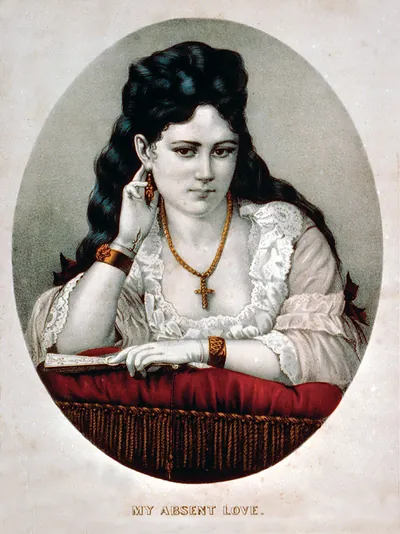
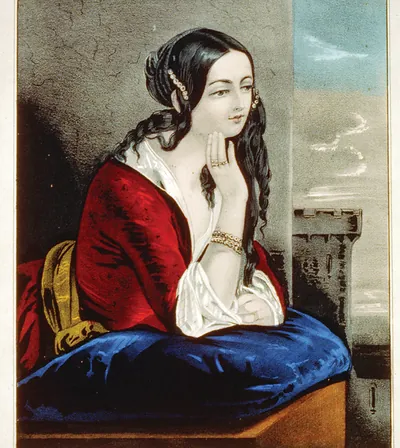
Do You Love Butter? New York: Currier & Ives (print, lithograph) – Antique Print

(Each image is professionally and digitally cleaned of artifacts such as color bars and extra borders prior to printing.)
Description
Do You Love Butter? New York: Currier & Ives (print, lithograph) comes to life in this antique lithograph, reproduced from the original with every detail intact. It is part of the Snapshots of the Past archive, gathered over 25 years of research.
Framed, it is ready for the wall; unframed, it is ready for the frame you choose. Perfect for a home, office, library or classroom wall, and a gift with a story behind it. Free shipping in the lower 48 states. Snapshots of the Past has been bringing history to the wall since 2001, for tens of thousands of customers worldwide.
Do You Love Butter? New York: Currier & Ives (print, lithograph)
Order a print
Thank you. Your order went through, and a receipt is on its way by email.
Secure checkout · SSL encryptedPowered by Stripe and PayPal
Free shipping in the lower 48 states. The checkout page shows the picture, size and price before you pay.
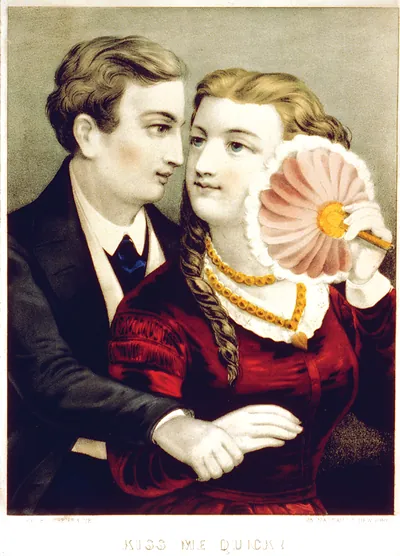
Its title, *Do you love butter?*, sets this Currier & Ives lithograph apart from the many sentimental scenes that share its gallery board. Published in New York in 1878, it belongs to the firm's run of comic lithographs from the 1870s, when the company sold inexpensive color prints to a broad middle-class public. The question likely plays on the old idiom of buttering someone up, so the joke probably turns on flattery rather than dairy, though the record does not describe the scene. The Library of Congress holds the print, which is listed as number 1753 in the Gale Research catalog raisonné of Currier & Ives work.
| Created / published | 1878 |
|---|---|
| Medium | print, lithograph |
| Original scan | 1,500 × 1,969 px · prints to 5 × 7 in at 300 dpi |
| Reference | AMZ-SOTP-HPA-174380 |
Snapshots of the Past helps heritage brands, museums, historians and storytellers tell stories with history: historic prints, image licensing and historical storytelling drawn from more than 25 years of research and curation.