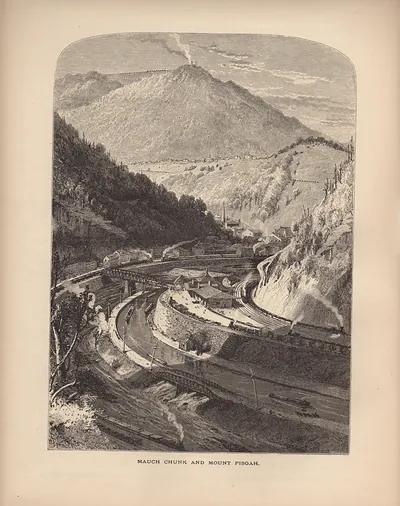
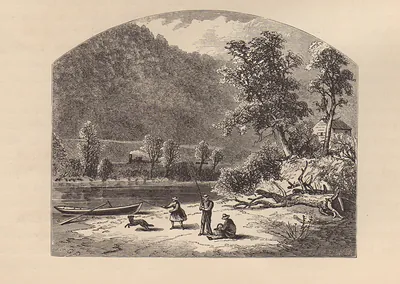
Mauch Chunk, from Foot of Mount Pisgah – Antique Wall Art

(Each image is professionally and digitally cleaned of artifacts such as color bars and extra borders prior to printing.)
Description
This rare historic image captures Mauch Chunk, from Foot of Mount Pisgah in remarkable detail. It is part of the Snapshots of the Past archive, gathered over 25 years of research.
Framed, it is ready for the wall; unframed, it is ready for the frame you choose. It brings character to any room and makes a memorable gift. Free shipping in the lower 48 states. Snapshots of the Past has been bringing history to the wall since 2001, for tens of thousands of customers worldwide.
Mauch Chunk, from Foot of Mount Pisgah
Order a print
Thank you. Your order went through, and a receipt is on its way by email.
Secure checkout · SSL encryptedPowered by Stripe and PayPal
Free shipping in the lower 48 states. The checkout page shows the picture, size and price before you pay.
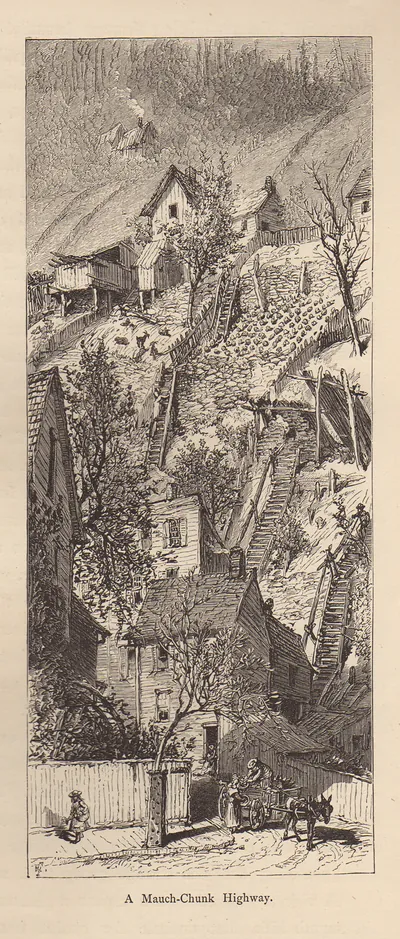
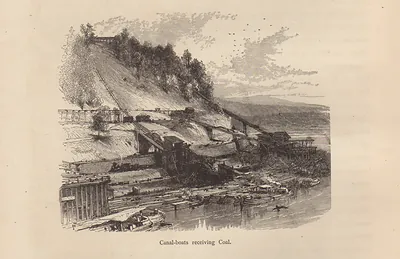
Mauch Chunk, the town later renamed Jim Thorpe, sits in a narrow valley of the Lehigh River in eastern Pennsylvania, and this view was taken from the slope of Mount Pisgah above it. The vantage point shows how the town was squeezed between steep mountains and the river, with its streets and rail lines following the valley floor. Mauch Chunk grew rich in the 19th century from coal mined in the surrounding hills, which was carried down by railroad and canal to market. Looking at the layout, you can see why the settlement grew in such a tight, linear shape.
| Original scan | 2,582 × 3,533 px · prints to 9 × 12 in at 300 dpi |
|---|---|
| Reference | 113 PA Mauch Chunk |
More from the Pennsylvania collection
Snapshots of the Past helps heritage brands, museums, historians and storytellers tell stories with history: historic prints, image licensing and historical storytelling drawn from more than 25 years of research and curation.