The attack on and surrender of Harper's Ferry – Antique Print

(Each image is professionally and digitally cleaned of artifacts such as color bars and extra borders prior to printing.)
Description
Few images capture their era like this historic image of The attack on and surrender of Harper's Ferry. It is part of the Snapshots of the Past archive, gathered over 25 years of research.
Framed, it is ready for the wall; unframed, it is ready for the frame you choose. Perfect for a home, office, library or classroom wall, and a gift with a story behind it. Free shipping in the lower 48 states. Since 2001, Snapshots of the Past has shipped historic prints to tens of thousands of customers around the world.
The attack on and surrender of Harper's Ferry
Order a print
Thank you. Your order went through, and a receipt is on its way by email.
Secure checkout · SSL encryptedPowered by Stripe and PayPal
Free shipping in the lower 48 states. The checkout page shows the picture, size and price before you pay.
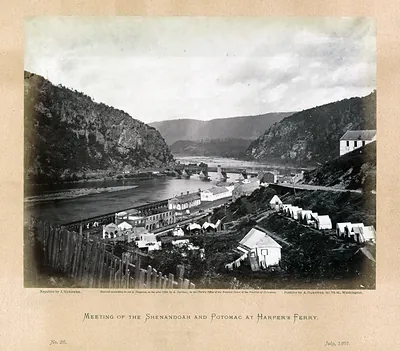
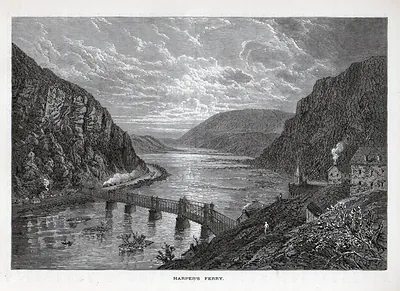
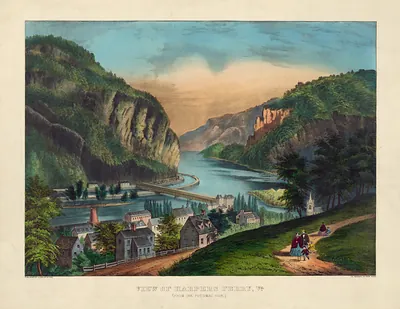
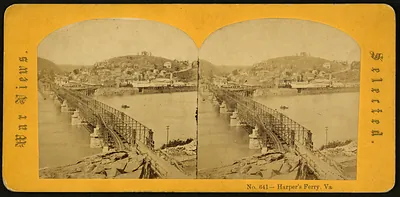
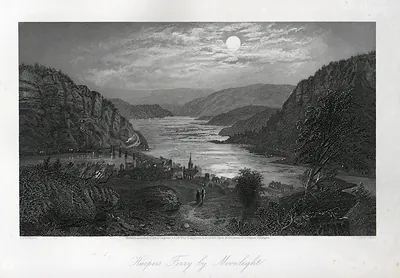
Confederate forces under Stonewall Jackson closed in on the federal garrison at Harpers Ferry in September 1862, shelling the town from the surrounding heights until its commander, Col. Dixon Miles, was mortally wounded and the Union troops surrendered. Roughly 12,000 soldiers laid down their arms there, the largest surrender of American troops until Bataan in 1942. The town's position where the Potomac and Shenandoah rivers meet made it a strategic prize throughout the war, and the engraving records a moment that shaped the Antietam campaign that followed.
| Original scan | 2,386 × 2,767 px · prints to 8 × 9 in at 300 dpi |
|---|---|
| Reference | vhs00112The attack on and surrender of Harper's Ferry |
More from the West Virginia collection
Snapshots of the Past helps heritage brands, museums, historians and storytellers tell stories with history: historic prints, image licensing and historical storytelling drawn from more than 25 years of research and curation.