Roadway Construction Methods and Evolution – Antique Print

(Each image is professionally and digitally cleaned of artifacts such as color bars and extra borders prior to printing.)
Description
This historic image of Roadway Construction Methods and Evolution brings a moment of history to your wall. It comes from the Snapshots of the Past collection, curated over 25 years for its historical value.
Order it framed and ready to hang, or unframed to match a frame you already love. A fine choice for anyone who loves history, and a gift that gets noticed. Free shipping in the lower 48 states. Since 2001, Snapshots of the Past has shipped historic prints to tens of thousands of customers around the world.
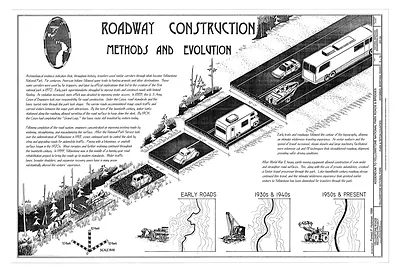
Roadway Construction Methods and Evolution
Order a print
Thank you. Your order went through, and a receipt is on its way by email.
Secure checkout · SSL encryptedPowered by Stripe and PayPal
Free shipping in the lower 48 states. The checkout page shows the picture, size and price before you pay.
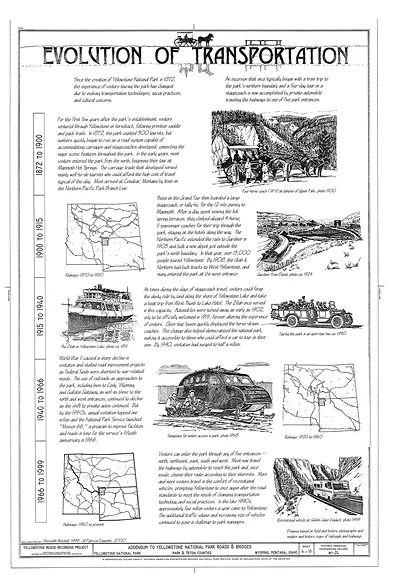
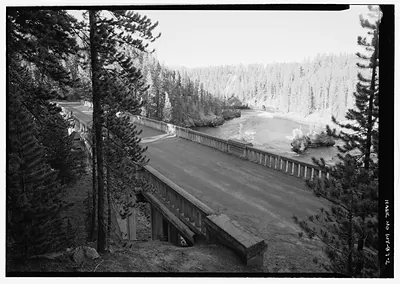
This picture ties the park's road-building to Yellowstone itself, where early routes were laid out for horse-drawn wagons and stagecoaches before automobiles arrived. Crews working in the park's rugged terrain relied heavily on hand labor, horses pulling scrapers and graders, and blasting through rock, with steam-powered machinery gradually taking on more of the work. The shift from these methods to motor-era roadways shaped how visitors reached the park's geysers, canyons and lakes, and the marks of that change are worth looking for in images like this one.
| Original scan | 6,800 × 4,642 px · prints to 23 × 15 in at 300 dpi |
|---|---|
| Reference | Roadway Construction |
More from the Yellowstone collection
Snapshots of the Past helps heritage brands, museums, historians and storytellers tell stories with history: historic prints, image licensing and historical storytelling drawn from more than 25 years of research and curation.