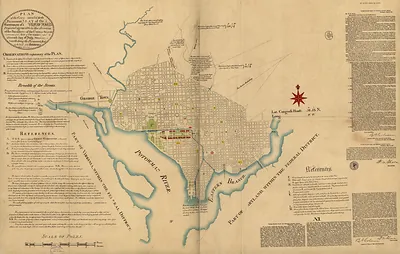
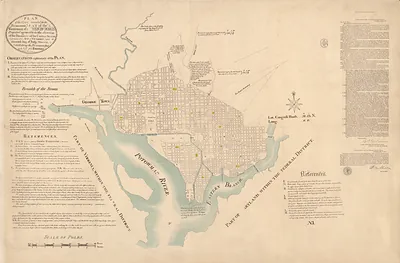
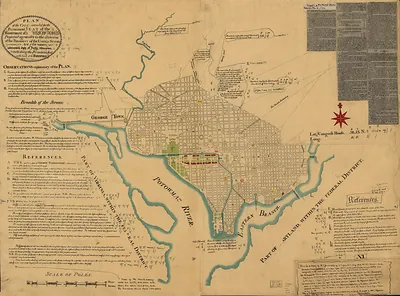
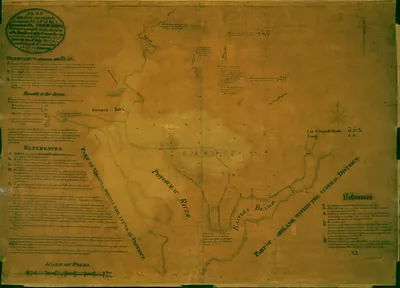
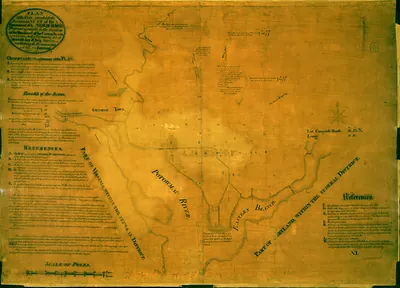
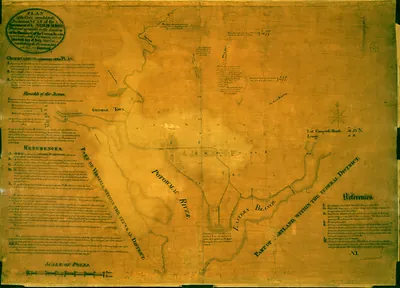
L'Enfant 5 (1818), Washington DC – Historic Map Reproduction

(Each image is professionally and digitally cleaned of artifacts such as color bars and extra borders prior to printing.)
Description
A window into the past: L'Enfant 5 (1818), Washington DC, preserved in this antique map. It is part of the Snapshots of the Past archive, gathered over 25 years of research.
The framed print arrives ready to hang; the unframed option suits custom framing. It brings character to any room and makes a memorable gift. Free shipping in the lower 48 states. Snapshots of the Past has been bringing history to the wall since 2001, for tens of thousands of customers worldwide.
L'Enfant 5 (1818), Washington DC
Order a print
Thank you. Your order went through, and a receipt is on its way by email.
Secure checkout · SSL encryptedPowered by Stripe and PayPal
Free shipping in the lower 48 states. The checkout page shows the picture, size and price before you pay.
In 1818 Washington was still more plan than city. Pierre L'Enfant's grid of wide avenues, laid out in 1791, was only partly built, and open fields and grazing land lay between scattered houses. British troops had burned the Capitol and the President's House in August 1814, and both had been repaired and were back in use by this time. Federal government was the town's main employer, supporting clerks, boardinghouse keepers, and a large population of enslaved and free Black workers who built and maintained the capital. Residents complained of muddy streets and long distances between buildings, and the city remained small beside Philadelphia or New York.
| Notes | Bird's-eye view map. |
|---|---|
| Subjects | Panoramic maps--Washington DC |
| Original scan | 9,613 × 7,617 px · prints to 32 × 25 in at 300 dpi |
| Reference | L'Enfant 5 (1818) |
More from the Panoramic Maps collection
Snapshots of the Past helps heritage brands, museums, historians and storytellers tell stories with history: historic prints, image licensing and historical storytelling drawn from more than 25 years of research and curation.