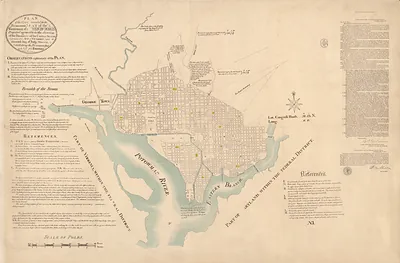
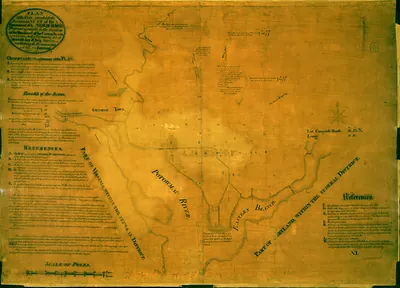
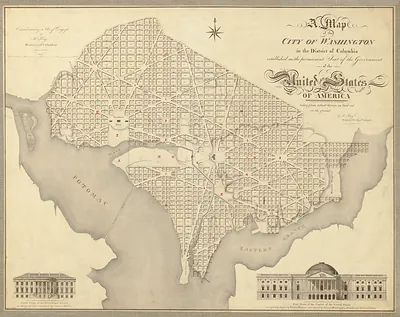
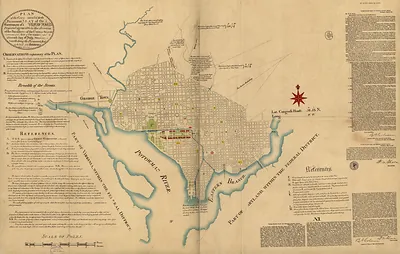
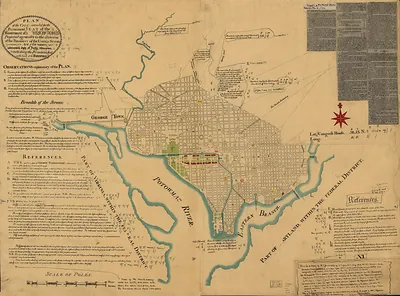
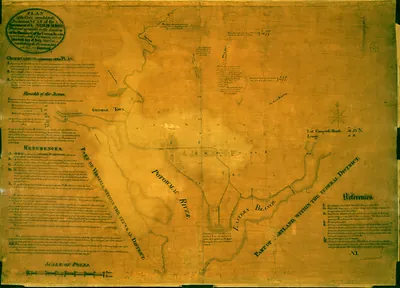
L'Enfant 2, Washington DC – Historic Map Reproduction

(Each image is professionally and digitally cleaned of artifacts such as color bars and extra borders prior to printing.)
Description
This antique map of L'Enfant 2, Washington DC brings a moment of history to your wall. It comes from the Snapshots of the Past collection, curated over 25 years for its historical value.
Framed, it is ready for the wall; unframed, it is ready for the frame you choose. It brings character to any room and makes a memorable gift. Free shipping in the lower 48 states. Snapshots of the Past, founded in 2001, has served tens of thousands of customers worldwide.
L'Enfant 2, Washington DC
Order a print
Thank you. Your order went through, and a receipt is on its way by email.
Secure checkout · SSL encryptedPowered by Stripe and PayPal
Free shipping in the lower 48 states. The checkout page shows the picture, size and price before you pay.
Washington, D.C., took its grand street plan from Pierre Charles L'Enfant, who drew it in 1791 for a national capital that was still mostly farmland, marsh, and scattered houses. Its broad avenues, named for the states and radiating from the Capitol and the President's House, ran for decades through unpaved lots and open ground. Georgetown's river trade, the Potomac waterfront, and the Chesapeake and Ohio Canal moved coal, flour, and timber, while federal clerks, congressional staff, and a large population of enslaved and free Black workers shaped daily life. The city was a government town first, and its ambitious design was always being tested against its modest size and resources.
| Notes | Bird's-eye view map. |
|---|---|
| Subjects | Panoramic maps--Washington DC |
| Original scan | 12,687 × 9,117 px · prints to 42 × 30 in at 300 dpi |
| Reference | L'Enfant 2 |
More from the Panoramic Maps collection
Snapshots of the Past helps heritage brands, museums, historians and storytellers tell stories with history: historic prints, image licensing and historical storytelling drawn from more than 25 years of research and curation.