Broken split-rail fence along a creek, trees behind – Antique Print

(Each image is professionally and digitally cleaned of artifacts such as color bars and extra borders prior to printing.)
Description
Few images capture their era like this historic image of Broken split-rail fence along a creek, trees behind. It comes from the Snapshots of the Past collection, curated over 25 years for its historical value.
Order it framed and ready to hang, or unframed to match a frame you already love. It brings character to any room and makes a memorable gift. Free shipping in the lower 48 states. Snapshots of the Past, founded in 2001, has served tens of thousands of customers worldwide.
Broken split-rail fence along a creek, trees behind
Order a print
Thank you. Your order went through, and a receipt is on its way by email.
Secure checkout · SSL encryptedPowered by Stripe and PayPal
Free shipping in the lower 48 states. The checkout page shows the picture, size and price before you pay.
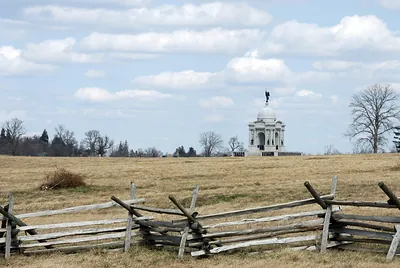
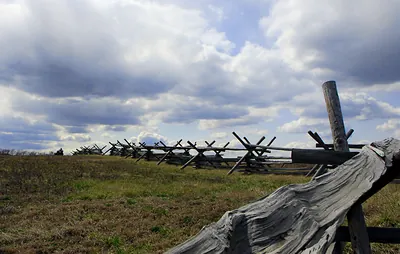
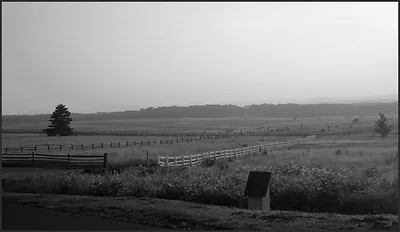
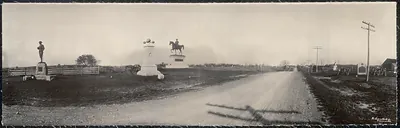
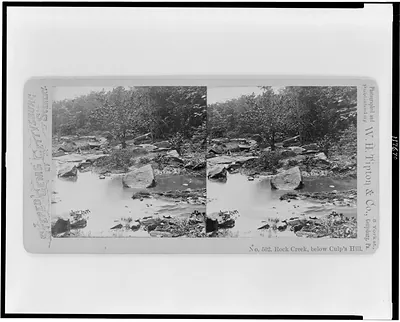
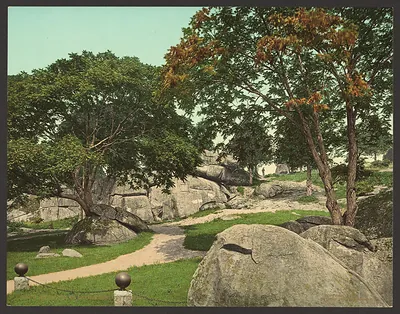
A broken split-rail fence follows the edge of a creek, with a line of trees rising behind it. The stream may be Willoughby Run, which crosses the fields west of Gettysburg where fighting began on the morning of July 1, 1863. Rail fences like this one were common across the farmland there, and troups on both sides pulled them apart to build barricades and cover. Scenes of ordinary field edges such as this one help viewers see how the battle unfolded across open country rather than only in the town.
| Original scan | 7,147 × 7,035 px · prints to 24 × 23 in at 300 dpi |
|---|---|
| Reference | 01648a |
More from the Gettysburg collection
Snapshots of the Past helps heritage brands, museums, historians and storytellers tell stories with history: historic prints, image licensing and historical storytelling drawn from more than 25 years of research and curation.