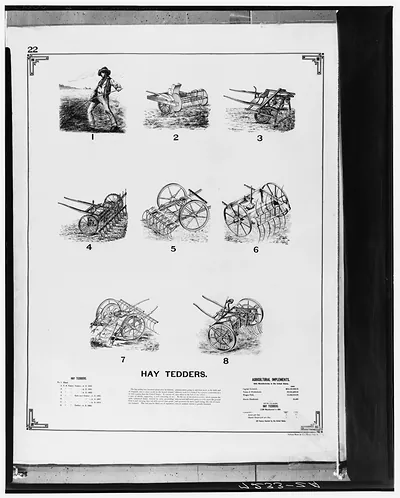
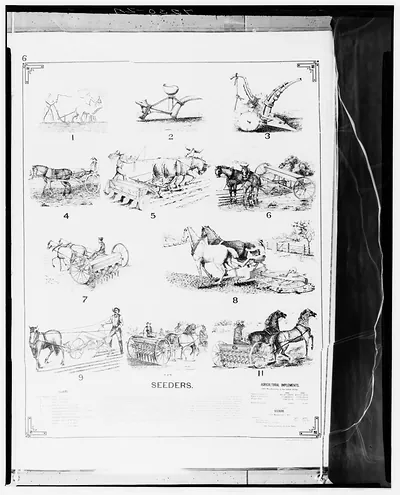
Harvester Binders: numbered engravings of grain binding machines – Historic Reproduction

(Each image is professionally and digitally cleaned of artifacts such as color bars and extra borders prior to printing.)
Description
Few images capture their era like this antique engraving of Harvester Binders: numbered engravings of grain binding machines. It comes from the Snapshots of the Past collection, curated over 25 years for its historical value.
The framed print arrives ready to hang; the unframed option suits custom framing. A conversation-starting piece for home, office, or as a meaningful gift. Free shipping in the lower 48 states. Snapshots of the Past, founded in 2001, has served tens of thousands of customers worldwide.
Harvester Binders: numbered engravings of grain binding machines
Order a print
Thank you. Your order went through, and a receipt is on its way by email.
Secure checkout · SSL encryptedPowered by Stripe and PayPal
Free shipping in the lower 48 states. The checkout page shows the picture, size and price before you pay.
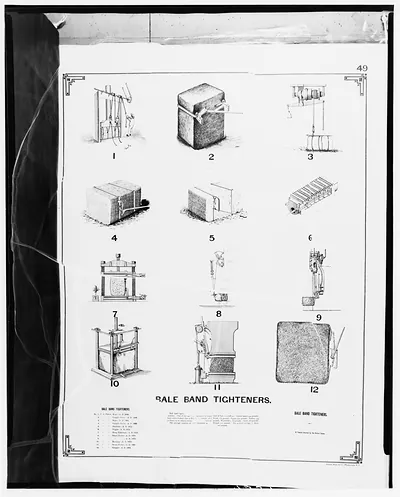
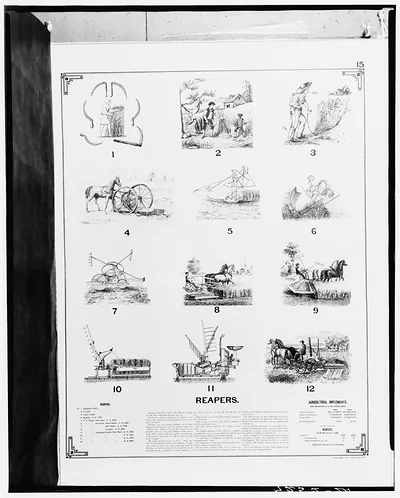
What sets this group apart is its numbering: each engraving of a grain binding machine carries a number, the kind of labeling used on technical plates so readers could match each part to a printed key. Harvester binders were horse-drawn machines that cut standing grain and tied it into bundles with twine or wire, replacing the hand labor of reaping and sheaf-binding. The automatic twine knotter, developed in the late 1870s, made the binder practical and spread it quickly across grain-growing regions. Engravings like these often appeared in manufacturers' catalogs and farm journals, where fine line work let buyers study how the mechanism worked.
| Original scan | 3,979 × 5,000 px · prints to 13 × 17 in at 300 dpi |
|---|---|
| Reference | 8e04653u Page from The Growth of industrial |
More from the Barns & Farms collection
Snapshots of the Past helps heritage brands, museums, historians and storytellers tell stories with history: historic prints, image licensing and historical storytelling drawn from more than 25 years of research and curation.