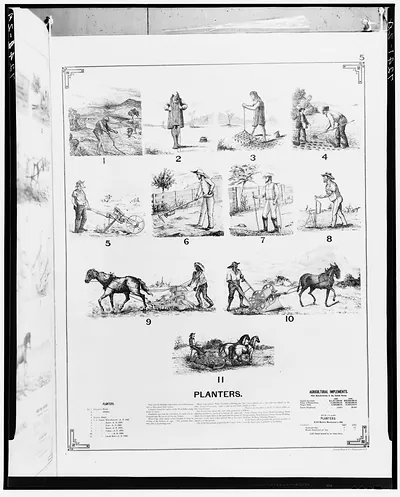
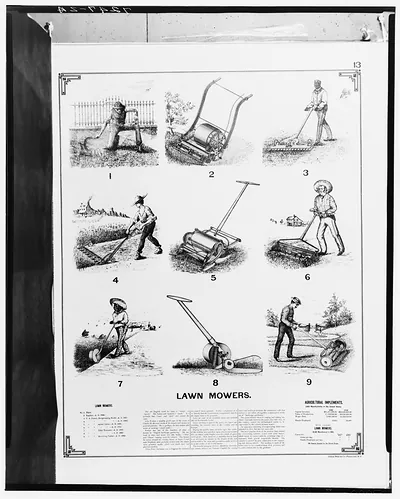
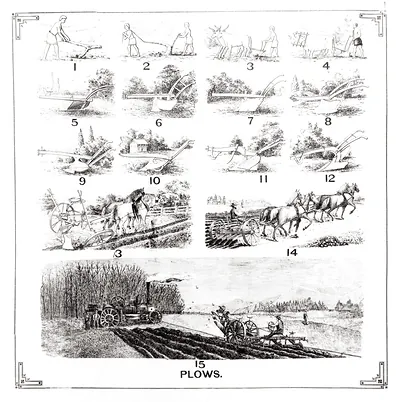
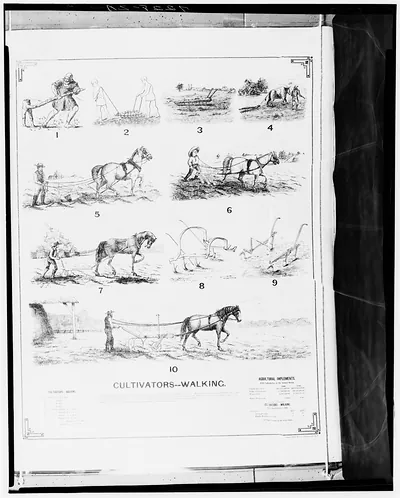
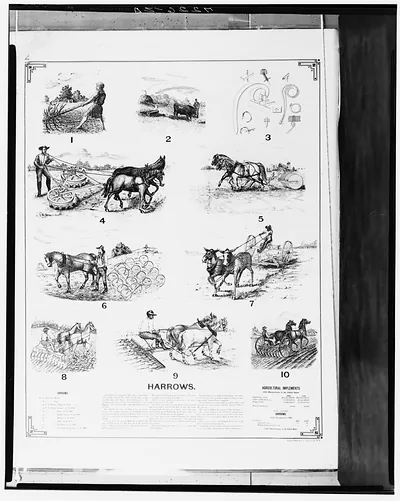
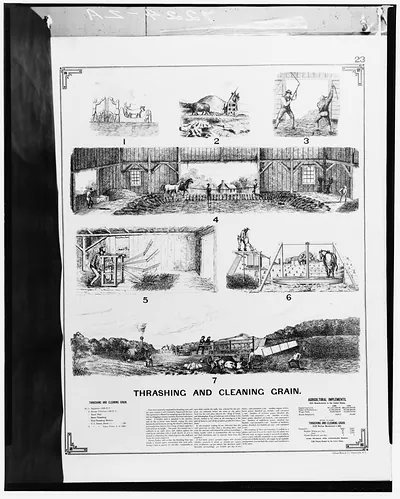
Seeders: page of numbered agricultural implement engravings – Historic Reproduction

(Each image is professionally and digitally cleaned of artifacts such as color bars and extra borders prior to printing.)
Description
Seeders: page of numbered agricultural implement engravings comes to life in this antique engraving, reproduced from the original with every detail intact. It is part of the Snapshots of the Past archive, gathered over 25 years of research.
Choose the framed print, ready to hang the day it arrives, or the unframed print for a frame of your own. A fine choice for anyone who loves history, and a gift that gets noticed. Free shipping in the lower 48 states. Since 2001, Snapshots of the Past has shipped historic prints to tens of thousands of customers around the world.
Seeders: page of numbered agricultural implement engravings
Order a print
Thank you. Your order went through, and a receipt is on its way by email.
Secure checkout · SSL encryptedPowered by Stripe and PayPal
Free shipping in the lower 48 states. The checkout page shows the picture, size and price before you pay.
Engraved plates like this one, numbered down the page, were a staple of nineteenth-century agricultural manuals and seed catalogs, where each illustration showed a machine in enough detail for a farmer to recognize and compare it. This page is devoted to seeders, the implements that dropped seed into furrows at a measured rate, a task that had been done by hand, broadcast from a sack, for centuries. Seed drills like these changed planting by placing grain at even depths and spacing, which improved germination and cut the waste of scattered seed. Look closely at the numbering and the small labeled parts, which show how manufacturers used these plates to sell and explain their equipment.
| Original scan | 4,040 × 5,000 px · prints to 13 × 17 in at 300 dpi |
|---|---|
| Reference | 8e04620u Page from The Growth of |
More from the Barns & Farms collection
Snapshots of the Past helps heritage brands, museums, historians and storytellers tell stories with history: historic prints, image licensing and historical storytelling drawn from more than 25 years of research and curation.