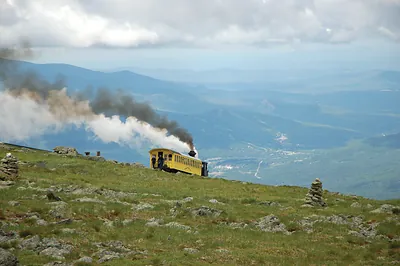
Red cog railway train climbing a barren mountainside – Historic Reproduction

(Each image is professionally and digitally cleaned of artifacts such as color bars and extra borders prior to printing.)
Description
A window into the past: Red cog railway train climbing a barren mountainside, preserved in this historic image. Drawn from the Snapshots of the Past archive, it is an authentic piece of documented history.
Choose the framed print, ready to hang the day it arrives, or the unframed print for a frame of your own. A conversation-starting piece for home, office, or as a meaningful gift. Free shipping in the lower 48 states. Since 2001, Snapshots of the Past has shipped historic prints to tens of thousands of customers around the world.
Red cog railway train climbing a barren mountainside
Order a print
Thank you. Your order went through, and a receipt is on its way by email.
Secure checkout · SSL encryptedPowered by Stripe and PayPal
Free shipping in the lower 48 states. The checkout page shows the picture, size and price before you pay.
A red cog train climbs a slope with almost no vegetation, a scene that shows the kind of terrain these lines were built to conquer. Cog railways use a toothed rack rail laid between the running rails, and a pinion gear on the locomotive meshes with it, so the train can haul itself up grades too steep for ordinary wheels to grip. The best-known early example in America is the Mount Washington Cog Railway in New Hampshire, which opened in 1869 and drew tourists to the bare, wind-swept summit above the tree line.
| Original scan | 3,000 × 2,250 px · prints to 10 × 8 in at 300 dpi |
|---|---|
| Reference | 401127712_3b27ed4b6e_o cog railway P9300645 |
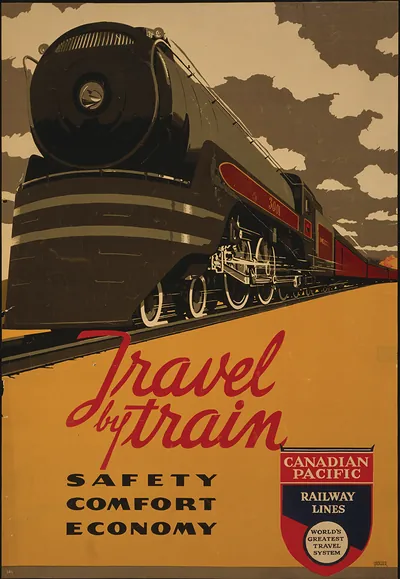
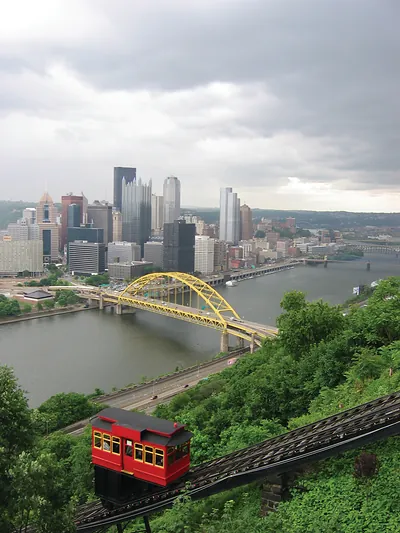
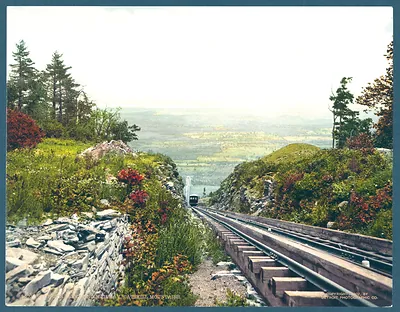
More from the Trains collection
Snapshots of the Past helps heritage brands, museums, historians and storytellers tell stories with history: historic prints, image licensing and historical storytelling drawn from more than 25 years of research and curation.