Steam locomotive hauling passenger coaches past a village – Antique Print

(Each image is professionally and digitally cleaned of artifacts such as color bars and extra borders prior to printing.)
Description
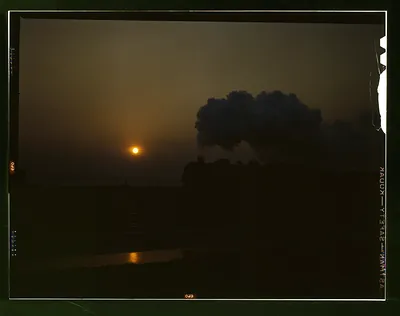
Steam locomotive hauling passenger coaches past a village comes to life in this historic image, reproduced from the original with every detail intact. It is part of the Snapshots of the Past archive, gathered over 25 years of research.
Choose the framed print, ready to hang the day it arrives, or the unframed print for a frame of your own. Perfect for a home, office, library or classroom wall, and a gift with a story behind it. Free shipping in the lower 48 states. Snapshots of the Past, founded in 2001, has served tens of thousands of customers worldwide.
Steam locomotive hauling passenger coaches past a village
Order a print
Thank you. Your order went through, and a receipt is on its way by email.
Secure checkout · SSL encryptedPowered by Stripe and PayPal
Free shipping in the lower 48 states. The checkout page shows the picture, size and price before you pay.
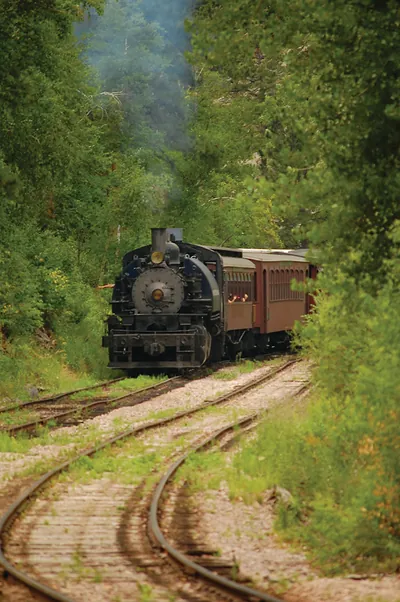
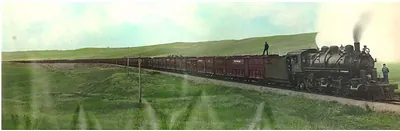
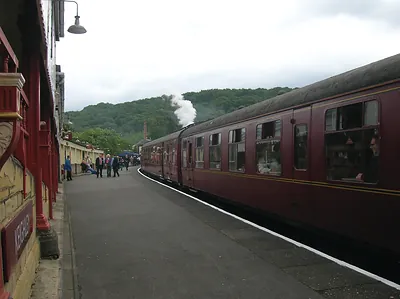
A steam locomotive pulls a short line of passenger coaches past a village, with the engine's smoke trailing back over the cars and the rooftops close beside the track. Scenes like this were common across the American and European countryside in the decades when steam was the main form of long-distance power, and the rail line often became the village's link to markets, mail and visiting relatives. Pictures of trains passing through small settlements like this one are useful today for seeing how closely the railroad and daily village life were tied together before highways and automobiles took over that role.
| Original scan | 3,000 × 2,000 px · prints to 10 × 7 in at 300 dpi |
|---|---|
| Reference | 3473249590_fc44e72a7f_o |
More from the Railroads & Depots collection
Snapshots of the Past helps heritage brands, museums, historians and storytellers tell stories with history: historic prints, image licensing and historical storytelling drawn from more than 25 years of research and curation.