Agricultural Leases and Scenic Easements, Blue Ridge Parkway drawing sheet – Antique Wall Art

(Each image is professionally and digitally cleaned of artifacts such as color bars and extra borders prior to printing.)
Description
This historic drawing of Agricultural Leases and Scenic Easements, Blue Ridge Parkway drawing sheet brings a moment of history to your wall. Drawn from the Snapshots of the Past archive, it is an authentic piece of documented history.
Framed, it is ready for the wall; unframed, it is ready for the frame you choose. Perfect for a home, office, library or classroom wall, and a gift with a story behind it. Free shipping in the lower 48 states. Snapshots of the Past has been bringing history to the wall since 2001, for tens of thousands of customers worldwide.
Agricultural Leases and Scenic Easements, Blue Ridge Parkway drawing sheet
Order a print
Thank you. Your order went through, and a receipt is on its way by email.
Secure checkout · SSL encryptedPowered by Stripe and PayPal
Free shipping in the lower 48 states. The checkout page shows the picture, size and price before you pay.
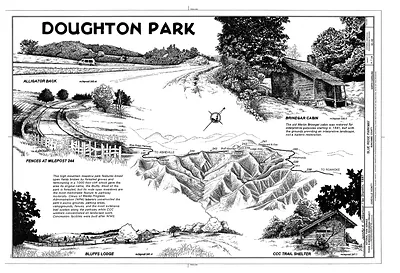
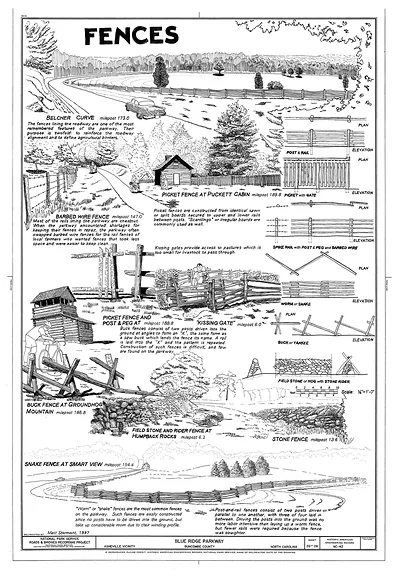
This drawing sheet records one of the less visible tools used to shape the Blue Ridge Parkway: the arrangement of farmland and scenic easements along its route. Construction of the parkway began in 1935, and the National Park Service needed to control what visitors would see from the road as well as the land under the roadbed. Agricultural leases let working farms continue on land the government had acquired, while scenic easements restricted development on neighboring property. Together, these arrangements kept the rolling pastures and wooded ridges the parkway was designed to frame.
| Original scan | 14,462 × 9,834 px · prints to 48 × 33 in at 300 dpi |
|---|---|
| Reference | 00019a |
More from the Blue Ridge Parkway collection
Snapshots of the Past helps heritage brands, museums, historians and storytellers tell stories with history: historic prints, image licensing and historical storytelling drawn from more than 25 years of research and curation.