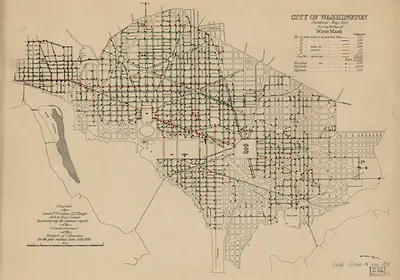
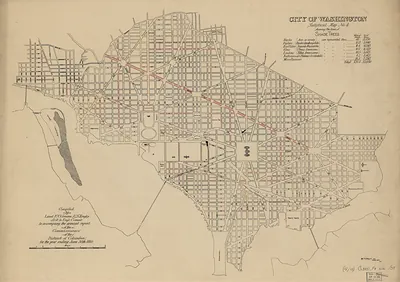
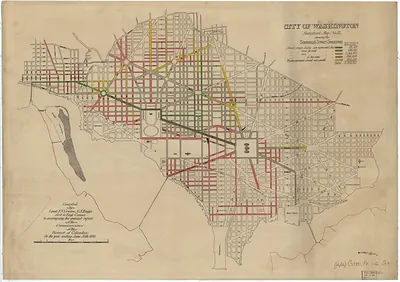
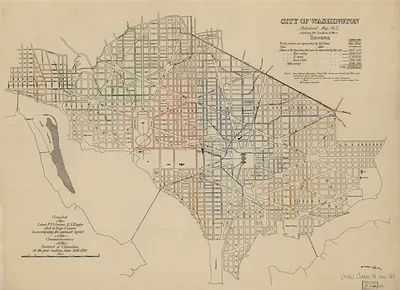
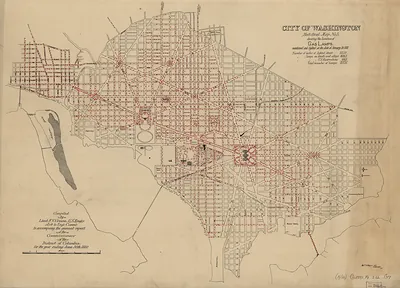
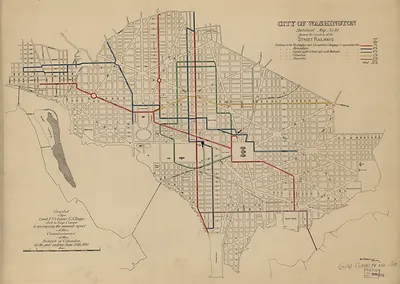
City of Washington Statistical Map showing telegraph lines – Antique Wall Map

(Each image is professionally and digitally cleaned of artifacts such as color bars and extra borders prior to printing.)
Description
This rare antique map captures City of Washington Statistical Map showing telegraph lines in remarkable detail. It is part of the Snapshots of the Past archive, gathered over 25 years of research.
Choose the framed print, ready to hang the day it arrives, or the unframed print for a frame of your own. A fine choice for anyone who loves history, and a gift that gets noticed. Free shipping in the lower 48 states. Snapshots of the Past has been bringing history to the wall since 2001, for tens of thousands of customers worldwide.
City of Washington Statistical Map showing telegraph lines
Order a print
Thank you. Your order went through, and a receipt is on its way by email.
Secure checkout · SSL encryptedPowered by Stripe and PayPal
Free shipping in the lower 48 states. The checkout page shows the picture, size and price before you pay.
The Statistical Map of the City of Washington traces where telegraph lines ran through the capital, a detail that sets it apart from the many street plans and views that share its gallery board. Telegraph service reached Washington quickly after Samuel Morse's 1844 demonstration between the Capitol and Baltimore, and by the 1860s wires radiated across the city to government offices, newspapers and private subscribers. Mapping them in this way shows how a new communications network was laid over an unfinished capital still growing out of its original plan. Notice how the lines cluster around the federal departments and the central business streets.
| Original scan | 7,788 × 5,568 px · prints to 26 × 19 in at 300 dpi |
|---|---|
| Reference | cs000012 |
More from the Washington DC collection
Snapshots of the Past helps heritage brands, museums, historians and storytellers tell stories with history: historic prints, image licensing and historical storytelling drawn from more than 25 years of research and curation.