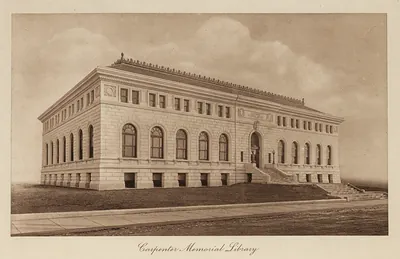
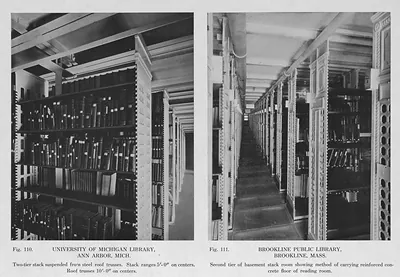
Loganian Library, 1745-'50 – Vintage Print

(Each image is professionally and digitally cleaned of artifacts such as color bars and extra borders prior to printing.)
Description
A window into the past: Loganian Library, 1745-'50, preserved in this historic image. Drawn from the Snapshots of the Past archive, it is an authentic piece of documented history.
The framed print arrives ready to hang; the unframed option suits custom framing. A conversation-starting piece for home, office, or as a meaningful gift. Free shipping in the lower 48 states. Snapshots of the Past has been bringing history to the wall since 2001, for tens of thousands of customers worldwide.
Loganian Library, 1745-'50
Order a print
Thank you. Your order went through, and a receipt is on its way by email.
Secure checkout · SSL encryptedPowered by Stripe and PayPal
Free shipping in the lower 48 states. The checkout page shows the picture, size and price before you pay.
The Loganian Library was named for James Logan, the Philadelphia statesman and scholar who gathered one of the largest private book collections in colonial British America. In 1745 he gave his books to the city, creating a public library that gave residents access to works in classics, mathematics, and natural philosophy. The title's date range points to the years just after that gift, when the collection was still taking shape. Logan, who had served as secretary to the Pennsylvania proprietors and was known for his own Latin translations, believed reading should be available beyond the wealthy. The library offers a useful look at how learning was shared in the colonies before the Revolution.
| Original scan | 2,373 × 1,467 px · prints to 8 × 5 in at 300 dpi |
|---|---|
| Reference | tif15553_LoganianLibrary174550 |
More from the Libraries collection
Snapshots of the Past helps heritage brands, museums, historians and storytellers tell stories with history: historic prints, image licensing and historical storytelling drawn from more than 25 years of research and curation.