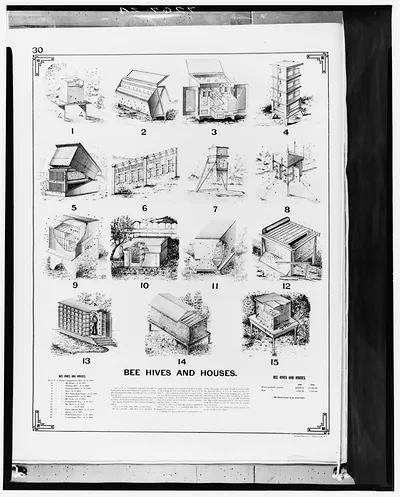
Bee keeping chart showing numbered hive types and bees – Vintage Print

(Each image is professionally and digitally cleaned of artifacts such as color bars and extra borders prior to printing.)
Description
Bee keeping chart showing numbered hive types and bees comes to life in this historic image, reproduced from the original with every detail intact. Drawn from the Snapshots of the Past archive, it is an authentic piece of documented history.
Order it framed and ready to hang, or unframed to match a frame you already love. It brings character to any room and makes a memorable gift. Free shipping in the lower 48 states. Snapshots of the Past, founded in 2001, has served tens of thousands of customers worldwide.
Bee keeping chart showing numbered hive types and bees
Order a print
Thank you. Your order went through, and a receipt is on its way by email.
Secure checkout · SSL encryptedPowered by Stripe and PayPal
Free shipping in the lower 48 states. The checkout page shows the picture, size and price before you pay.
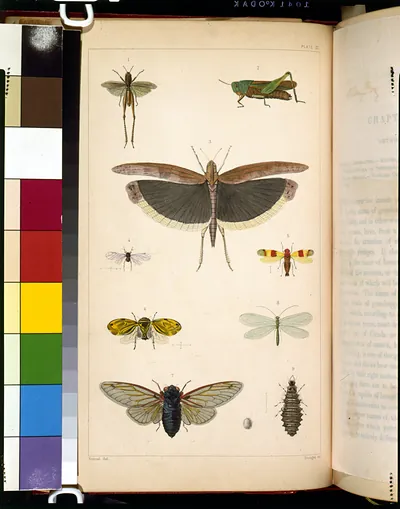
A numbered chart of hive types and bees, as the title describes it, sets out the forms beekeepers used to house colonies. Charts like this were common in agricultural teaching and trade literature from the late 1800s into the early 1900s, when movable-frame hives were spreading and keepers needed clear ways to compare designs. Each number would have pointed to a particular hive form, and the bees drawn alongside often showed the insects' parts or the workers and queen, giving a farmer or student a quick visual reference. Worth noticing is how such charts blend natural history with practical instruction, reflecting a period when beekeeping was being reshaped by new equipment.
| Original scan | 3,994 × 5,000 px · prints to 13 × 17 in at 300 dpi |
|---|---|
| Reference | 8e04633u Page from The Growth of |
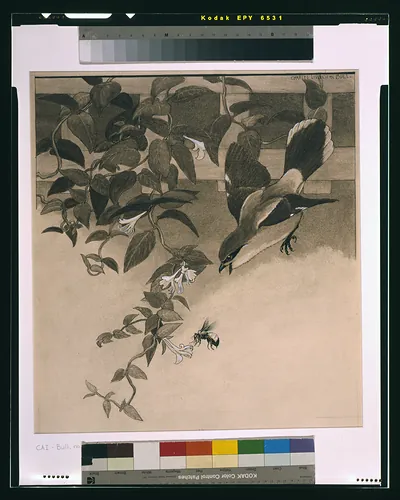
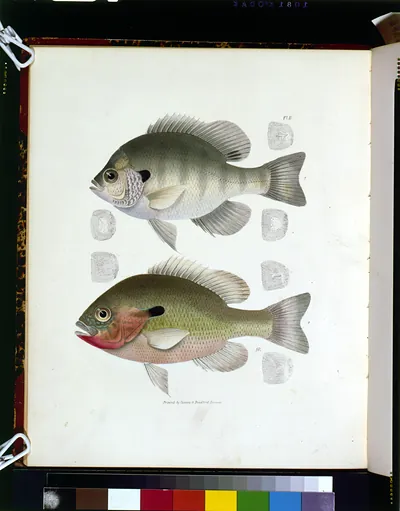
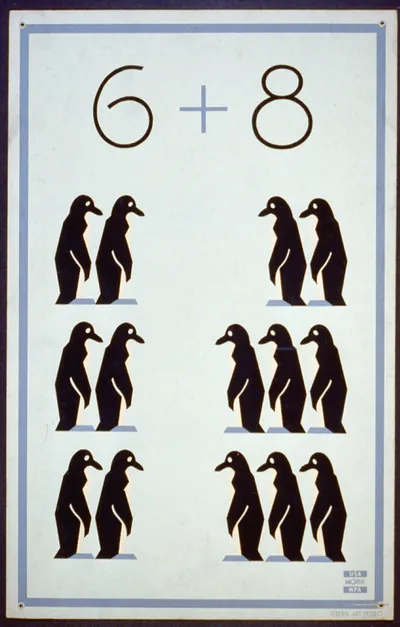
More from the Animals collection
Snapshots of the Past helps heritage brands, museums, historians and storytellers tell stories with history: historic prints, image licensing and historical storytelling drawn from more than 25 years of research and curation.