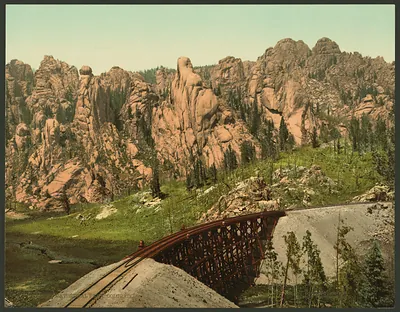
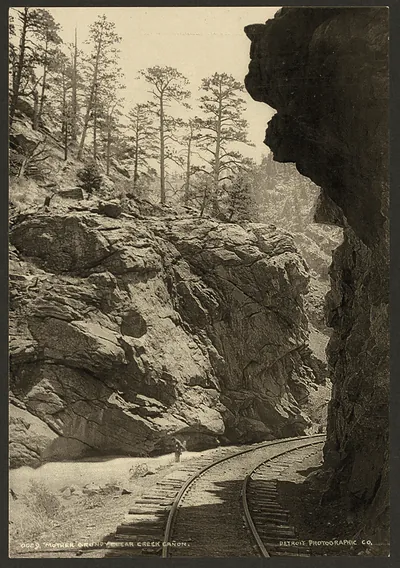
Railway curving through a rocky canyon beside a green river – Antique Wall Art

(Each image is professionally and digitally cleaned of artifacts such as color bars and extra borders prior to printing.)
Description
Few images capture their era like this historic image of Railway curving through a rocky canyon beside a green river. It is part of the Snapshots of the Past archive, gathered over 25 years of research.
Framed, it is ready for the wall; unframed, it is ready for the frame you choose. A conversation-starting piece for home, office, or as a meaningful gift. Free shipping in the lower 48 states. Snapshots of the Past has been bringing history to the wall since 2001, for tens of thousands of customers worldwide.
Railway curving through a rocky canyon beside a green river
Order a print
Thank you. Your order went through, and a receipt is on its way by email.
Secure checkout · SSL encryptedPowered by Stripe and PayPal
Free shipping in the lower 48 states. The checkout page shows the picture, size and price before you pay.
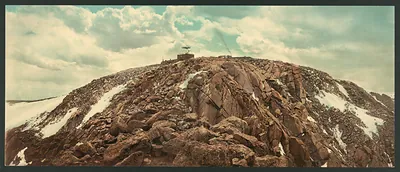
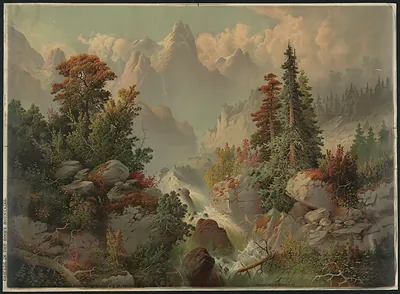
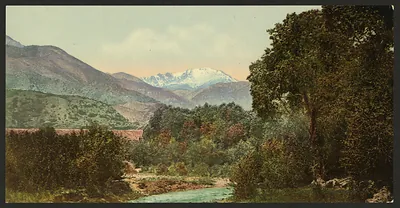
Where the track bends around sheer rock walls above a green river, the scene reads less like a city view than a record of how the railroad pushed into Colorado's mountain country. Railway lines in the state were laid through canyons like this one in the late 1800s, when mining towns and ranching communities depended on rail to move ore, cattle and supplies over ground that had once seemed impassable. Engineers had to cut ledges into the stone, build trestles across side gorges and balance grades against steep drops, so a single curve often represented weeks of blasting and hand labor. Pictures like this one are worth a closer look for the sense of scale they preserve between the iron, the rock and the water.
| Original scan | 5,621 × 7,229 px · prints to 19 × 24 in at 300 dpi |
|---|---|
| Reference | 17994u mother grundy |
More from the Colorado collection
Snapshots of the Past helps heritage brands, museums, historians and storytellers tell stories with history: historic prints, image licensing and historical storytelling drawn from more than 25 years of research and curation.