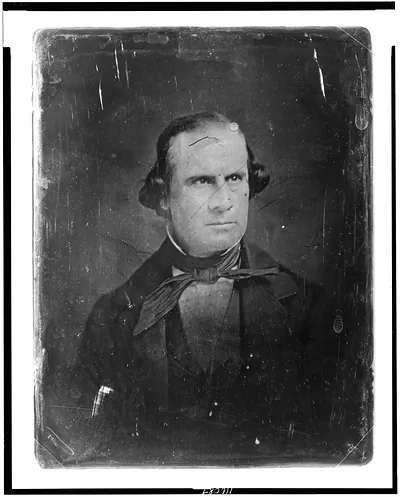
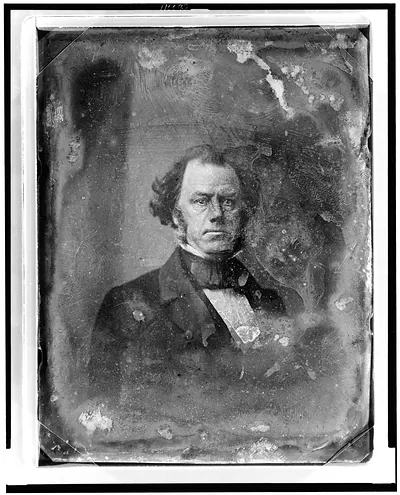
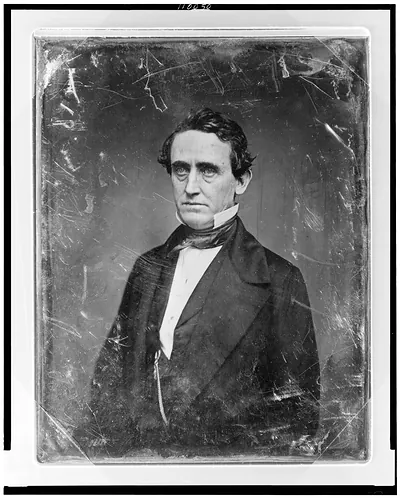
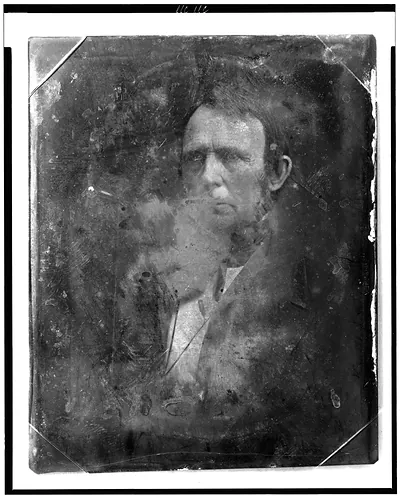
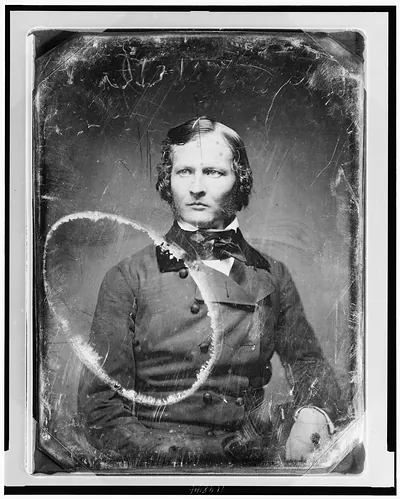
Daguerreotype portrait of an unidentified man in dark coat – Historic Photo Reproduction

(Each image is professionally and digitally cleaned of artifacts such as color bars and extra borders prior to printing.)
Description
A window into the past: Daguerreotype portrait of an unidentified man in dark coat, preserved in this historic photograph. It comes from the Snapshots of the Past collection, curated over 25 years for its historical value.
Choose the framed print, ready to hang the day it arrives, or the unframed print for a frame of your own. A fine choice for anyone who loves history, and a gift that gets noticed. Free shipping in the lower 48 states. Since 2001, Snapshots of the Past has shipped historic prints to tens of thousands of customers around the world.
Daguerreotype portrait of an unidentified man in dark coat
Order a print
Thank you. Your order went through, and a receipt is on its way by email.
Secure checkout · SSL encryptedPowered by Stripe and PayPal
Free shipping in the lower 48 states. The checkout page shows the picture, size and price before you pay.
Few details survive about the sitter, so this daguerreotype is valued less for who he was than for what it shows of the medium in its first decade. Made in 1844, it is a direct positive on a silvered copper plate, a process introduced in France in 1839 that produced a single, unrepeatable image. Portraits of this period required subjects to hold still for several minutes in strong light, which is why such sitters often look fixed and serious. The dark coat and the sharp tonal range typical of the plate show how early photographers worked to capture detail in dark clothing and fine features.
| Created / published | 1844 |
|---|---|
| Original scan | 3,181 × 4,096 px · prints to 11 × 14 in at 300 dpi |
| Reference | 385_Unidentified_man_about_1844 |
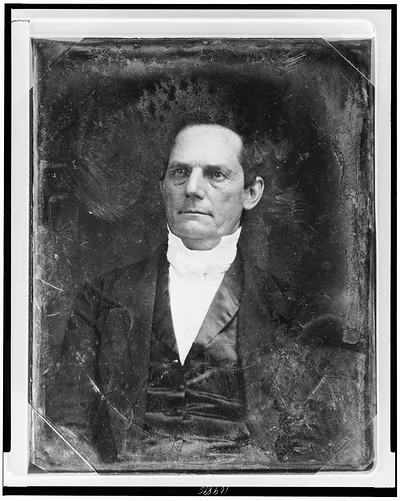
More from the Daguerreotypes & Early Photography collection
Snapshots of the Past helps heritage brands, museums, historians and storytellers tell stories with history: historic prints, image licensing and historical storytelling drawn from more than 25 years of research and curation.