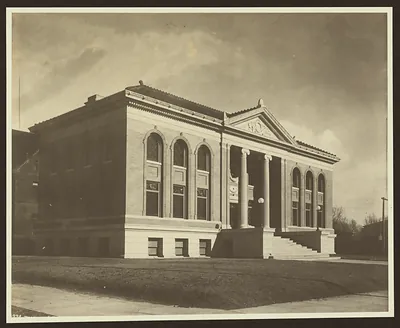
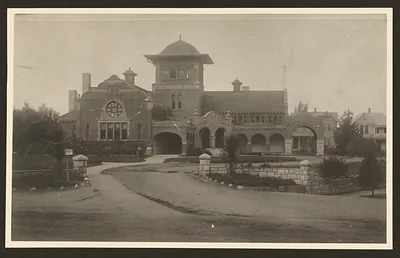
Brick Tudor-style branch building with gabled entrance and lawn – Vintage Wall Art

(Each image is professionally and digitally cleaned of artifacts such as color bars and extra borders prior to printing.)
Description
Few images capture their era like this historic image of Brick Tudor-style branch building with gabled entrance and lawn. It comes from the Snapshots of the Past collection, curated over 25 years for its historical value.
The framed print arrives ready to hang; the unframed option suits custom framing. It makes a striking addition to a living room, study or office, and a thoughtful gift. Free shipping in the lower 48 states. Since 2001, Snapshots of the Past has shipped historic prints to tens of thousands of customers around the world.
Brick Tudor-style branch building with gabled entrance and lawn
Order a print
Thank you. Your order went through, and a receipt is on its way by email.
Secure checkout · SSL encryptedPowered by Stripe and PayPal
Free shipping in the lower 48 states. The checkout page shows the picture, size and price before you pay.
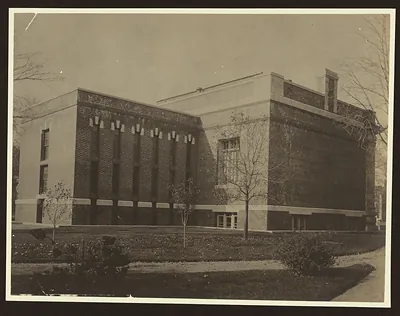
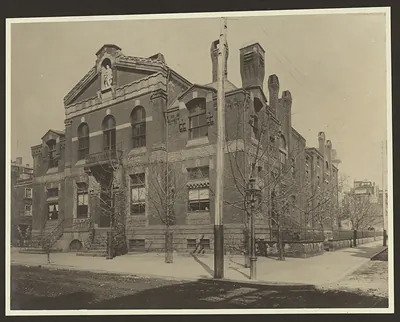
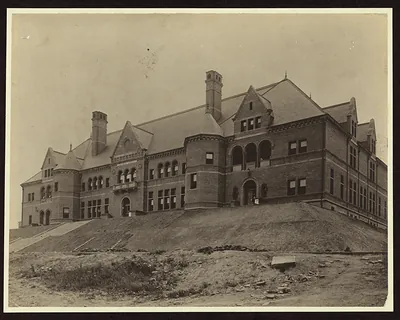
A brick Tudor-style branch building, set back behind a broad lawn, with a prominent gabled entrance, reads as a deliberate piece of civic architecture. Branch libraries of this kind spread across American towns and city neighborhoods in the early twentieth century, when public libraries were often funded by philanthropic gifts and sited to bring books within walking distance of ordinary households. The Tudor Revival style, with its steep roofs, half-timbered or patterned masonry, and pointed gables, was chosen to lend an air of permanence and English collegiate dignity to public buildings. Look at how the gable draws the eye to the doorway, a common way such buildings signaled that the entrance was the heart of the civic offering.
| Original scan | 7,163 × 5,190 px · prints to 24 × 17 in at 300 dpi |
|---|---|
| Reference | tif15339_SarahPlattDeckerBranchLibraryD |
More from the Libraries collection
Snapshots of the Past helps heritage brands, museums, historians and storytellers tell stories with history: historic prints, image licensing and historical storytelling drawn from more than 25 years of research and curation.