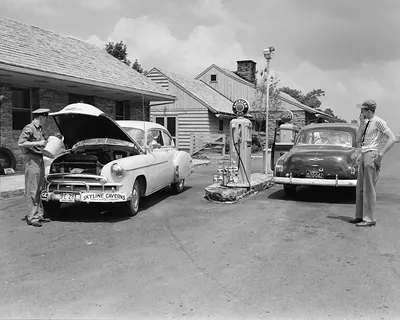
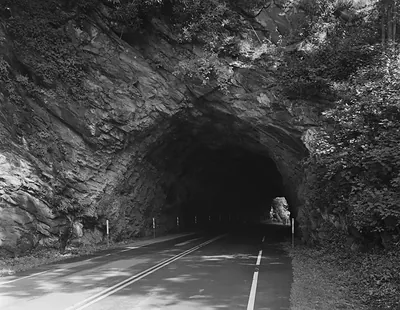
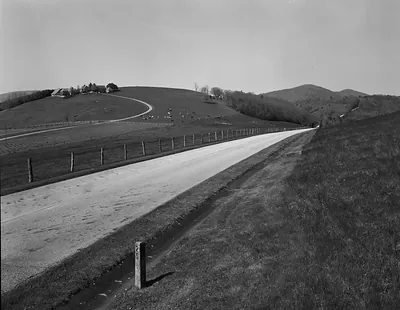
Concrete mountain road with roadside station and parked car – Historic Reproduction

(Each image is professionally and digitally cleaned of artifacts such as color bars and extra borders prior to printing.)
Description
This rare historic image captures Concrete mountain road with roadside station and parked car in remarkable detail. It is part of the Snapshots of the Past archive, gathered over 25 years of research.
Choose the framed print, ready to hang the day it arrives, or the unframed print for a frame of your own. It makes a striking addition to a living room, study or office, and a thoughtful gift. Free shipping in the lower 48 states. Since 2001, Snapshots of the Past has shipped historic prints to tens of thousands of customers around the world.
Concrete mountain road with roadside station and parked car
Order a print
Thank you. Your order went through, and a receipt is on its way by email.
Secure checkout · SSL encryptedPowered by Stripe and PayPal
Free shipping in the lower 48 states. The checkout page shows the picture, size and price before you pay.
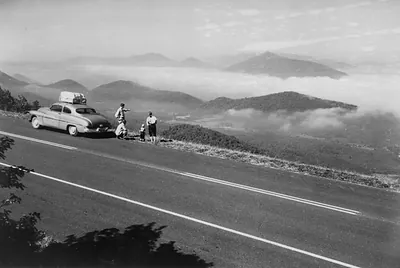
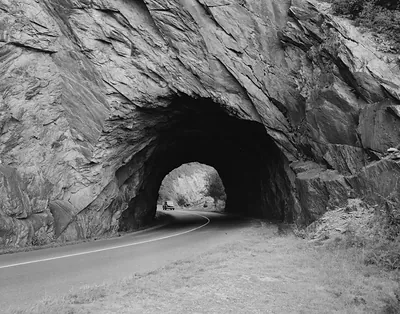
A concrete mountain road curves past a roadside station with a parked car, a scene that points to the Blue Ridge Parkway's early years. The parkway was planned in the 1930s as a scenic route along the ridges of the Appalachians, and its builders used reinforced concrete for many roadway sections and stone-faced structures to suit the rugged terrain. Pictures like this one show how the road drew travelers into the mountains, with service stations and turnouts rising beside it. Look at the car and the pavement for clues to the period, since the design of both reflects the automobile culture the parkway was built to serve.
| Original scan | 3,916 × 2,766 px · prints to 13 × 9 in at 300 dpi |
|---|---|
| Reference | 345936pu |
More from the Blue Ridge Parkway collection
Snapshots of the Past helps heritage brands, museums, historians and storytellers tell stories with history: historic prints, image licensing and historical storytelling drawn from more than 25 years of research and curation.