Dixon's stove polish – Vintage Print

(Originally scanned by the Library of Congress. Each image is professionally and digitally cleaned of artifacts such as color bars and extra borders prior to printing.)
Description
A window into the past: Dixon's stove polish, preserved in this historic print. Sourced directly from the Library of Congress, it represents an authentic piece of documented history.
Framed, it is ready for the wall; unframed, it is ready for the frame you choose. It brings character to any room and makes a memorable gift. Free shipping in the lower 48 states. Snapshots of the Past has been bringing history to the wall since 2001, for tens of thousands of customers worldwide.
Dixon's stove polish
Order a print
Thank you. Your order went through, and a receipt is on its way by email.
Secure checkout · SSL encryptedPowered by Stripe and PayPal
Free shipping in the lower 48 states. The checkout page shows the picture, size and price before you pay.
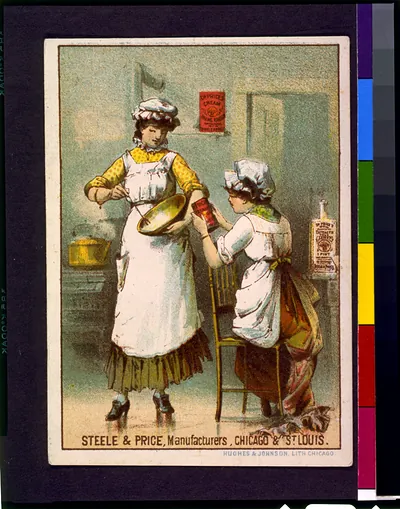
Dixon's stove polish was one of the best-known household blacking products of the mid-19th century, and this c1860 print advertises it directly by name. The polish was made from graphite, also called blacklead, mixed into a paste that gave cast-iron cookstoves a dark, glossy finish. The maker, the Joseph Dixon Crucible Company of Jersey City, New Jersey, was better known for pencils, which explains its use of graphite. The library's record links the print to a shelflist card naming Bufford, possibly the Boston lithographic firm of that era, but that connection is unverified and should be treated as provisional.
| Created / published | c1860 November 23. |
|---|---|
| Medium | 1 print. |
| Notes | This record contains unverified data from PGA shelflist card. Associated name on shelflist card: Bufford. |
| Source | Library of Congress, Prints and Photographs Division |
| Original scan | 1,217 × 1,536 px · prints to 4 × 5 in at 300 dpi |
| Reference | AMZ-SOTP-HPA-176642 |
More from the Home & Household collection
Snapshots of the Past helps heritage brands, museums, historians and storytellers tell stories with history: historic prints, image licensing and historical storytelling drawn from more than 25 years of research and curation.